Search



 Back to Inspirations
Lars-Eric Lindblad, who led the first tourist expedition to Antarctica in 1966, once said, “You can’t protect what you don’t know.” He believed that if more people could experience the continent, then you could educate them about the ecological sensitivity of Antarctica and encourage a greater understanding of the crucial role it plays in the world.
Today, any visitors to the continent will get a strong sense of the incredible conservation work that is going on and are sure to leave with a renewed appreciation of the extremely sensitive ecosystem.
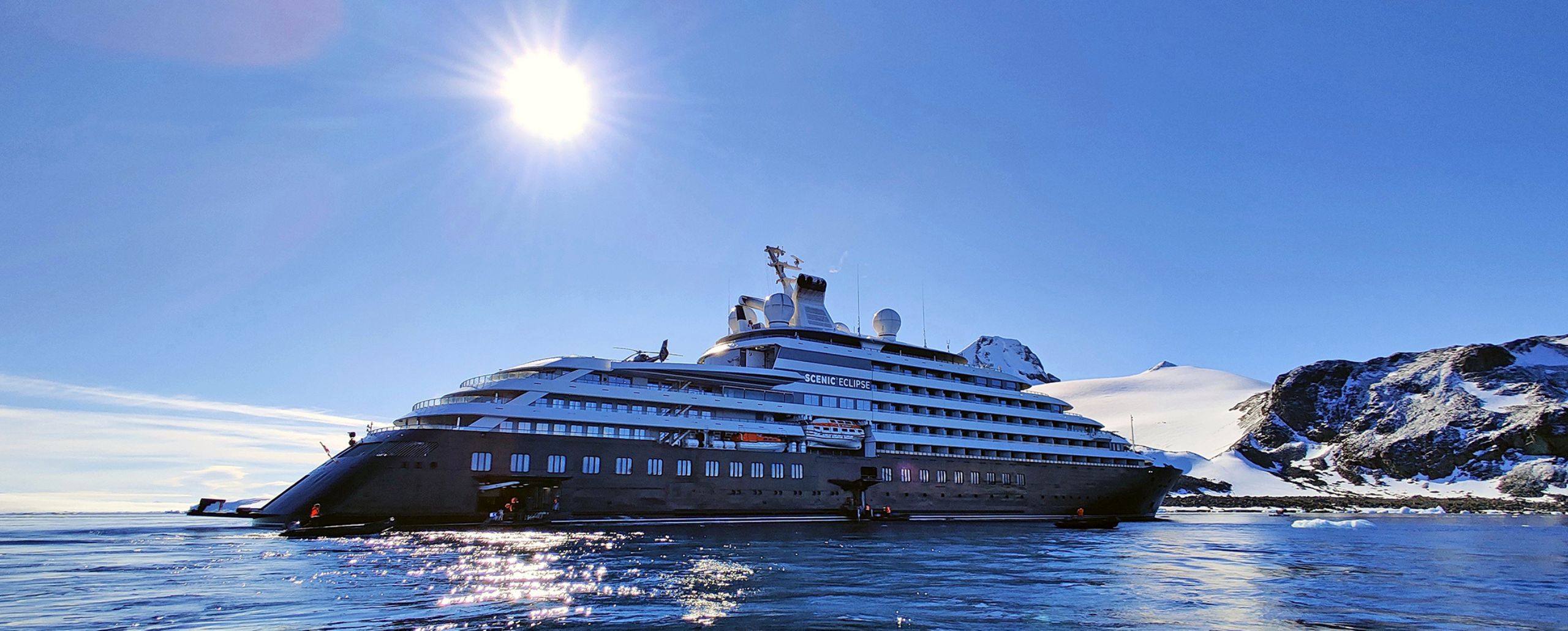
Below are just a few of the essential programmes that are doing fantastic work in the region by travelling on vessels we work with. cazenove+loyd’s Sarah Griffiths was lucky enough to experience some of these projects first-hand on her journey to Antarctica and has returned with an even keener sense of the fragile ecology that must be protected.
Happywhale
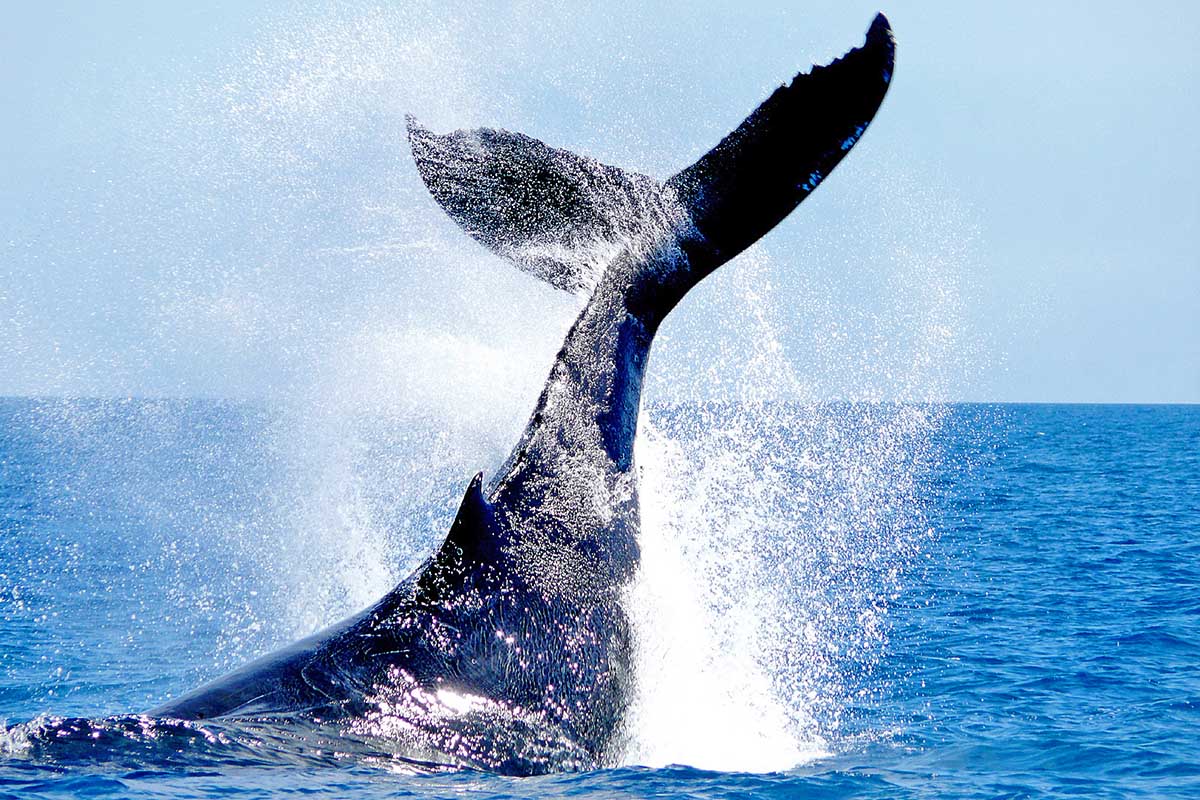
Happywhale offers the opportunity to contribute to science through photography of marine mammals, making participation fun, accessible and rewarding. Through its web platform, happywhale.com, you can see the status of images shared, find out what is known about the whales you have seen and be notified of further sightings of your whales.
In the last Antarctic season, thanks to submissions from Antarctic expedition staff and cruise participants, Happywhale documented 296 individual humpback whales. With visitors help, they would like to double this in the next season. They want to know where the whales of South Georgia are coming from and record the movements and population growth rate of Peninsula whales. You might even find a match with one of these whales already on their website. This is an evolving project whose success depends on visitors’ involvement.