ITINERARY HIGHLIGHTS
- Begin your hiking adventure in the Ngorongoro Conservation Area, staying in remote camps with breathtaking views over volcanic craters.
- Trek ancient trails with Maasai guides, immersing in local culture and traversing forests, active volcanoes, and traditional villages.
- Discover the wonder of Lake Natron, home to 12,000-year-old fossilised footprints and vibrant flocks of flamingos.
- Witness dramatic, ever changing landscapes shaped by the eruptions of Lengai volcano and the shifting plains of northern Tanzania.
- Journey through the ancient Gol Mountains, travelling along the edge of the Great Rift Valley and near the vast Serengeti ecosystem.
- Conclude your adventure in absolute comfort at a luxurious safari camp, where relaxation and unforgettable wildlife encounters await.
Our tailor-made journeys include
- A dedicated Destination Expert who will curate your itinerary from scratch, tailoring it to your preferences + interests
- Private + extraordinary under-the-radar experiences
- Access to the very best guides + experts to bring the destination to life
- Private international airport transfers in destination
- The MyCazLoyd app to view your itinerary offline anywhere, anytime
- 24/7 support whilst travelling
- ATOL protection to give you total peace of mind
ITINERARY IN DETAIL

Empakaai Crater lies within the Ngorongoro Conservation Area and is one of its most scenic, lesser-known volcanic features. Around 6 km wide and over 300 metres deep, the crater contains a soda lake that covers much of the floor, often visited by flamingos and other birdlife. The rim offers panoramic views, including distant glimpses of Ol Doinyo Lengai and even Mount Kilimanjaro on clear days. Hikes into the crater are guided and typically take 30–45 minutes down through montane forest. Empakaai’s quiet, unspoilt atmosphere makes it a striking contrast to the more visited Ngorongoro Crater to the southwest.

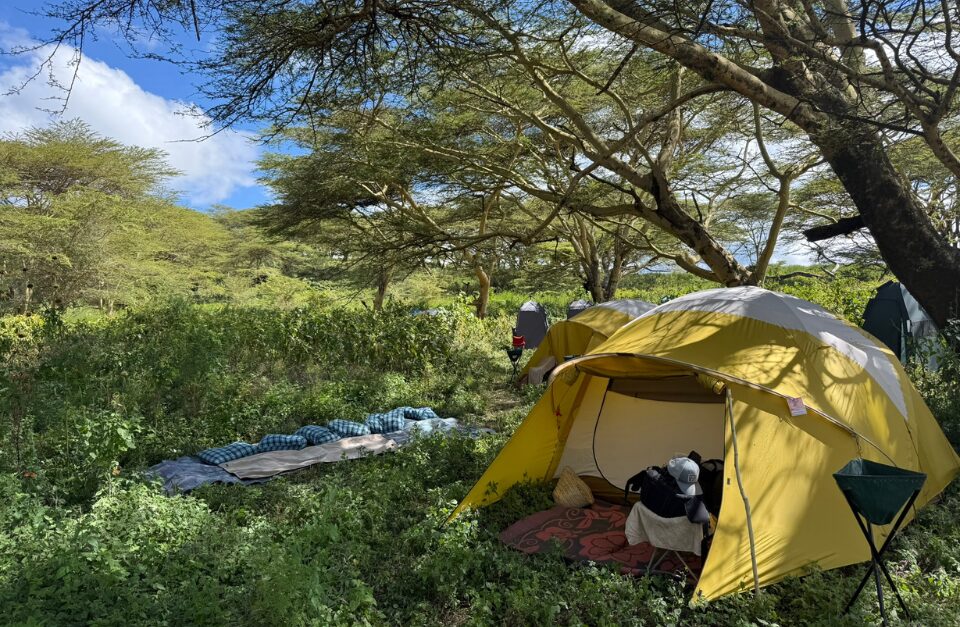
The route follows ancient Maasai trails through highland forests, remote volcanic ridges and wide open grasslands, with sweeping views over the Rift Valley. Trekkers pass traditional Maasai settlements, encounter grazing wildlife, and may glimpse Ol Doinyo Lengai rising ahead. Nights are spent in lightweight fly camps, with evenings around the fire under star-filled skies. The journey ends at a camp under fever trees, tucked against a kopje with panoramic views — a fitting end to a hike that combines scenery, solitude and rich cultural encounters.

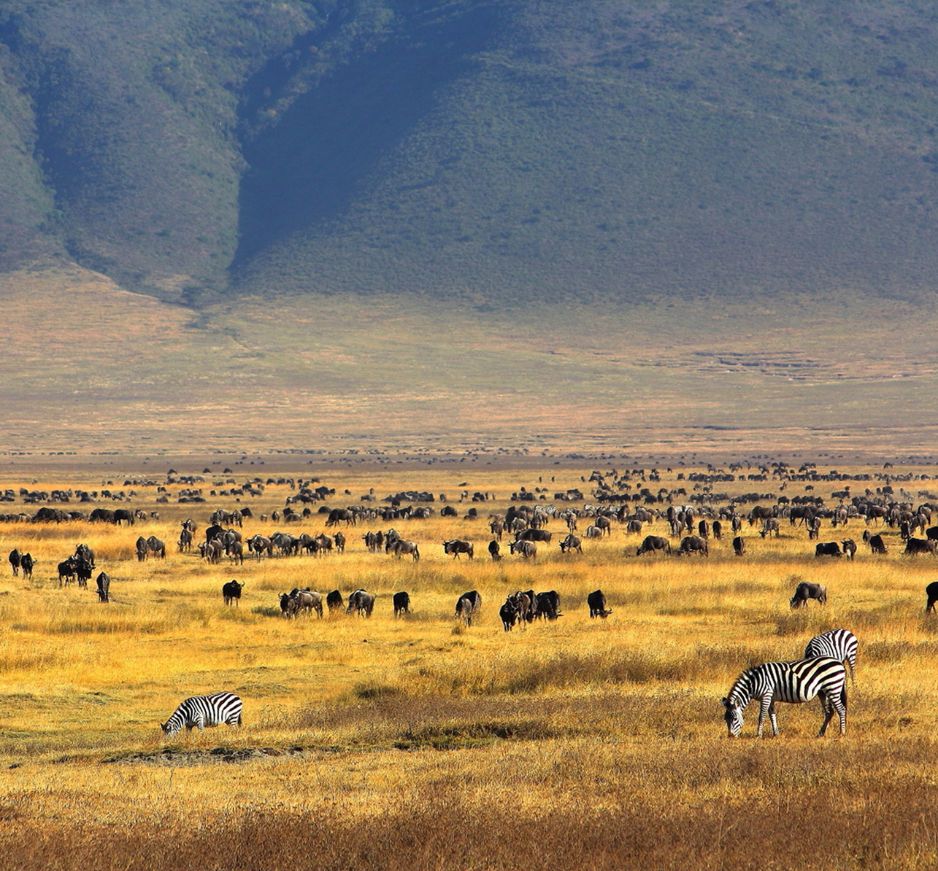
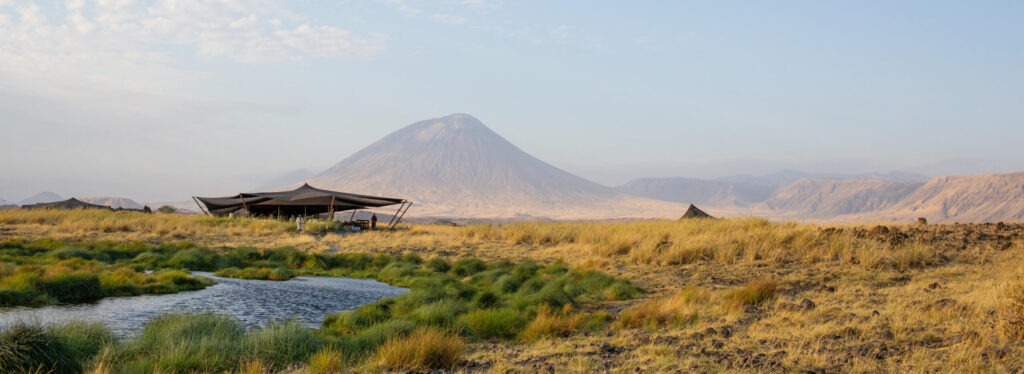
A dramatic descent from the highlands into the Rift Valley floor. The trail traverses rugged escarpments, dry riverbeds, and open savannah, with constant views of the striking cone of Ol Doinyo Lengai dominating the horizon. As you descend, the air becomes hotter and drier, and the landscape shifts from grassy plateaus to stark, volcanic plains. Along the way, you may pass herds of zebra and giraffe, and encounter remote Maasai bomas. The journey ends at the shores of Lake Natron, where flamingos gather on the mineral-rich flats — a surreal, otherworldly reward after days of wilderness trekking.

A day at Lake Natron Camp begins with sunrise over the Rift Valley and breakfast overlooking the surreal, mineral-rich lake. Morning options include a guided walk to waterfalls in the Engare Sero gorge or a visit to a local Maasai community. After a rest during the midday heat, guests can explore the lake shore, spotting flamingos and the famous 120,000-year-old hominin footprints—some of the oldest ever found. Sunset casts dramatic colours across the landscape, followed by sundowners and dinner under the stars. Remote and elemental, the camp offers a rare connection to both nature and deep human history.

The hike to the waterfalls near Lake Natron is a refreshing contrast to the surrounding arid plains. Led by a local guide, the trail follows the Engare Sero River into a narrow gorge, where towering cliffs offer welcome shade. You’ll wade through shallow streams, scramble over smooth rocks, and pass through lush pockets of vegetation rarely seen in this dry region. At the end lies a series of cool, cascading waterfalls and natural pools—perfect for a swim.

Trekking ancient Maasai trails into the Gol Mountains offers a rare journey through one of Tanzania’s most remote and culturally rich landscapes. These footpaths, still used by local herders, wind through volcanic ridges, grassy plains, and fossil-strewn valleys. Guided by Maasai warriors, the trek passes seasonal waterholes, shifting sands, and sacred sites with sweeping views over the Rift Valley. Wildlife sightings may include zebra, giraffe, and hyena, but the real focus is the landscape’s geological drama and cultural depth. Nights are spent in lightweight fly camps under the stars, with fireside storytelling and a powerful sense of space and silence.

Olduvai Gorge, in northern Tanzania, is one of the most significant paleoanthropological sites in the world. Often called the “Cradle of Mankind,” it was here that Louis and Mary Leakey discovered early human fossils, including Homo habilis and Paranthropus boisei, along with some of the oldest known stone tools. The gorge, carved by centuries of erosion, reveals layers of volcanic ash and sediment that record nearly two million years of evolutionary history. A visit to the site includes a museum, dramatic viewpoints, and a chance to walk where some of humanity’s earliest ancestors once lived, hunted, and shaped their environment.

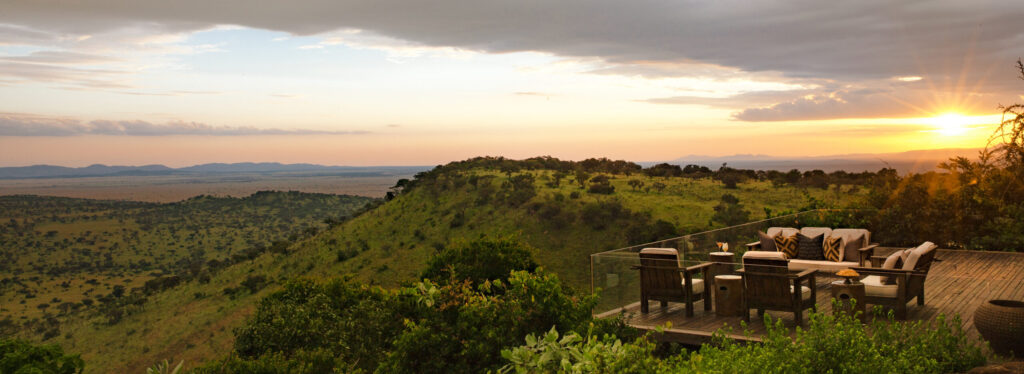
How better to relax after days of trekking than at a luxurious safari lodge overlooking the Serengeti plains? Sasakwa offers just that — an elegant retreat set high on a hill in the private Grumeti Reserve. Its colonial-style cottages come with four-poster beds, private plunge pools, and sweeping verandas facing the savannah. Days here are unhurried: morning game drives in search of the Big Five, spa treatments, tennis, or simply doing nothing at all. As the sun sets, the light turns golden and the plains come alive. It’s a place to pause, exhale, and take it all in — properly.

Arusha is the safari capital of northern Tanzania, nestled at the foot of Mount Meru and surrounded by coffee estates and fertile hills. It serves as the main gateway to iconic destinations such as the Serengeti, Ngorongoro Crater, Mount Kilimanjaro and, of course, remote treks such as this one. While most travellers pass through en route to the bush, Arusha has its own appeal: bustling markets, leafy streets, and a growing number of excellent restaurants and boutique lodges. The nearby Arusha National Park offers a gentler safari introduction with giraffe, colobus monkeys and flamingos.
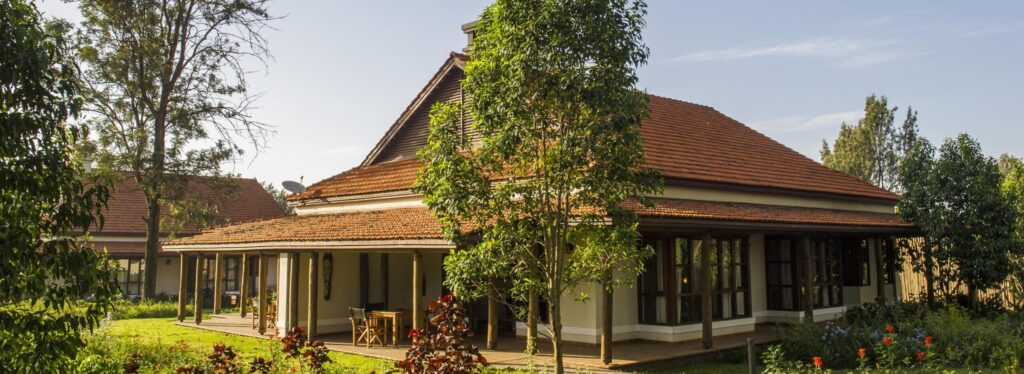
This itinerary blends a range of accommodation from the simple to the incredibly luxurious.
Testimonials

First, and most importantly, a massive, massive thanks to you for organising such a wonderful itinerary for us! We had a great time throughout. It was fantastic that clearly you knew all the places very well and it was obvious that a lot of thought went into giving us a very rounded experience. I don’t think I have any bad feedback to be honest. Too much food? I probably gained 5lb just on the back of the daily afternoon tea options. :) Zuri was dreamy and our room was amazing, with the private hot tub and hammock certainly a nice touch. Thank you very much again. We are very much hoping to travel with you or the wider cazenove+loyd team again.
An unforgettable Christmas in a truly magical kingdom, with every tiny detail impeccably thought out… Breakfasts in the bush, sundowners by the Mara, Maasai dancing, spear throwing, following the migration, spotting the wonderful birds, learning about the animals…it was heaven and it just got better and better. Each camp we went to welcomed us home and made sure our visit would be exceptional. Our guide Philip was a legend, bringing alive every aspect of our dream. Finally, of course, a huge thank you to cazenove+loyd for once again organising an epic adventure and a holiday of a lifetime for our girls!

When to go
Gallery


Let us plan your perfect trip to Tanzania
Our team of travel specialists are ready to help you plan your next adventure. Enquiry lines are open 24/7
Other itineraries you may like