

Chem Chem Lodge
 Chem Chem Private Reserve, Tanzania
Highlights
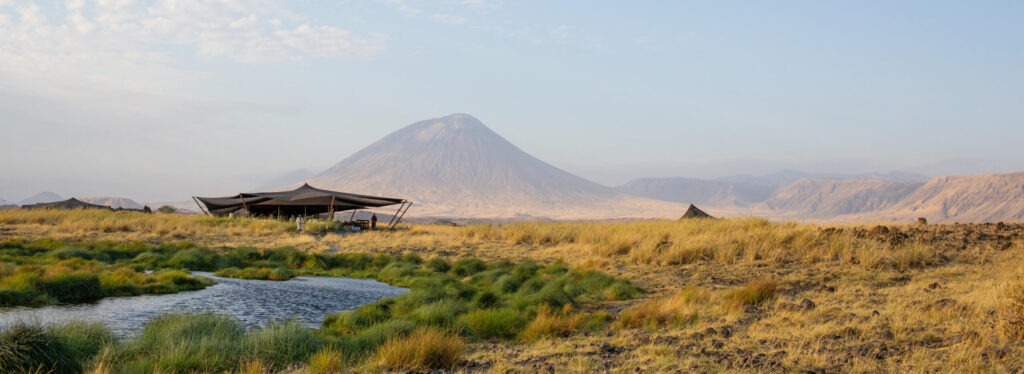
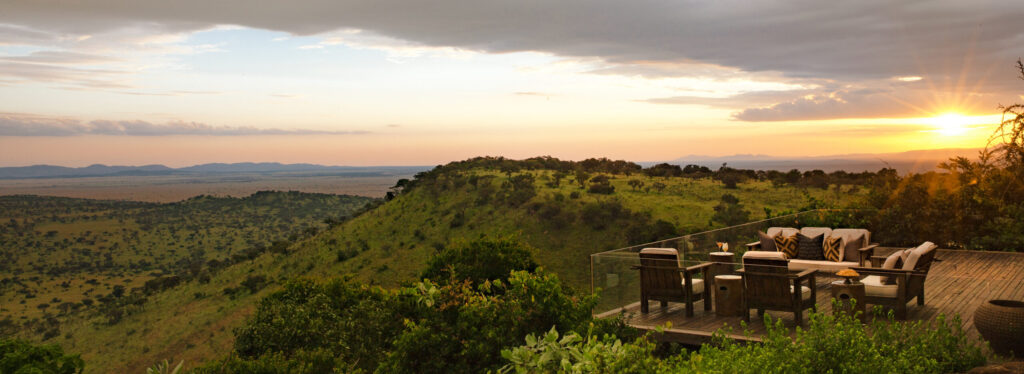
- Location: Set in a private wildlife corridor between Tarangire National Park and Lake Manyara, offering seclusion and stunning natural beauty.
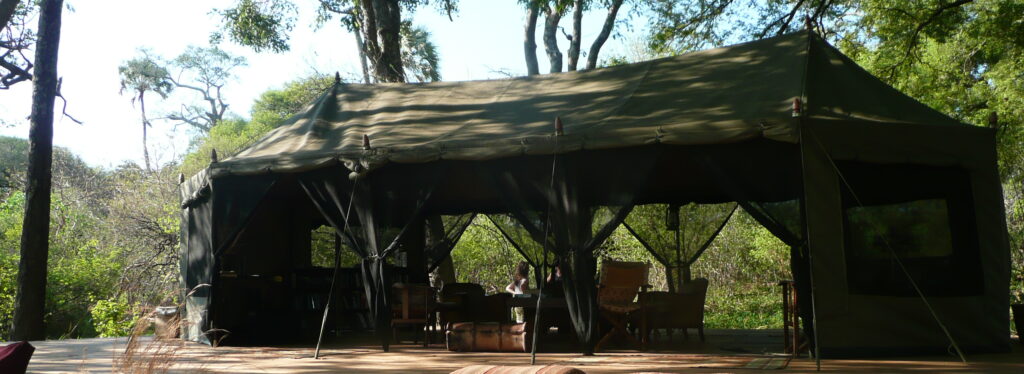
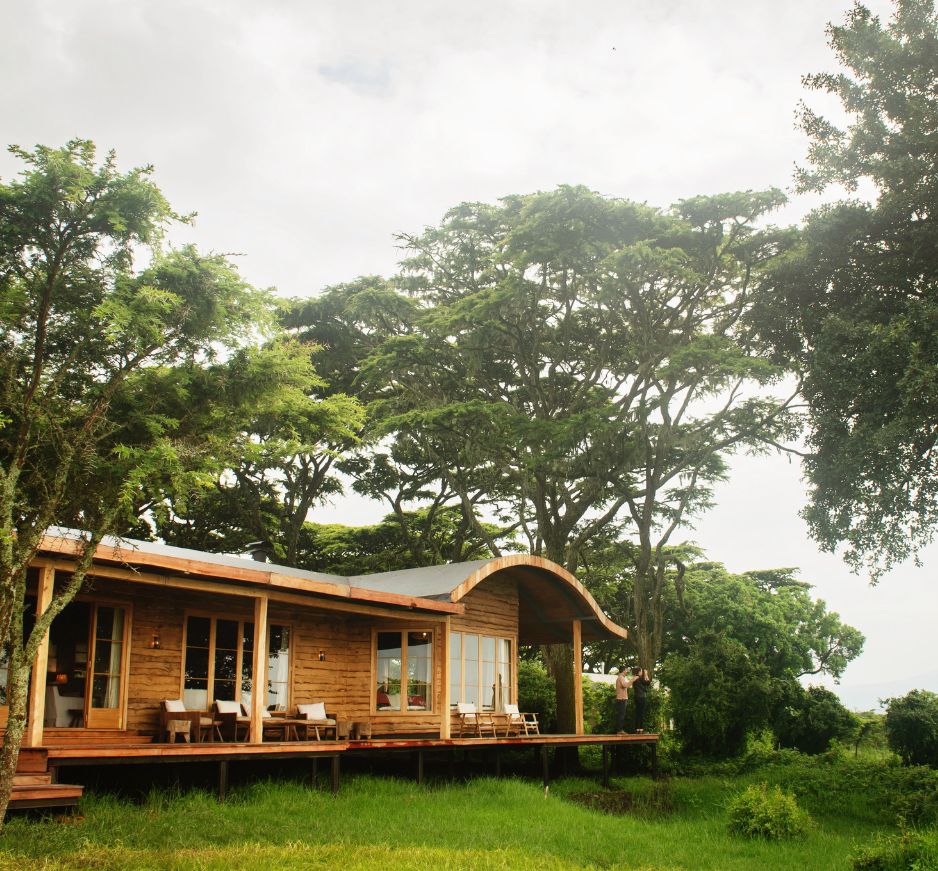
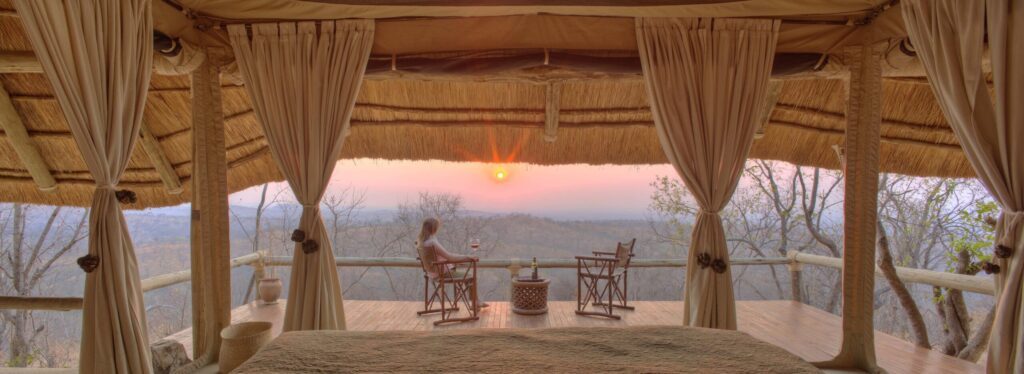
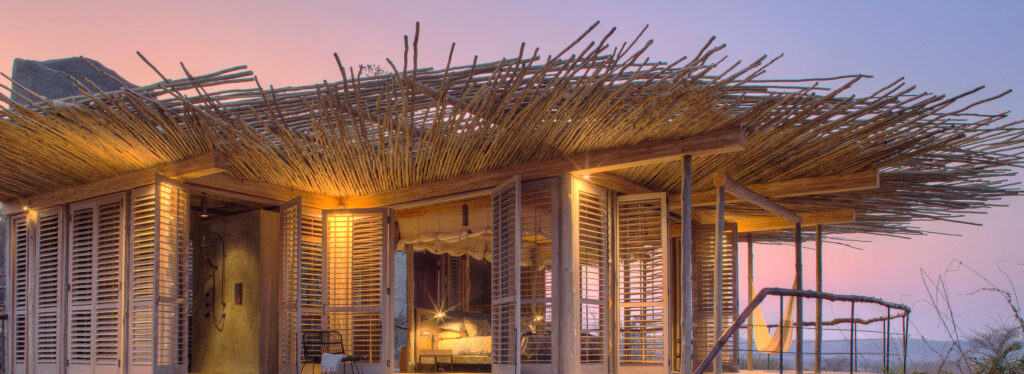
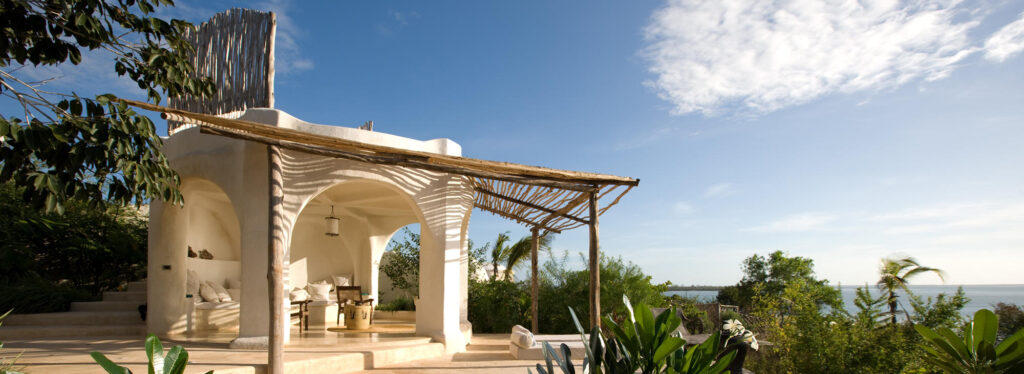
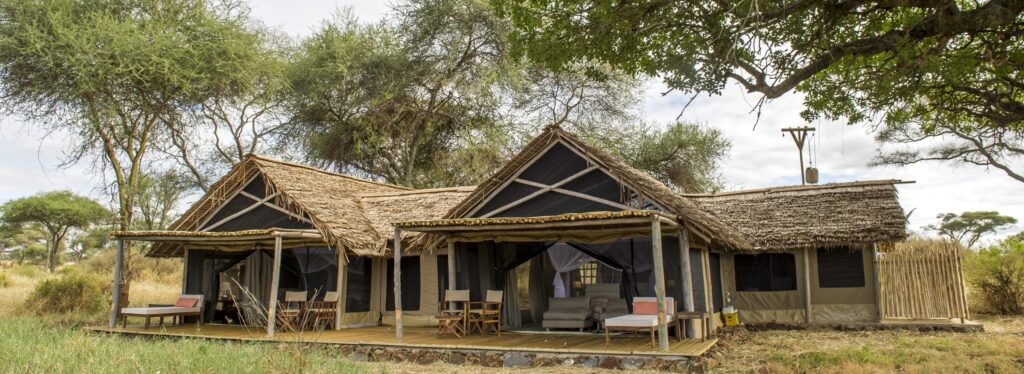
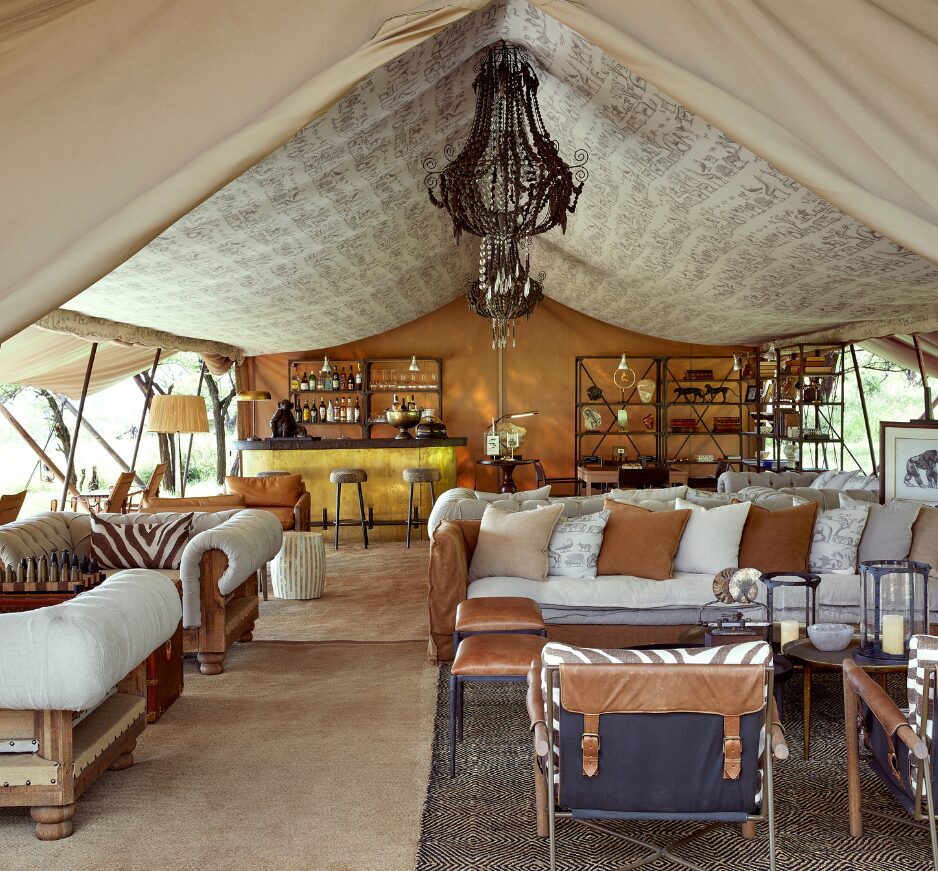
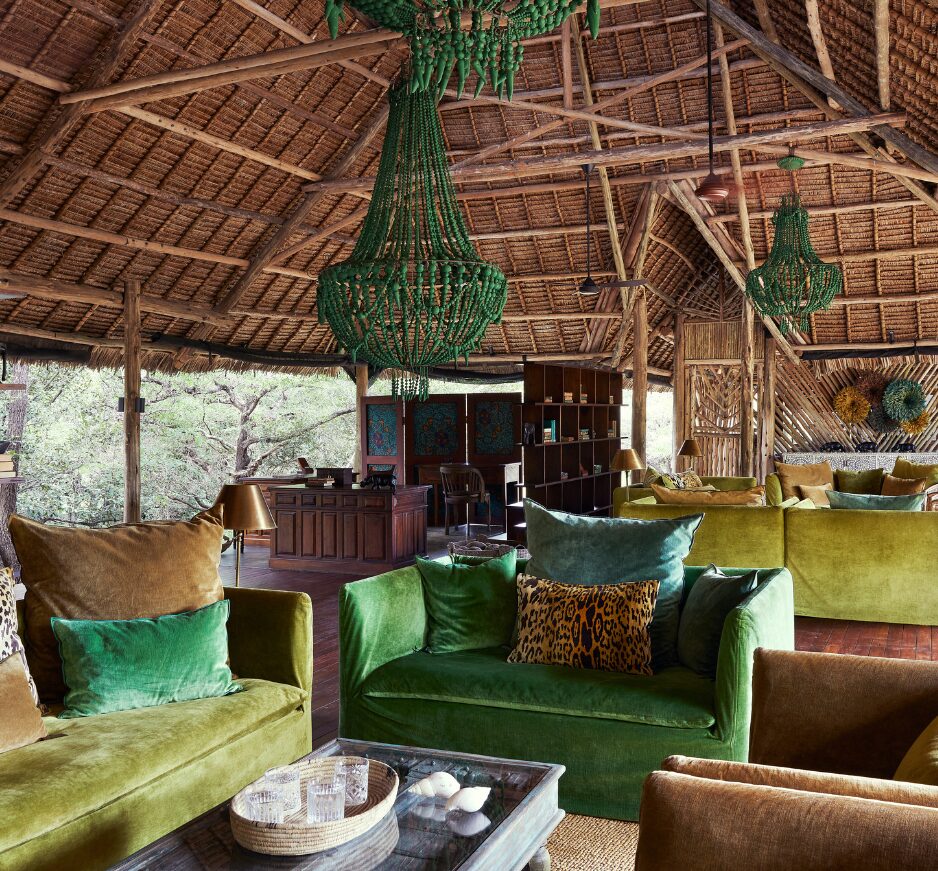
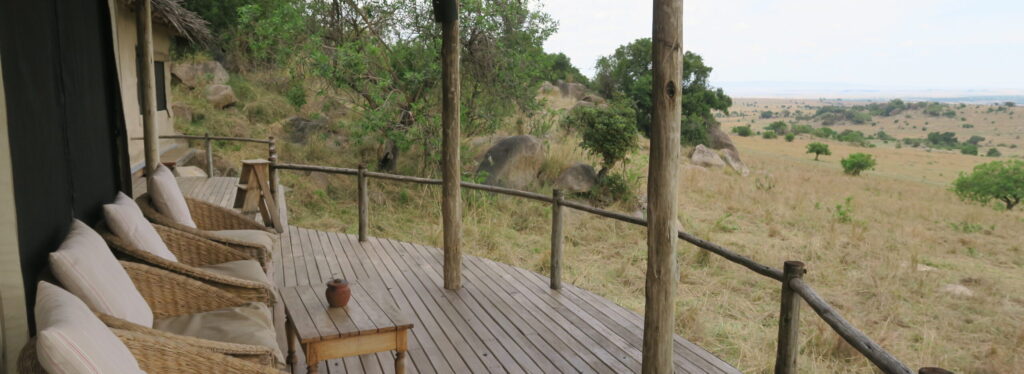
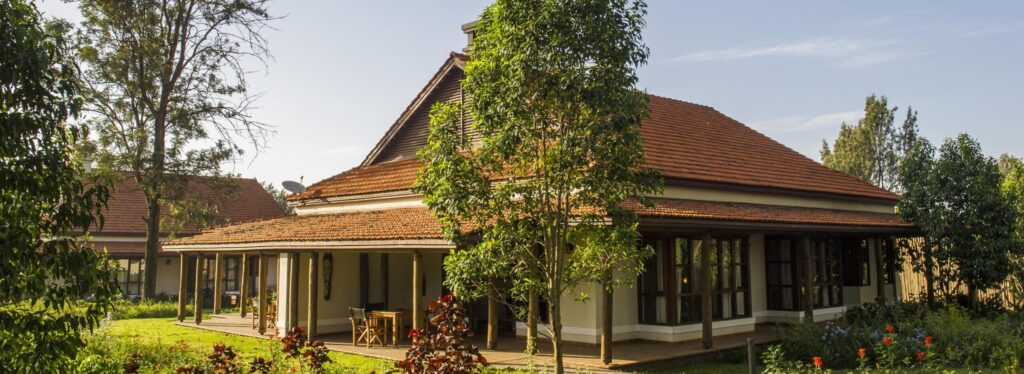
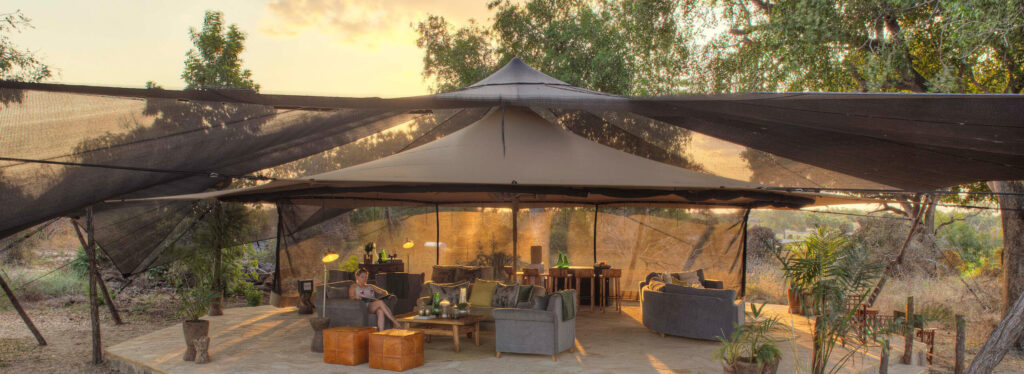
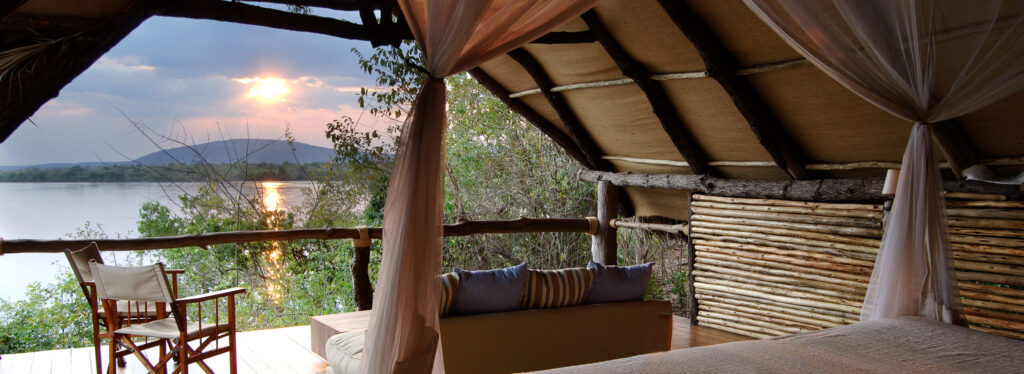
- Accommodation: Spacious tented suites with private decks, outdoor showers, deep soaking tubs, and elegant interiors designed for comfort and immersion in nature.
- Wildlife: A prime habitat for elephants, lions, leopards, and giraffes, with exclusive access to a protected migration route and exceptional birdwatching. This region is particularly famous for it’s tree climbing lions.
- Activities: Private game drives, guided walking safaris, night drives, Maasai cultural visits (and running with the Maasai for those who want a challenge!), hot air ballooning, and scenic sundowners overlooking Lake Manyara.
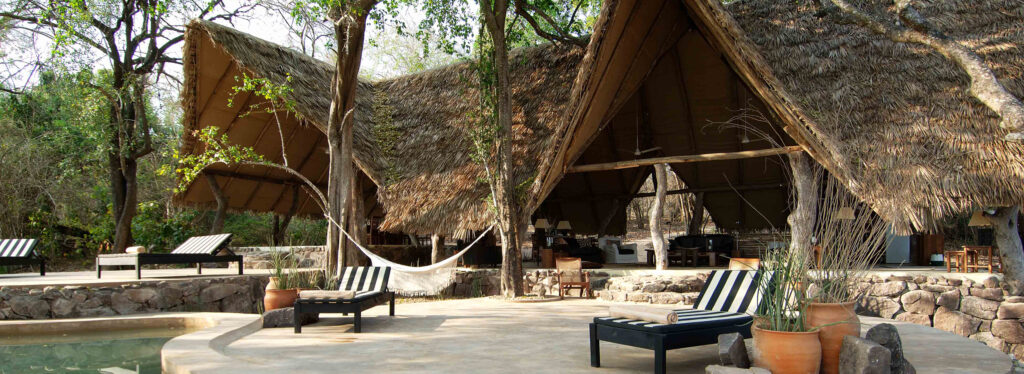
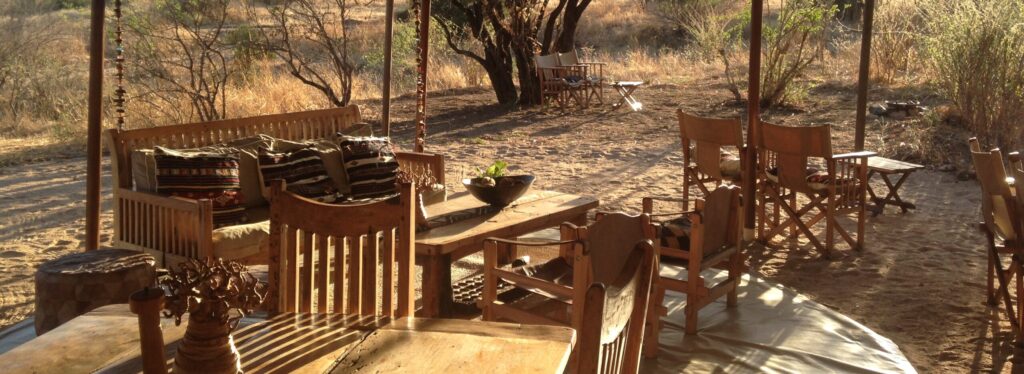
- Cuisine: Fresh, seasonal, farm-to-table dining with gourmet meals crafted from local ingredients, served in the lodge, the bush, or under the stars.
- Sustainability: Committed to conservation and community development, supporting anti-poaching efforts, habitat restoration, and education programmes for local communities.
Why we love Chem Chem

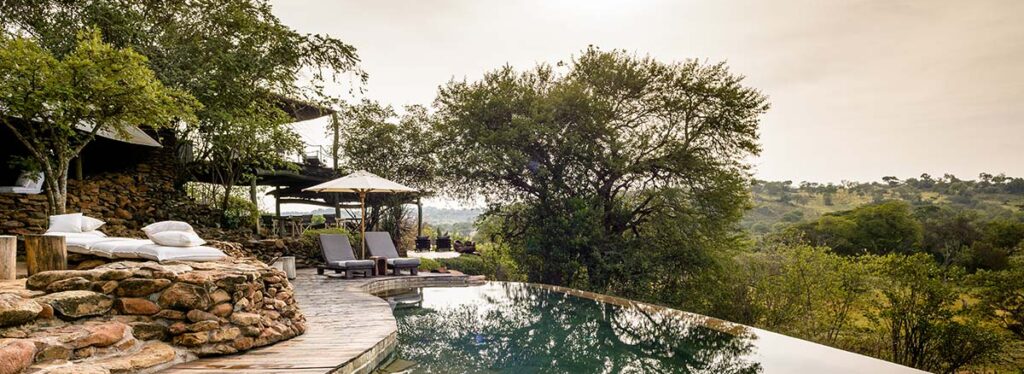
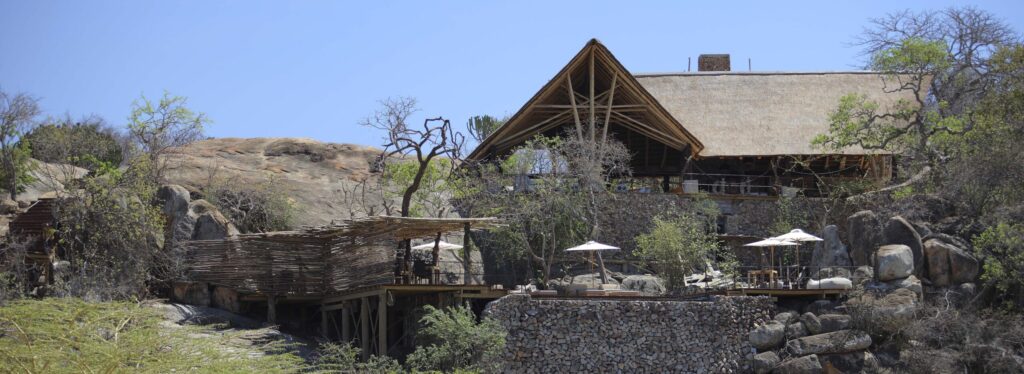
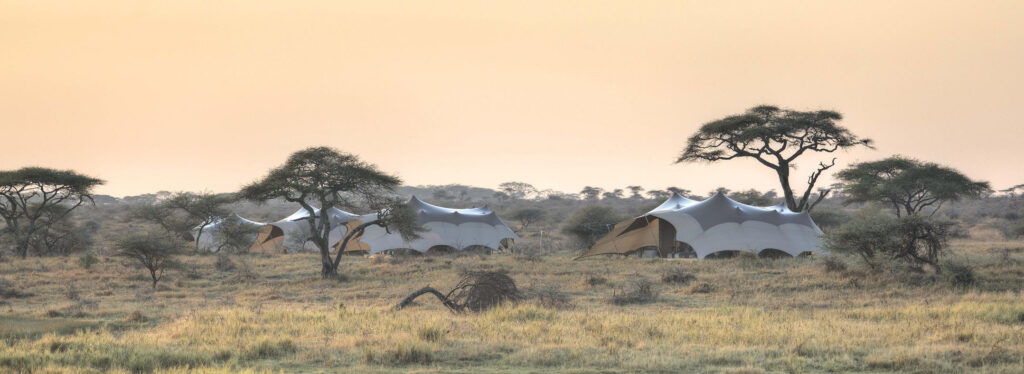
Each of the eight tents at Chem Chem has it’s own private deck with uninterrupted views of the surrounding wilderness, waking up with that view to yourself and then ending a day taking in all that you’ve seen here is so special.
Start to planning your tailor-made trip by contacting one of our specialists

Gallery
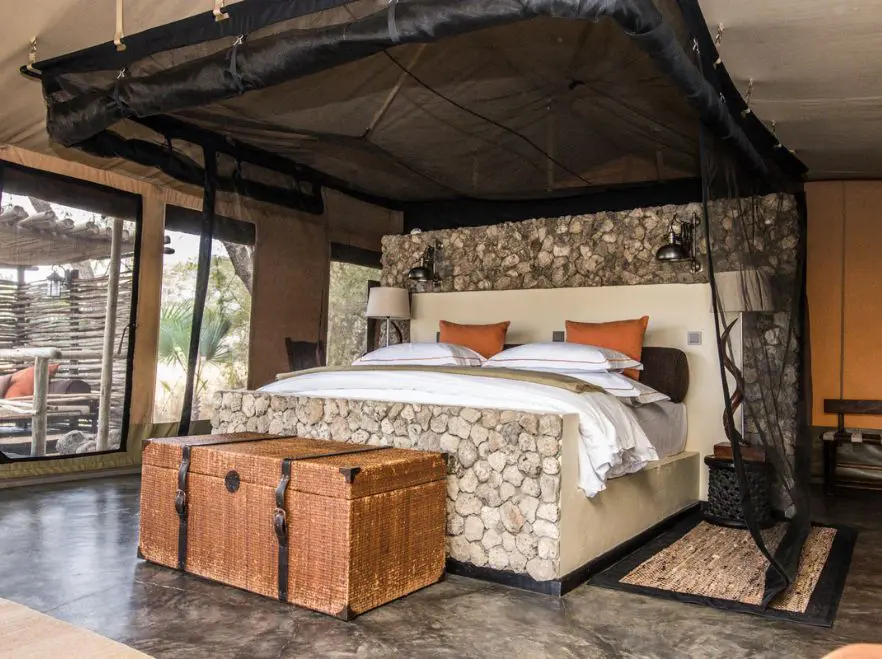
Chem Chem Lodge, Tanzania
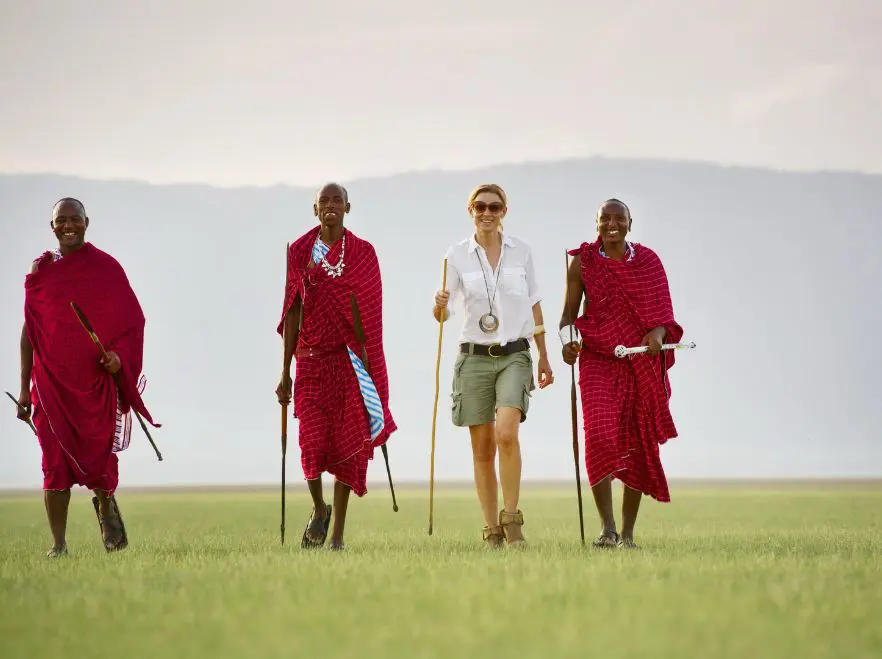
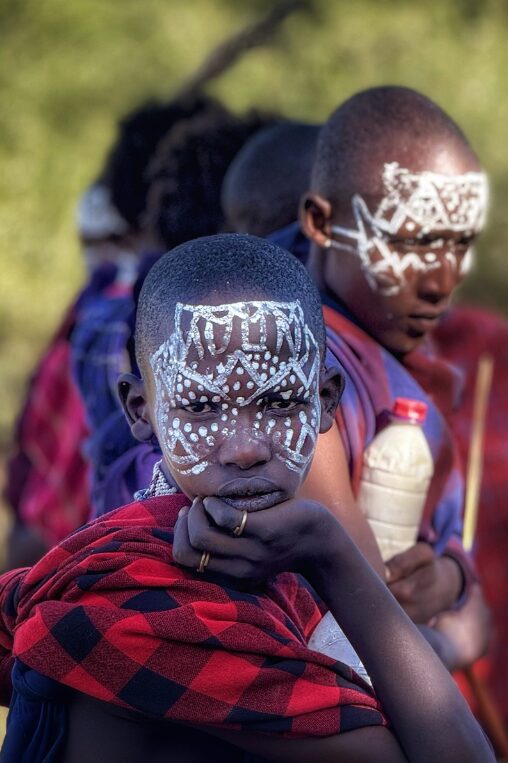
Explore with Maasai guides at Chem Chem Lodge, Tanzania
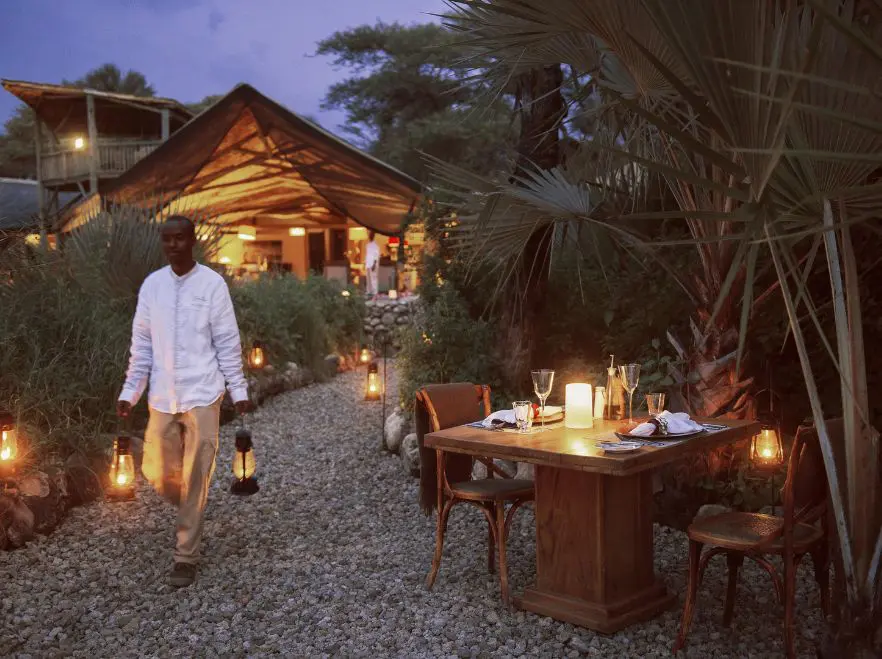
Chem Chem Lodge, Tanzania
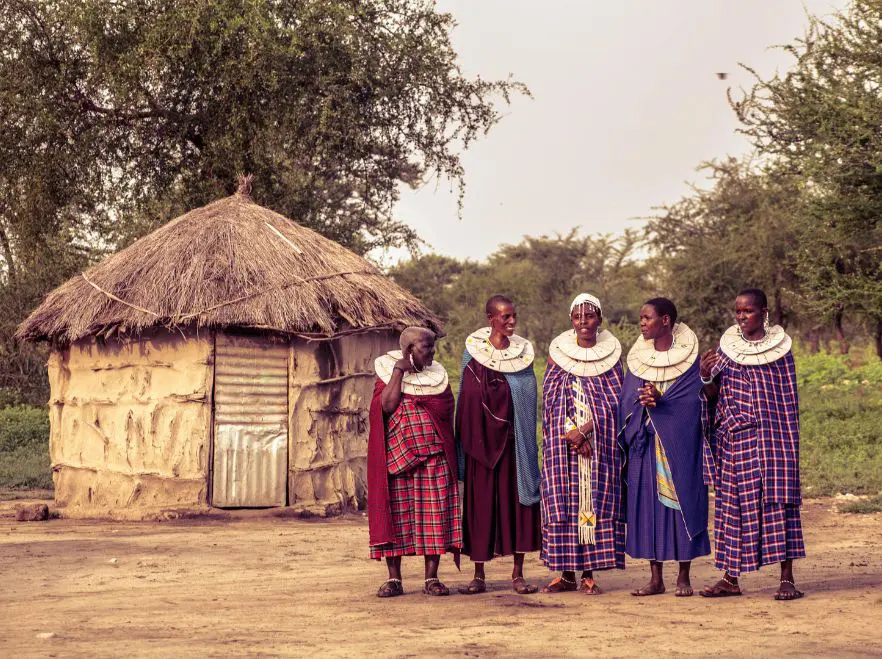
Visit a Maasai village from Chem Chem Lodge, Tanzania
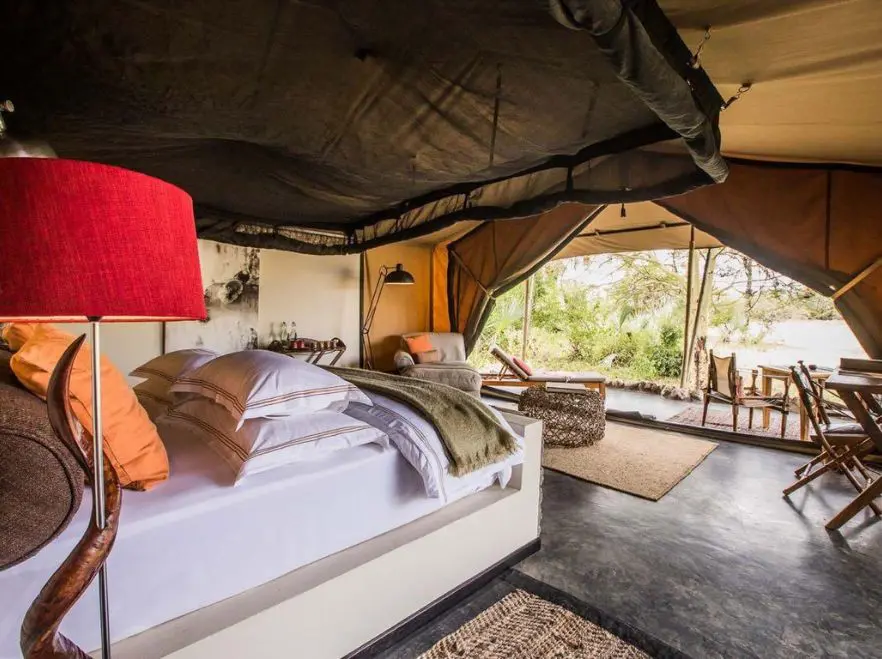
Chem Chem Lodge, Tanzania
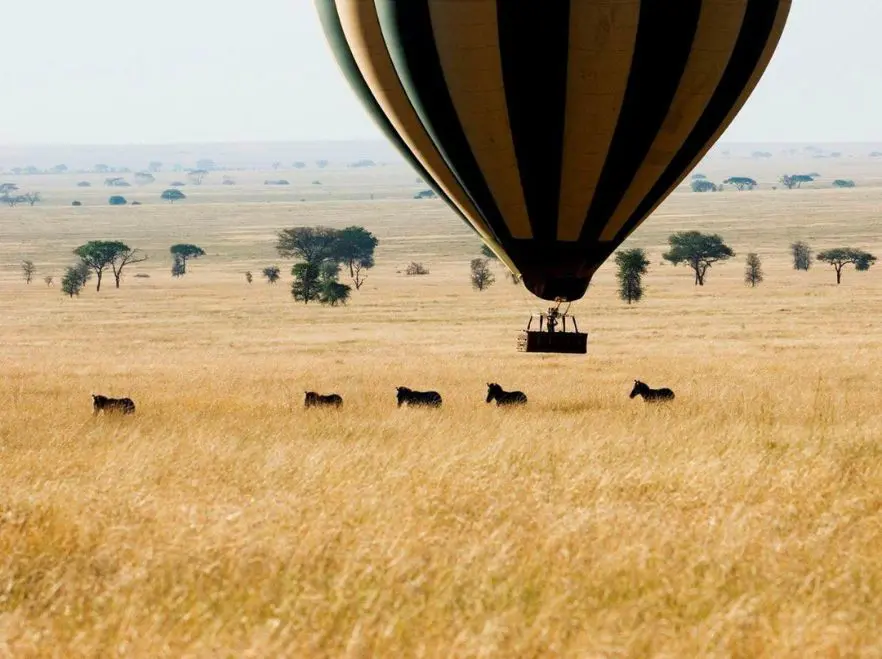
Float over the plains from Chem Chem Lodge, Tanzania
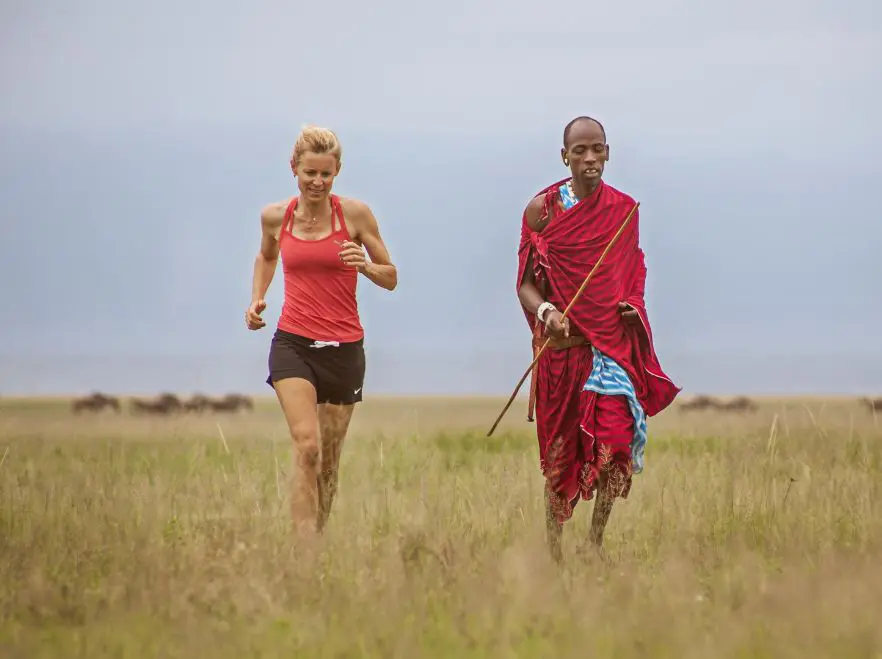
Run with the Maasai, Chem Chem Lodge, Tanzania
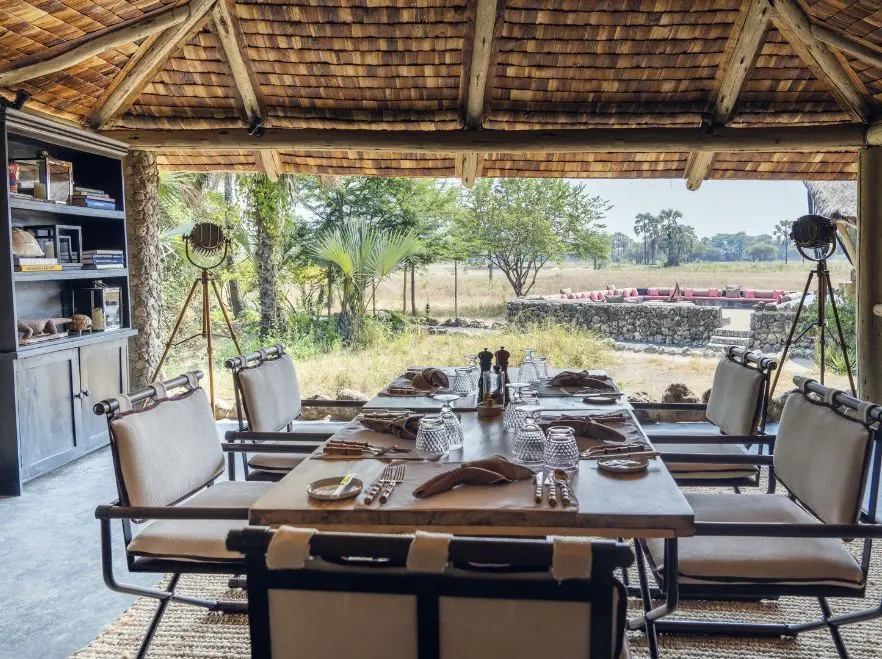
Chem Chem Lodge, Tanzania
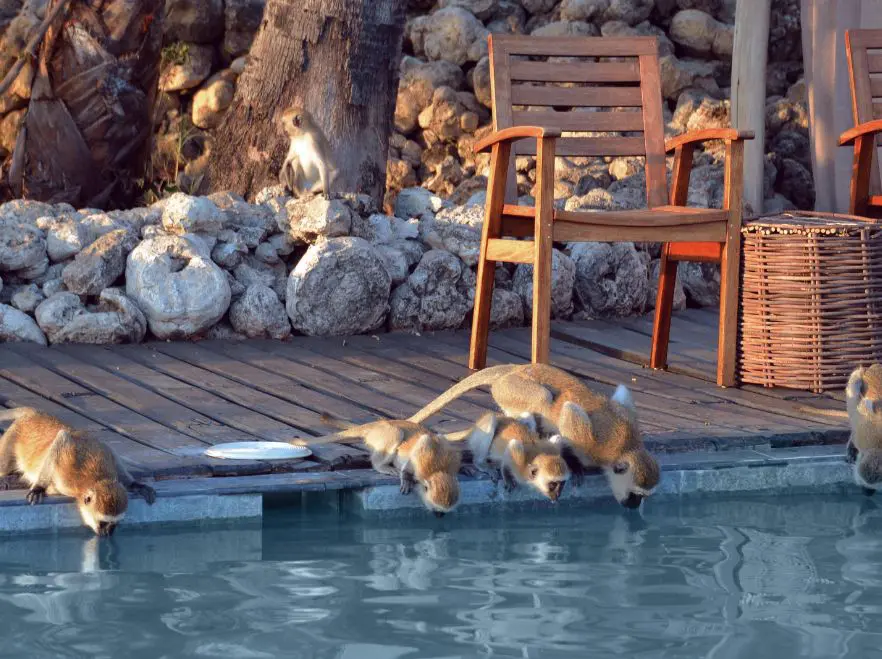
Cheeky monkey's are welcome Chem Chem Lodge, Tanzania

Dining in the bush, Chem Chem Lodge, Tanzania

Chem Chem Lodge, Tanzania

Safari drive, Chem Chem Lodge, Tanzania


Luxury Tanzania trip ideas
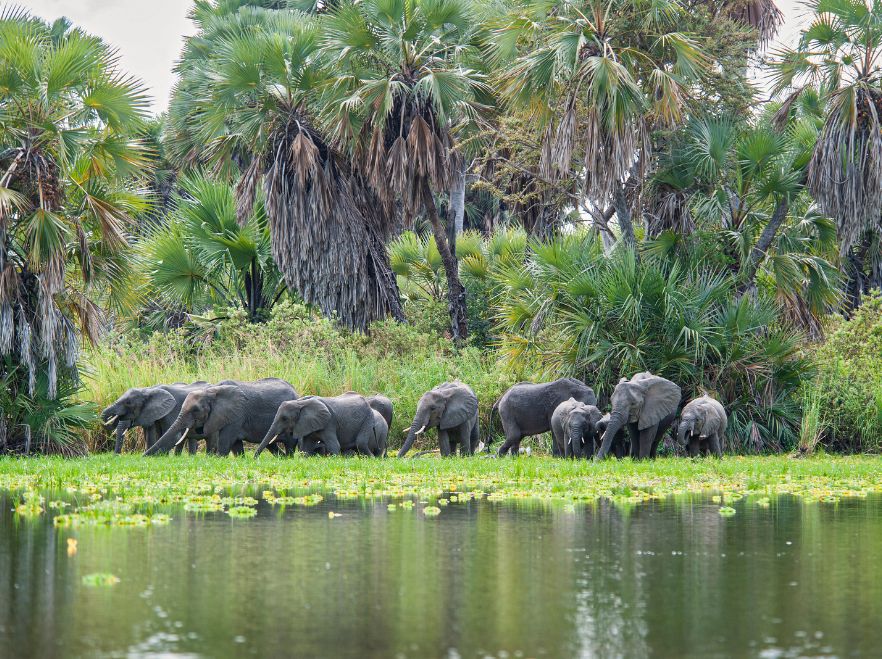
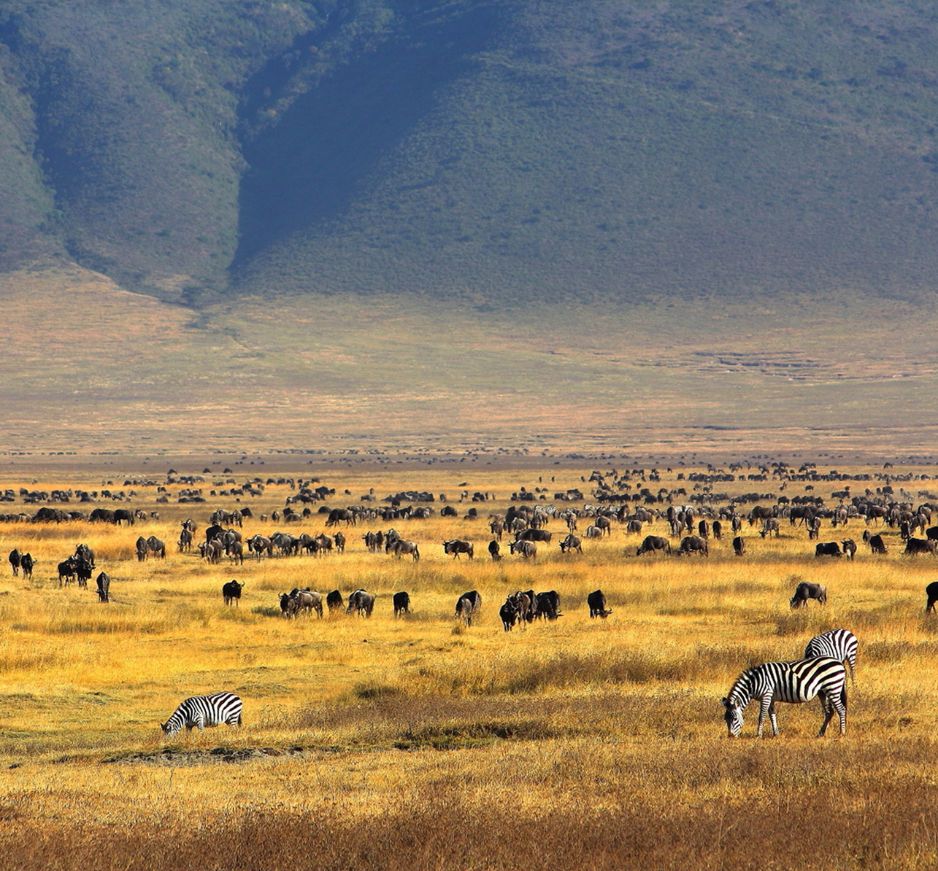

Top Luxury Hotels + Lodges In Tanzania



Good to know
How to get there
From Arusha, you will take a light aircraft flight to either Kuro Airstrip or Lake Manyara, a flight time of 25-40 minutes. From here the lodge is between 1 and 2 hours drive away depending on the wildlife you encounter on the way.
Are children welcome?
Chem Chem Lodge welcomes children aged 4 years and older, with some restrictions:
Family-Friendly Features
- Family Accommodation: A family suite is available, featuring two interconnected tented bedrooms.
- Child-Friendly Activities:
- Guided nature walks
- Animal tracking with expert guides
- Safari-themed baking and cooking lessons
- Beading workshops with Maasai women
- Marshmallow toasting around the campfire
Age Restrictions
- Game Drives: Children under 6 years are not allowed on shared game drives but can join private game drives.
- Walking Safaris: Typically restricted to children 12 years and older for safety reasons.
- Exclusive Use: Families booking the lodge on an exclusive-use basis can bring children of all ages.
Giving back
Conservation efforts: The lodge manages 20,000 hectares within the Burunge Wildlife Management Area, working to restore the Kwakuchinja Corridor, a vital migratory route between Tarangire and Lake Manyara National Parks.
Anti-poaching initiatives: A dedicated anti-poaching unit collaborates with local authorities to protect wildlife from illegal hunting, significantly reducing poaching activities in the area.
Community empowerment: The lodge has constructed classrooms, provided scholarships, and supported teacher training to enhance educational opportunities in surrounding villages.
Economic development: Initiatives such as women’s clubs and marketplace literacy courses empower locals to start small businesses, promoting financial independence and reducing reliance on unsustainable practices.
Environmental education: Programs like the Chem Chem Soccer League and Sponsor a Child on Safari educate young people about conservation, fostering a sense of stewardship for their natural heritage.
Sustainable tourism: The lodge operates with minimal environmental impact, using solar power, eco-friendly waste management, and locally sourced materials to support conservation and reduce its footprint.
What wildlife can you expect to see?
Elephants: Large herds move through the Kwakuchinja Corridor, frequently seen near water sources and open plains.
Lions: Known for their unusual tree-climbing behaviour, these lions can often be spotted lounging in acacia trees or hunting on the plains.
Leopards: Typically elusive, they are occasionally seen resting in trees or stalking prey along the reserve’s wooded areas.
Cheetahs: Often found in the open grasslands, using their speed to hunt gazelles and other small antelope.
Giraffes: Maasai giraffes are abundant, gracefully browsing on acacia trees across the reserve.
Buffalo: Large herds roam the area, frequently congregating near water sources and attracting predator attention.
Plains game: Includes zebras, wildebeest, impalas, elands, and waterbucks, supporting the reserve’s thriving predator population.
Hyenas: Both spotted and striped hyenas are present, often seen scavenging near predator kills or heard calling at night.
Birdlife: Over 400 species, including fish eagles, flamingos, crowned cranes, and secretary birds, making it a prime destination for birdwatching.
Rare species: Occasional sightings of aardvarks, bat-eared foxes, and pangolins, offering unique and memorable wildlife encounters.
