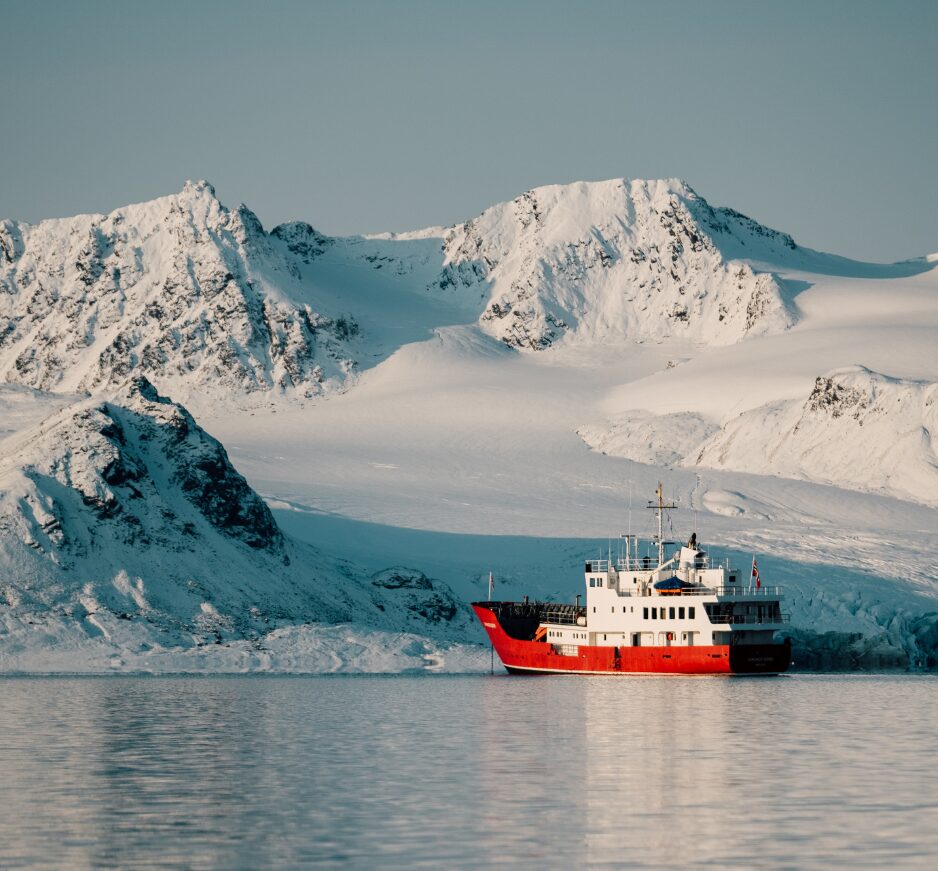
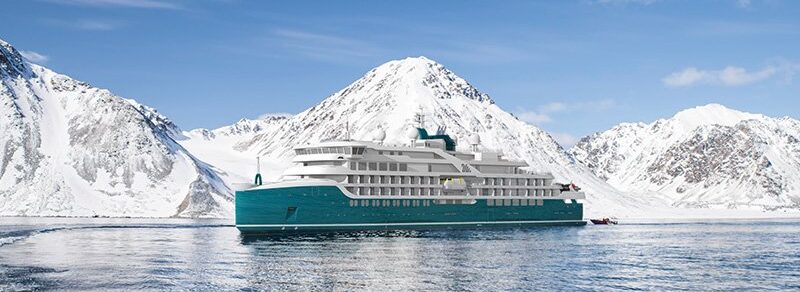
MS Quest

Expedition Ship, Greenland

Highlights

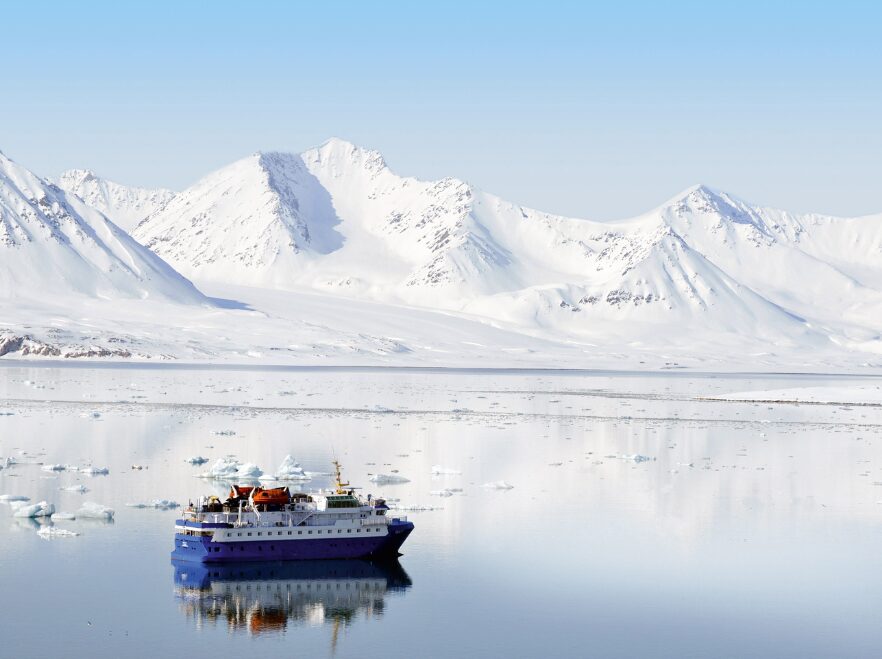
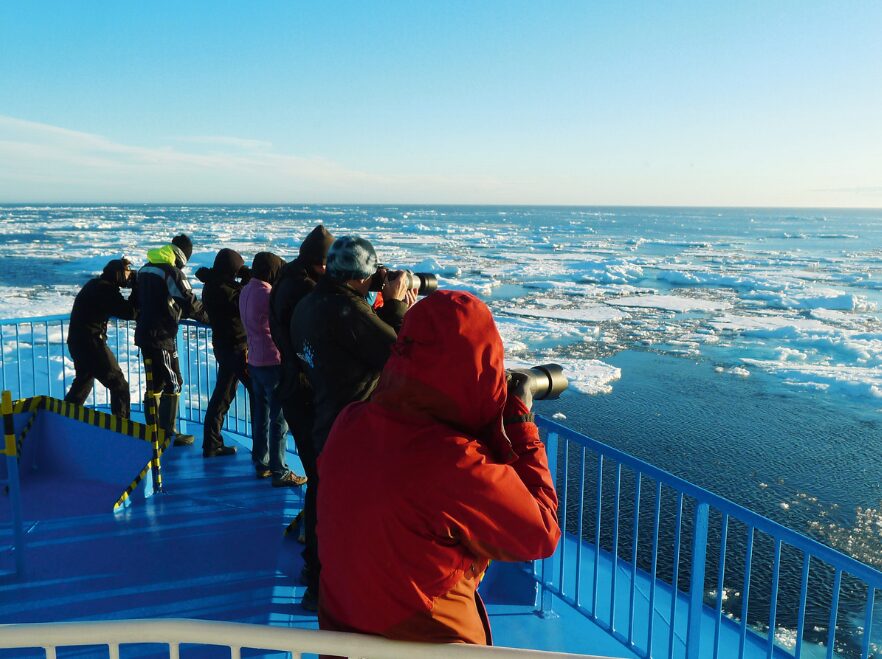
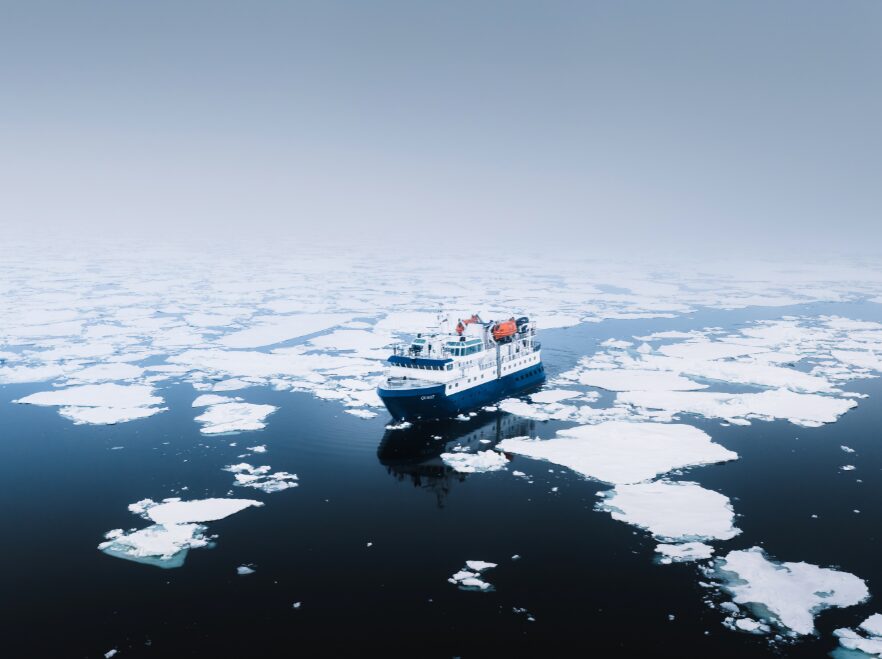
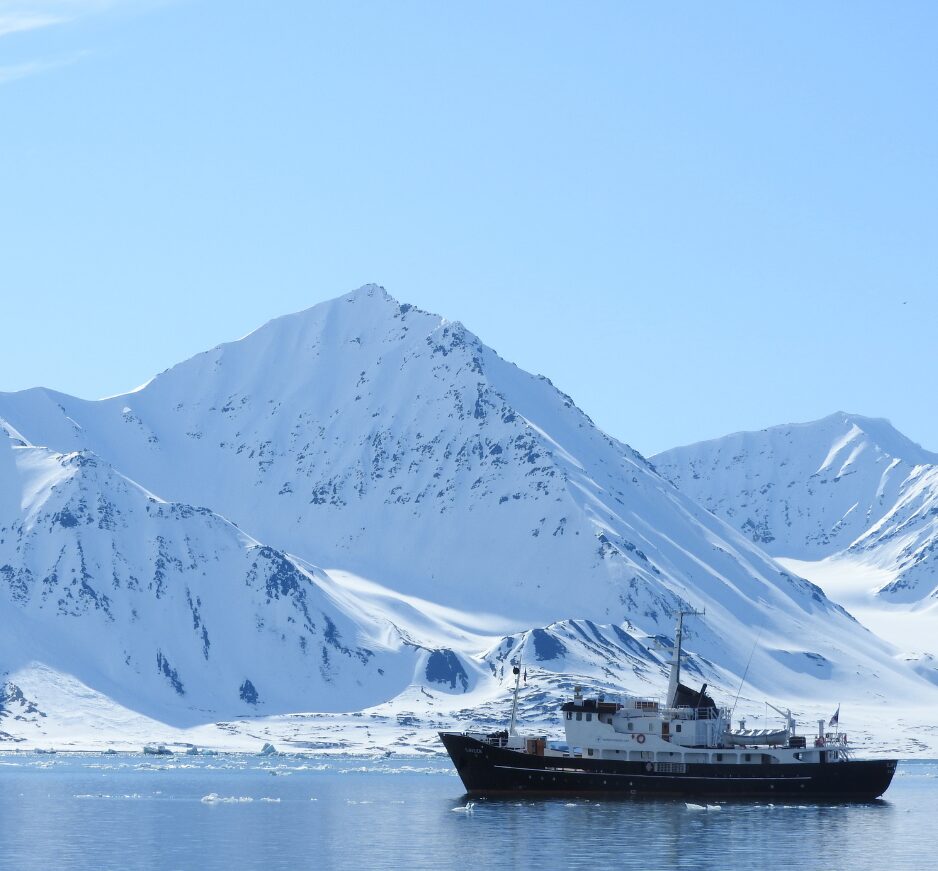
  • Small ship access – With a maximum of just 50 guests, MS Quest can navigate narrow fjords, secluded bays and areas of pack ice beyond the reach of larger expedition vessels, opening up a wider range of landing sites and wildlife encounters.
  • Excellent wildlife viewing – Svalbard is one of the best places in the Arctic to see polar bears. You may also encounter walrus hauled out on remote beaches, Arctic foxes, Svalbard reindeer, beluga whales, humpbacks and vast seabird colonies.
  • Frequent shore landings – A fleet of Zodiac landing craft allows for flexible exploration throughout the voyage. Depending on conditions, you can expect regular landings, guided walks and opportunities to get closer to glaciers, historic sites and wildlife.
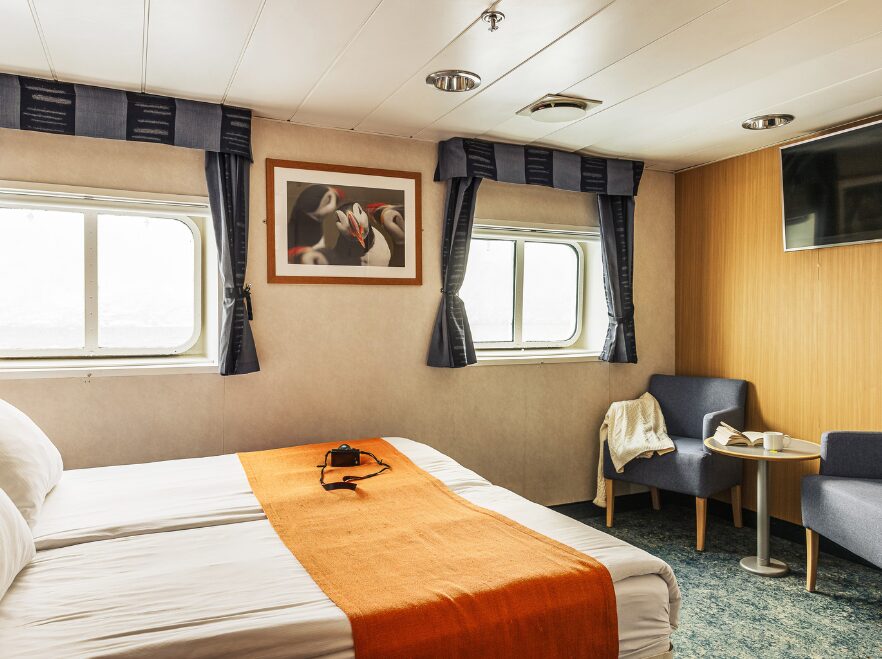
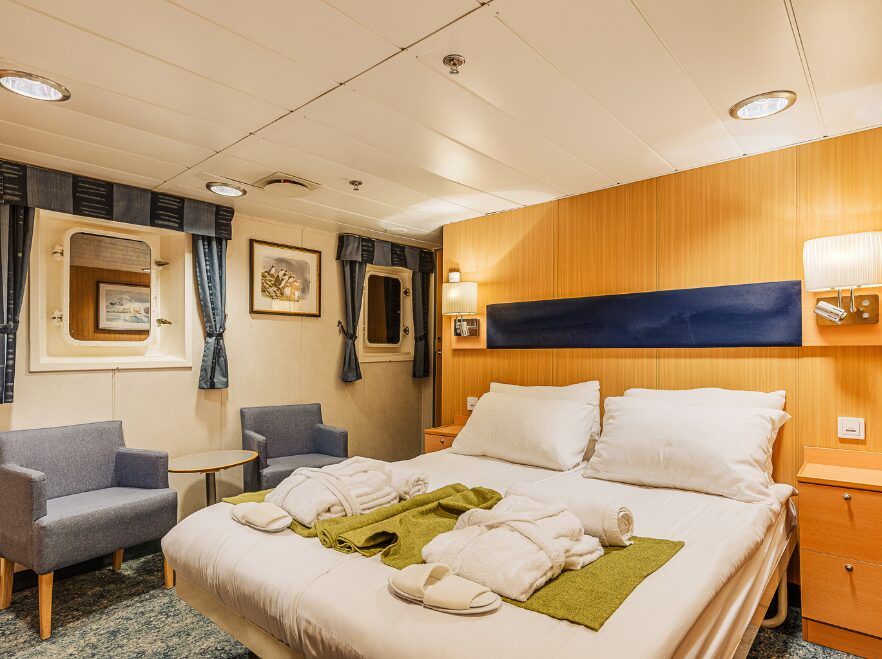
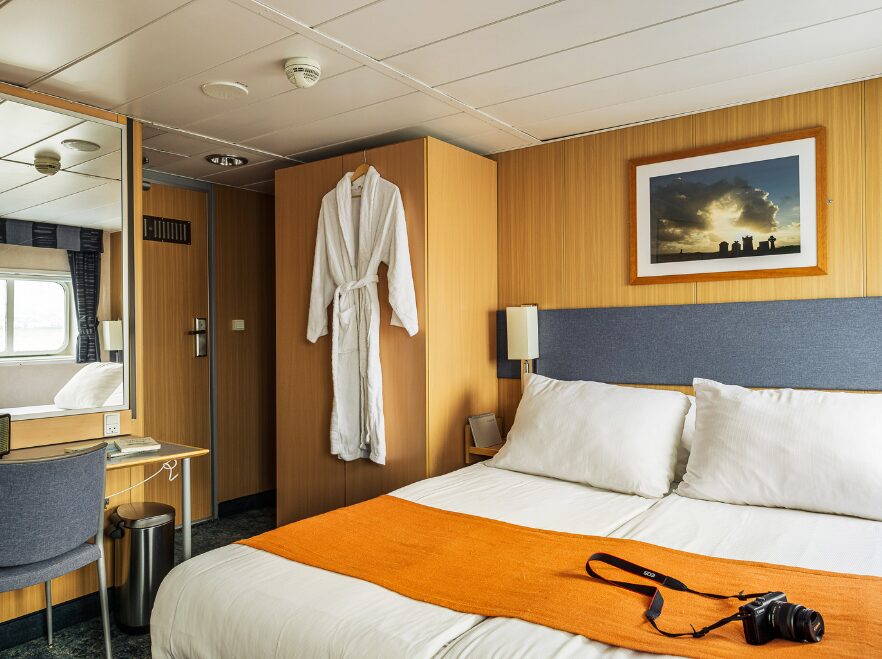
  • Comfortable cabins – The ship’s cabins are simple but well appointed, all with private facilities. Large windows in many categories provide excellent views of the passing Arctic scenery, while public areas offer plenty of space to relax between excursions.
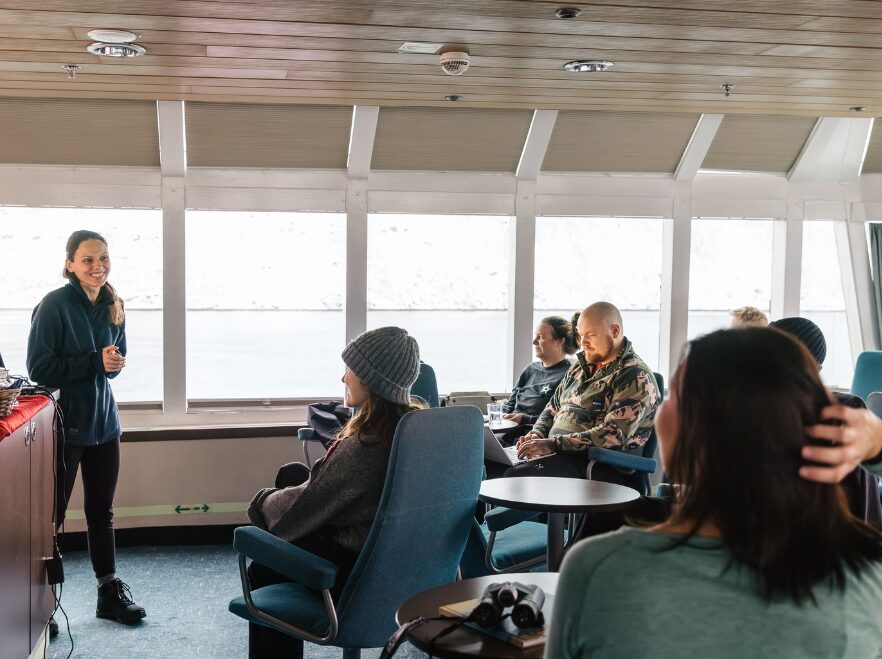
  • Experienced expedition team – The onboard expedition team includes specialists in Arctic wildlife, geology, history and conservation. Daily briefings, lectures and informal conversations add valuable context to the landscapes and wildlife you encounter.
  • Authentic expedition atmosphere – MS Quest prioritises exploration over onboard entertainment. The focus is firmly on maximising time ashore and in the Zodiacs, creating a more immersive Arctic experience for those keen to learn and explore.

Why we love MS Quest

Blockquote

One of the most loved ships amongst traditional expedition lovers, the MS Quest is most definitely one of the most capable ships operating in The Arctic. Her size allows her to get places others can’t and the small numbers on board mean that landings can last longer and more sites can be explored.

Speak To Someone Who’S Been There
Karen Chapman

Start to planning your tailor-made trip by contacting one of our specialists

Karen Chapman
CALL US TODAY +44 207 384 2332
Make An Enquiry
trustpilot excellent rating for cazenove+loyd

Features

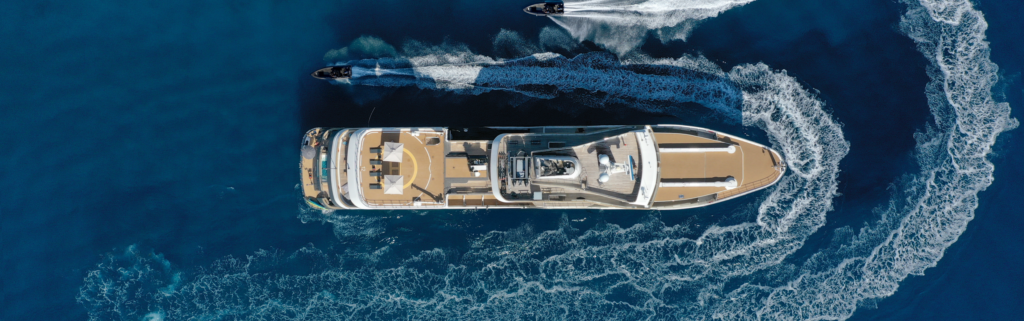
  • Constructed: Built in Denmark in 1992 for service along Greenland’s west coast. Converted into an expedition vessel in 2004–05 and refurbished in 2018.
  • Capacity: 50 guests accommodated in 24 outside cabins, creating an intimate onboard atmosphere and allowing for efficient shore landings.
  • Expedition Team: Up to five experienced expedition guides lead Zodiac cruises, shore excursions, wildlife spotting and informative lectures throughout the voyage.
  • Crew: An experienced maritime and hotel team ensures a safe and comfortable journey, with a ship’s doctor carried on most departures.
  • Speed: Cruising speed of approximately 11 knots, providing the flexibility to explore remote fjords, coastlines and areas of pack ice.
  • Size: Approximately 49 metres in length, offering the manoeuvrability needed to access areas beyond the reach of larger expedition vessels.


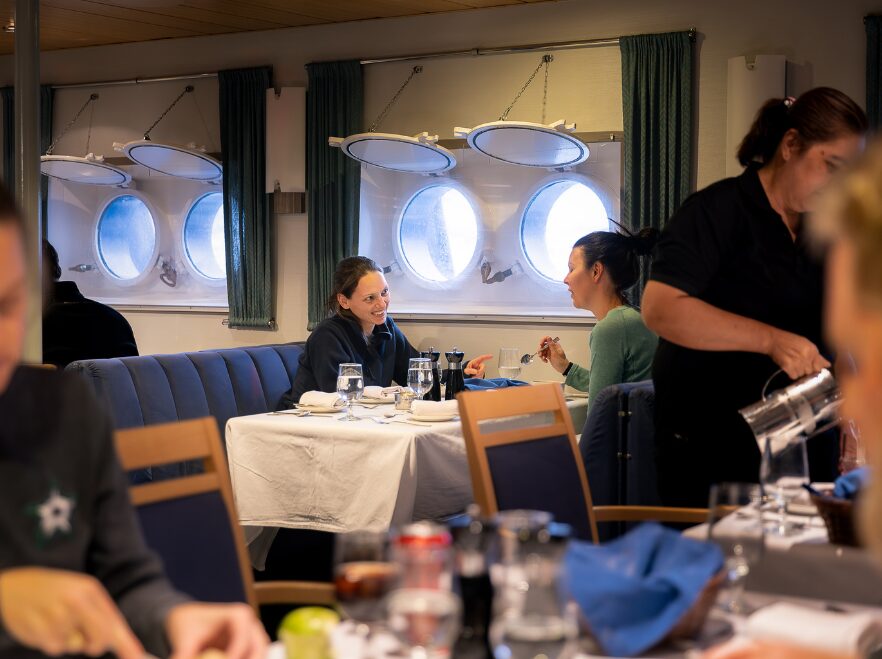
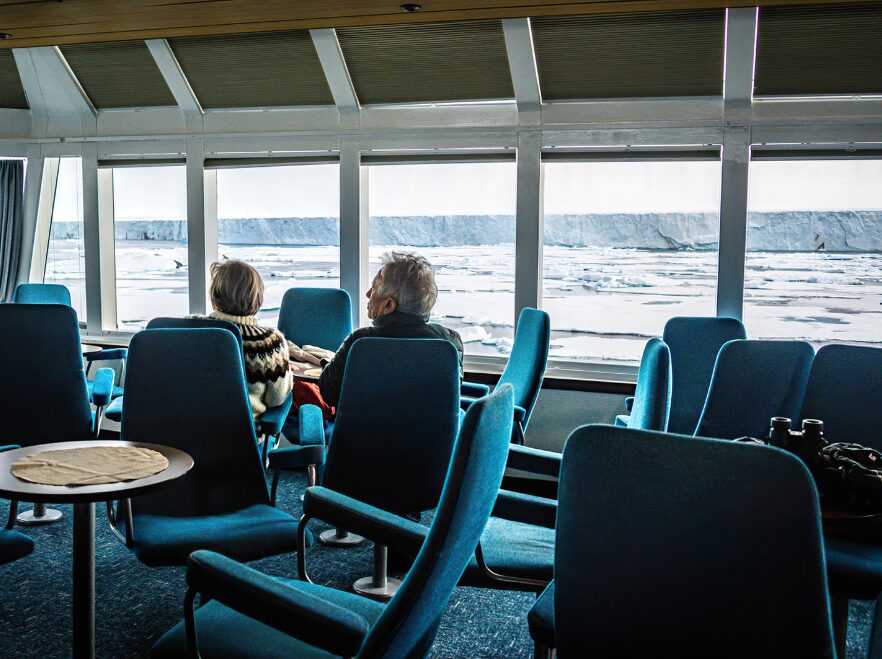
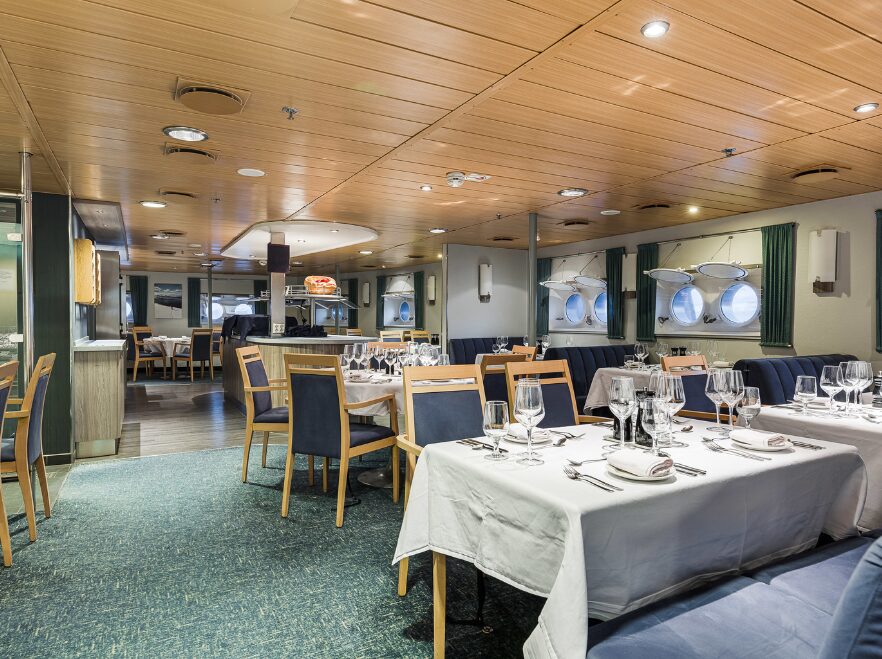
  • Dining: A welcoming restaurant serves hearty Scandinavian-inspired cuisine, while the panoramic lounge provides a comfortable setting for drinks and daily briefings.
  • Leisure: Facilities include a panoramic observation lounge, library, spacious viewing decks and an open bridge policy, allowing close involvement in the voyage.
  • Cabins: All cabins are outward-facing with private bathrooms, comfortable furnishings and sea views. Higher cabin categories offer additional space and seating areas.

Top Tip: MS Quest is among the smallest expedition ships sailing in Svalbard. Fewer guests onboard means faster Zodiac operations, more flexibility and greater opportunities to explore remote parts of the archipelago.

Top Luxury Hotels + Lodges In Svalbard

Previous
Next

Good to know

Yes. Children are welcome aboard M/S Quest, although we would suggest that it is more appropriate for older children given the environments you are likely to visit. The ship offers a number of cabin configurations, including some that can accommodate families, and the operator welcomes family groups on selected departures.

That said, I would add a few caveats:

  • Best for older children – Most families find the experience works best for children aged around 10 and above who have an interest in wildlife, nature and adventure.
  • Limited onboard facilities for children – There are no children’s clubs, play areas, swimming pools or organised entertainment programmes. The focus is firmly on exploration and wildlife.
  • Flexible expedition schedule – Daily activities are dictated by weather, sea ice and wildlife sightings. This flexibility is one of the attractions of expedition cruising but may not suit every child.
  • Excellent for wildlife enthusiasts – Polar bears, walrus, whales, seabird colonies and Zodiac excursions provide plenty to keep curious young travellers engaged.
  • Small ship atmosphere – With just 50 guests onboard, guides and crew quickly get to know younger passengers, creating a more personal and inclusive experience.

For families, M/S Quest is particularly well suited to adventurous teenagers and multi-generational groups looking for a genuine expedition experience rather than a traditional cruise.

  • Responsible wildlife viewing – All landings and wildlife encounters follow strict Arctic guidelines designed to minimise disturbance to animals and their habitats.
  • Small-group exploration – With only 50 guests onboard, shore landings have a lower environmental impact than those from larger expedition vessels.
  • Environmental education – Expedition guides provide lectures and briefings on Arctic ecosystems, climate change and conservation challenges throughout the voyage.
  • Industry standards – MS Quest is a member of the Association of Arctic Expedition Cruise Operators (AECO), which sets operational guidelines for responsible tourism in the Arctic.
  • Leave-no-trace principles – Guests are encouraged to follow strict protocols during landings, ensuring that nothing is removed from or left behind in the fragile Arctic environment.
  • Route flexibility – Expedition itineraries are adapted according to ice, weather and wildlife conditions, helping to reduce disturbance and maximise safe, responsible exploration.

Why cazenove+loyd?

Insider Knowledge

Personalised Approach

Rare
Access

Impartial advice