

Why visit Jeju Island
Jeju Island, often called the “Hawaii of Korea” is South Korea’s largest island and is known for its volcanic landscapes, coastal scenery, and distinct cultural heritage.
- Hallasan Mountain: South Korea’s highest mountain rises at the centre of Jeju Island. Visitors can hike its scenic trails and enjoy views of forests, volcanic landscapes, and the crater lake near the summit.
- Seongsan Ilchulbong (Sunrise Peak): This UNESCO-listed volcanic tuff cone is one of Jeju’s most famous landmarks. Visitors can follow walking trails to enjoy sweeping coastal views and learn about the island’s volcanic history.
- Lava Tube Caves: Jeju is home to an extensive network of lava tubes formed by ancient volcanic eruptions. These underground tunnels offer a fascinating insight into the island’s geology and natural heritage.
- Waterfalls + Coastlines: From Cheonjiyeon Waterfall to dramatic cliffs and sandy beaches, Jeju’s coastline showcases a variety of landscapes shaped by volcanic activity and the surrounding sea.
- Seafood Experiences + Haenyeo Culture: Jeju’s coastal communities are known for their fresh seafood and maritime traditions. Visitors can sample local delicacies while learning about the haenyeo, the island’s traditional female free divers.
- Gardens + Natural Landscapes: Jeju’s tea fields, forests, and botanical gardens offer peaceful places to explore. Attractions such as Camellia Hill and Gotjawal Forest highlight the island’s diverse plant life and natural beauty.
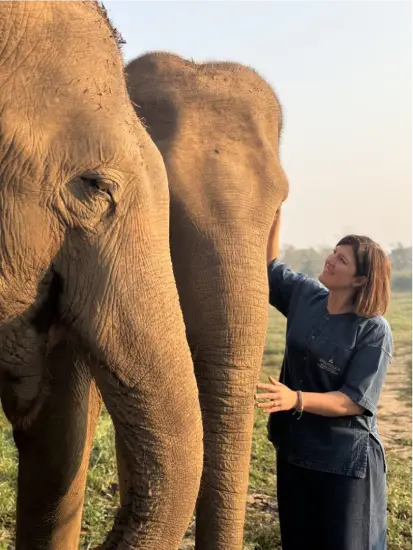
Start to planning your tailor-made trip by contacting one of our specialists



Gallery
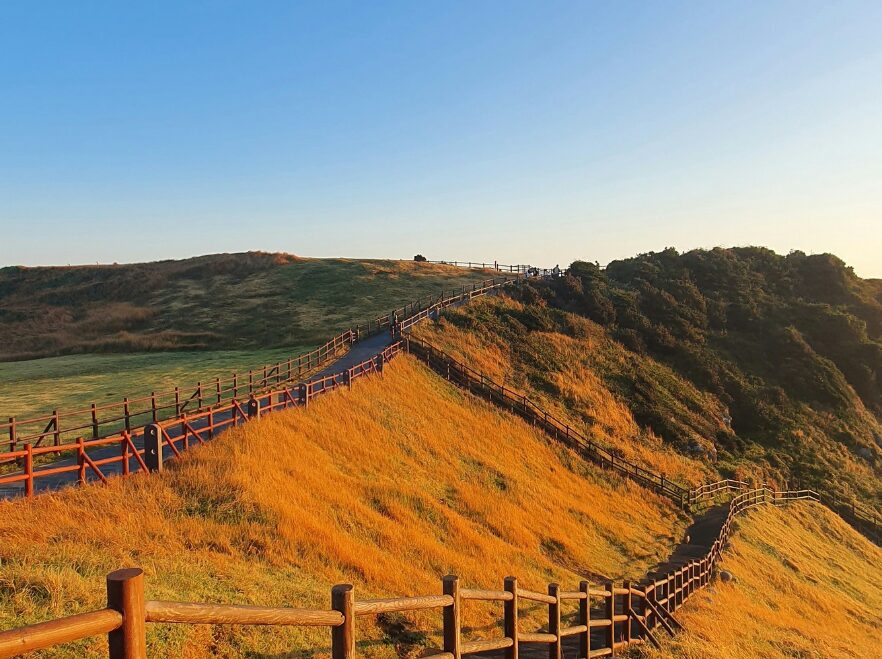
Seongsan Ilchulbong, (Sunrise Peak), Jeju Island, South Korea
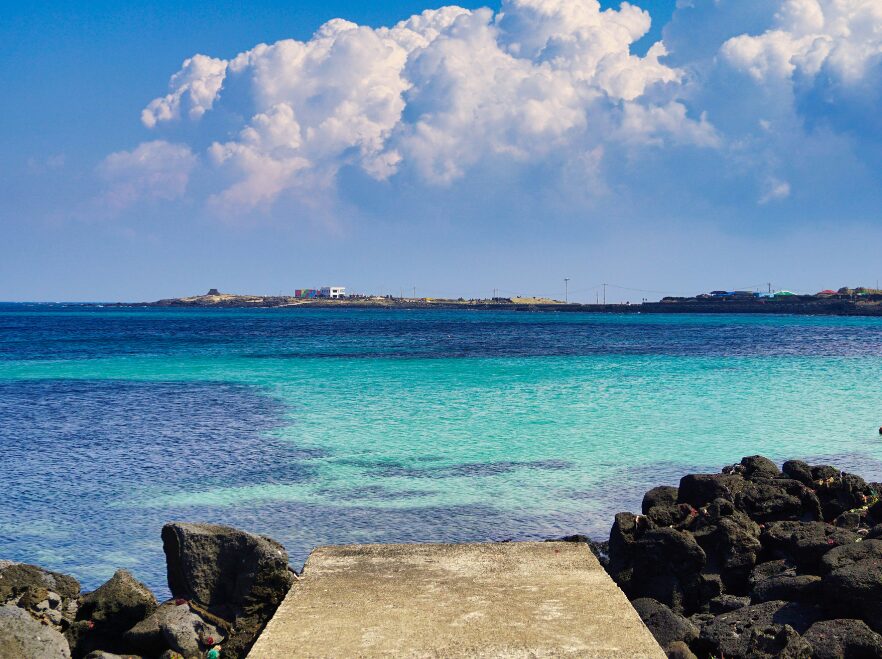
Volcanic Coast, Jeju Island, South Korea
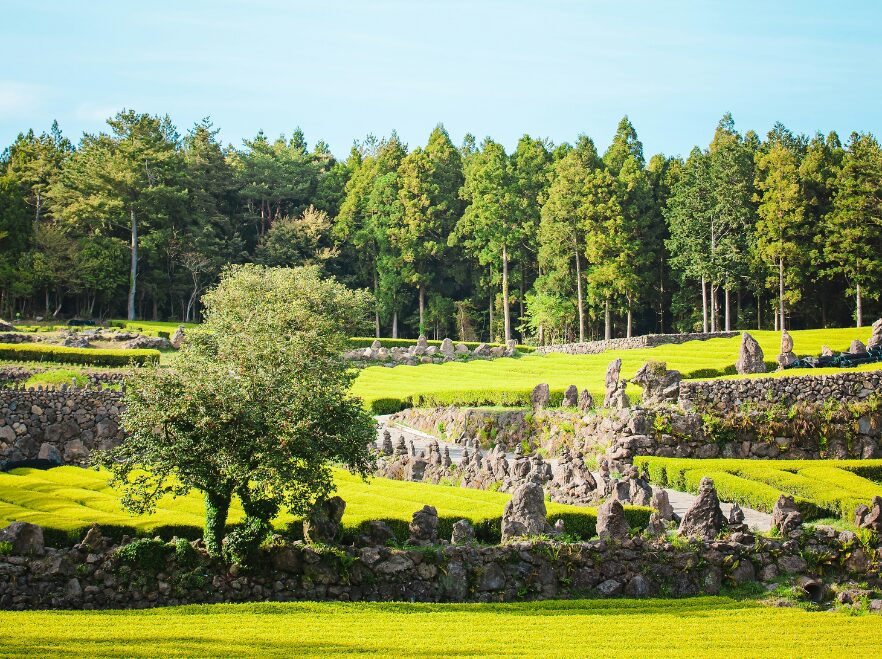
Green tea fields, Jeju Island, South Korea
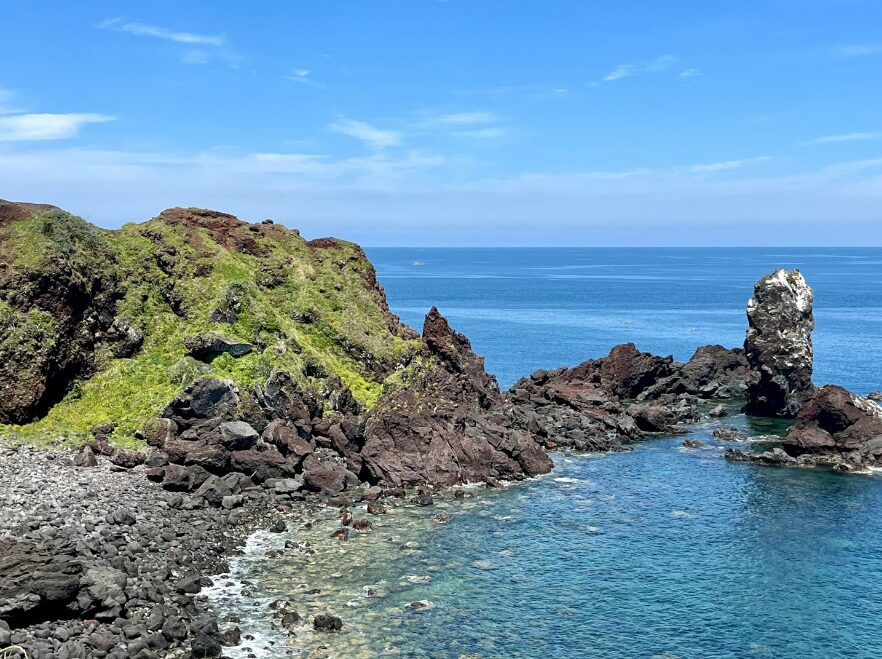
Rock formations of Seopjikoji, Jeju Island, South Korea
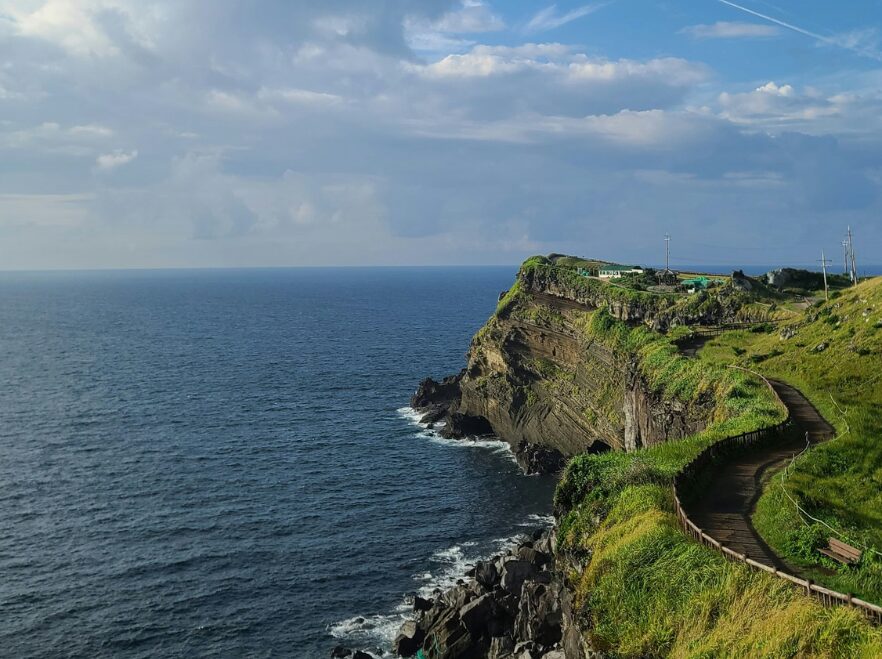
Songaksan Mountain Trai, .Jeju Island, South Korea
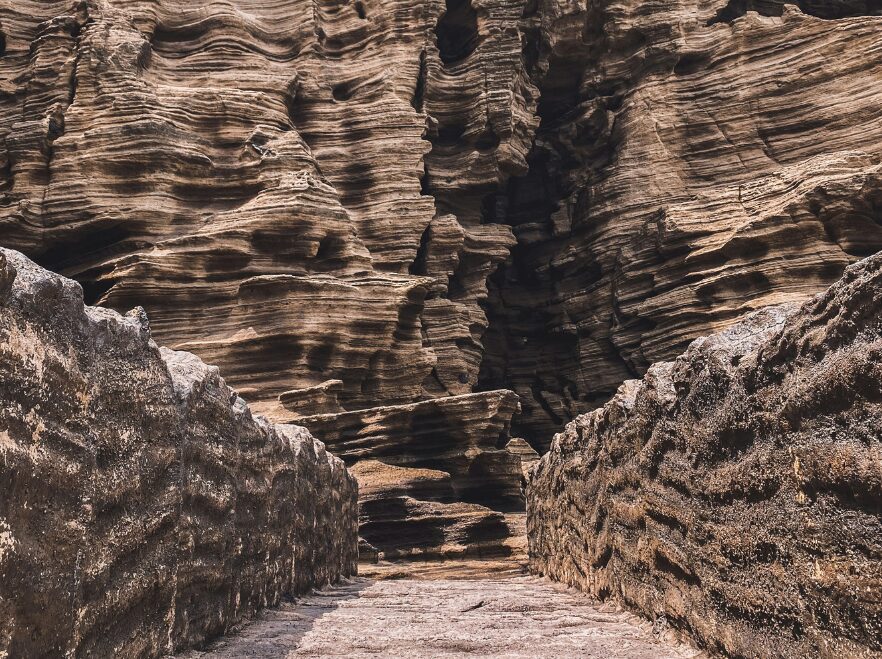
Sandstone cliffs of the Yongmeori Coast Jeju Island, South Korea
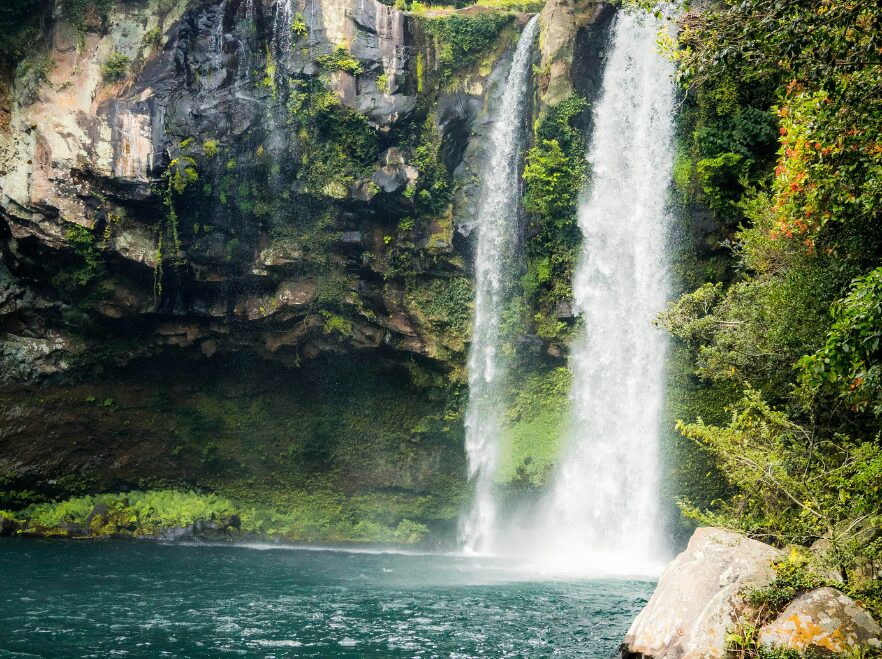
Cheonjiyeon Waterfall, Jeju Island, South Korea

Seongsan Ilchulbong volcanic crater, Jeju Island, South Korea


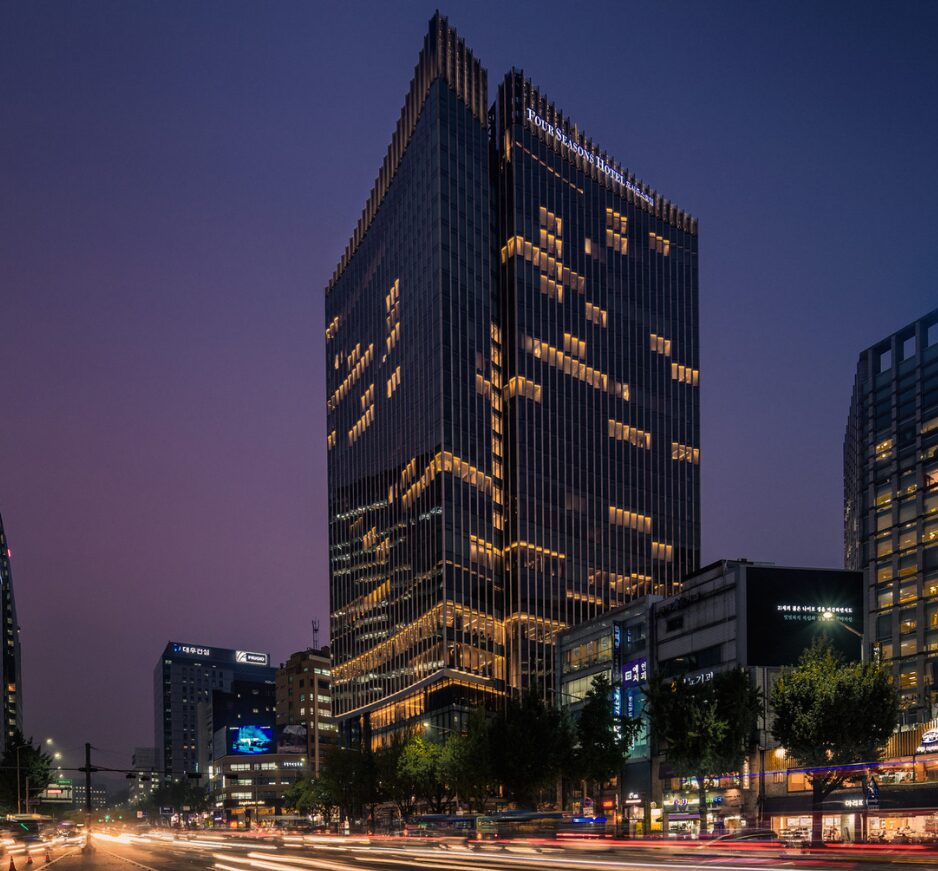
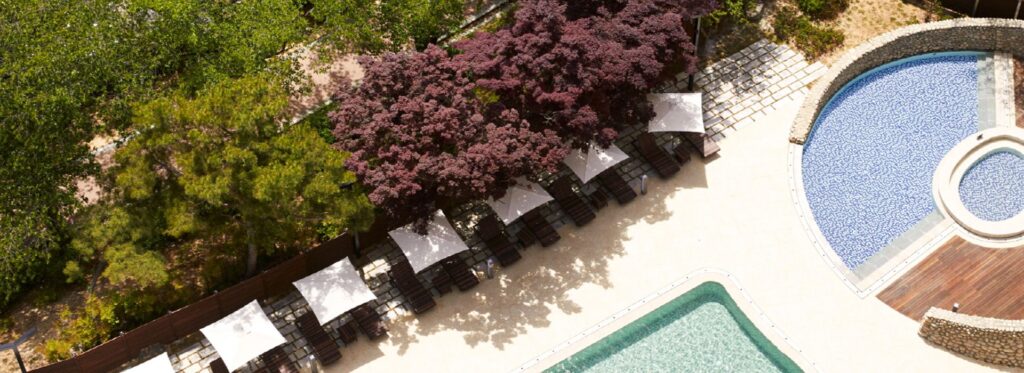
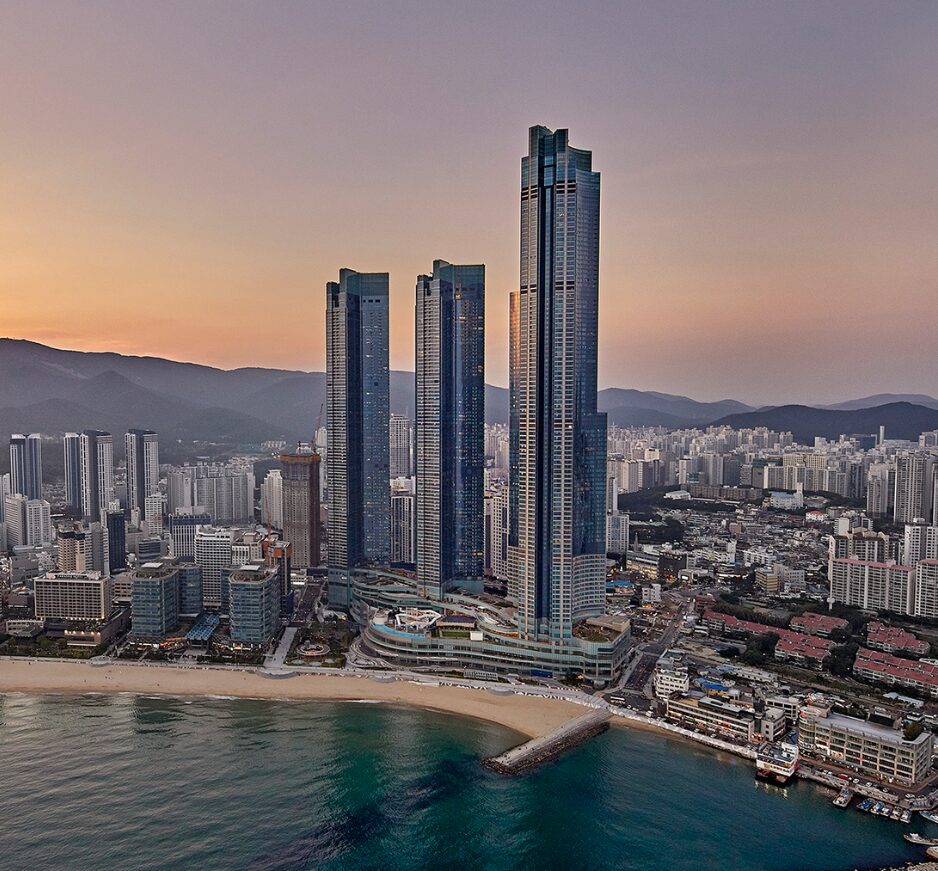
Our favourite places to stay in South Korea
Plan your holiday with us today
Our team of travel specialists are ready to help you plan your next adventure. Enquiry lines are open 24/7
Good to know
Getting to Jeju Island
The best way to get to Jeju Island is by air, with flights arriving at Jeju International Airport from several Asian hubs. There are multiple daily flights from Seoul, and the journey takes just over an hour.
