

Why visit the Northern Peru
Northern Peru is a land of lost civilisations, vast desert ruins and ancient stone fortresses hidden among misty cloud forests. With cazenove+loyd, you will explore extraordinary archaeological sites with specialist guides, uncover the treasures of forgotten kingdoms and venture into the mountains to discover towering waterfalls and remarkable ancient tombs.
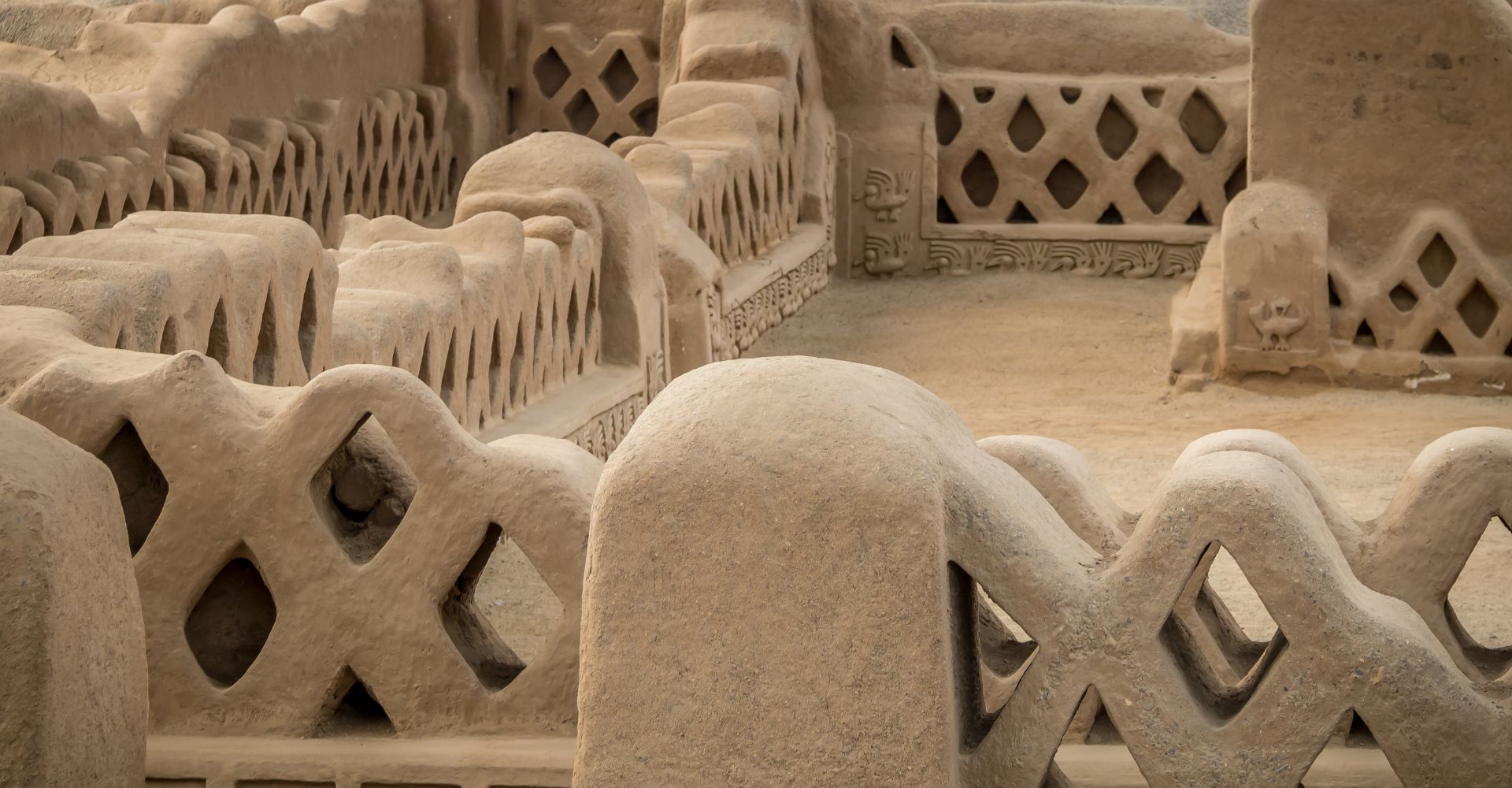
- Ancient city of Chan Chan: Walk through the immense adobe capital of the Chimú civilisation, discovering intricate wall carvings, ceremonial courtyards and the remains of an extraordinary pre-Inca city.
- Treasures of Sipán: Visit the Royal Tombs of Sipán Museum near Chiclayo, home to spectacular gold jewellery, ceremonial ornaments and treasures buried with powerful Moche rulers.
- Fortress of Kuélap: Explore an extraordinary Chachapoya citadel, perched almost 3,000 metres above sea level, with towering stone walls, circular dwellings and panoramic views across the mountains.
- Gocta Waterfall: Hike through lush cloud forest, alive with hummingbirds and butterflies, to witness one of the world’s tallest waterfalls plunging dramatically down a forested mountainside.
- Mysterious tombs of Revash: Discover miniature, house-shaped mausoleums built into remote limestone cliffs by the Chachapoya people, their red-painted walls surviving centuries of exposure.
- Extraordinary murals of Huaca de la Luna: Explore a Moche ceremonial complex near Trujillo, where vividly coloured reliefs depicting gods, warriors and mythical creatures have survived for more than 1,500 years.
- Traditional communities: Meet with local groups and learn about life in the forest, their traditions and culture and how the modern world impacts their traditional way of life.
The best time to visit Northern Peru is from May to October, when drier conditions make exploring the cloud forests and archaeological sites more comfortable. The coast can be visited year-round. Tell us when you’d like to go, and our Destination Experts will arrange exceptional private guides, select characterful places to stay and weave the region into a wider luxury holiday to Peru.
Start to planning your tailor-made trip by contacting one of our specialists

Peru trip ideas


Gallery

Northern Peru

Trujulo Cathedral, Northern Peru

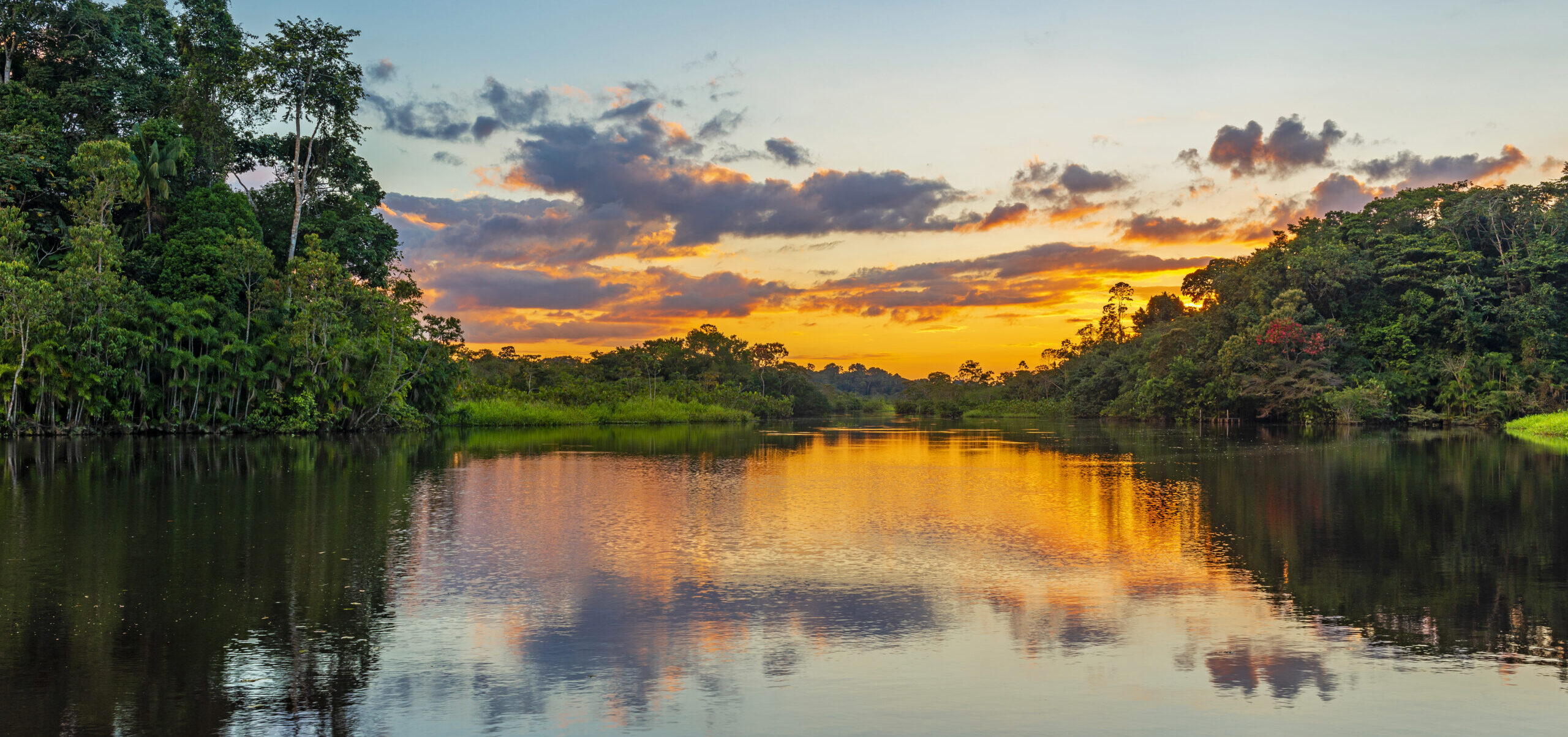
The forests of Northern Peru

Gocta Falls, Northern Peru

The ruins of Keulap, Northern Peru

The ruins of Keulap, Northern Peru

Chan Chan, Northern Peru

Tomb of the Lord of Sipán, Northern Peru

Trujillo, Northern Peru

The Cathedral of Chicalayo, Northern Peru

Gocta Falls, Northern Peru

The warrior statues of Chan Chan, Northern Peru

Museo de Sitio Huaca Rajada-Sipán, Northern Peru

El Brujo Archaeological Complex, Northern Peru


Plan your holiday with us today
Our team of travel specialists are ready to help you plan your next adventure. Enquiry lines are open 24/7
Good to know
Getting to Northern Peru
Northern Peru is reached by domestic flights from Lima to Trujillo or Chiclayo, both gateways to the region’s archaeological sites. Chachapoyas and Kuélap can be reached via regional airports, subject to flight schedules, followed by scenic road transfers. We recommend exploring the region with a private driver and specialist guide, allowing time to visit remote archaeological sites and villages along the way.
When is the best time to visit?
Northern Peru has several distinct climates, from the dry Pacific coast to the cooler, wetter cloud forests of the Andes.
May to October is generally the best period for a journey combining the coast and Chachapoyas. Rainfall is typically lower in the mountains, making walking trails and rural roads easier to negotiate.
November to April brings warmer conditions to the coast, particularly around Trujillo and Chiclayo, but heavier rainfall in the cloud forests. Gocta Waterfall is often especially impressive after periods of rain, although walking conditions can be more challenging.
The region can be explored throughout the year, but the timing of a more adventurous itinerary deserves careful consideration.
How long should I spend in Northern Peru?
We generally recommend seven to ten nights to explore the archaeological sites around Trujillo and Chiclayo before continuing into the cloud forests around Chachapoyas. Shorter journeys of four or five nights can focus on either the coastal archaeological sites or the Kuélap and Gocta region.
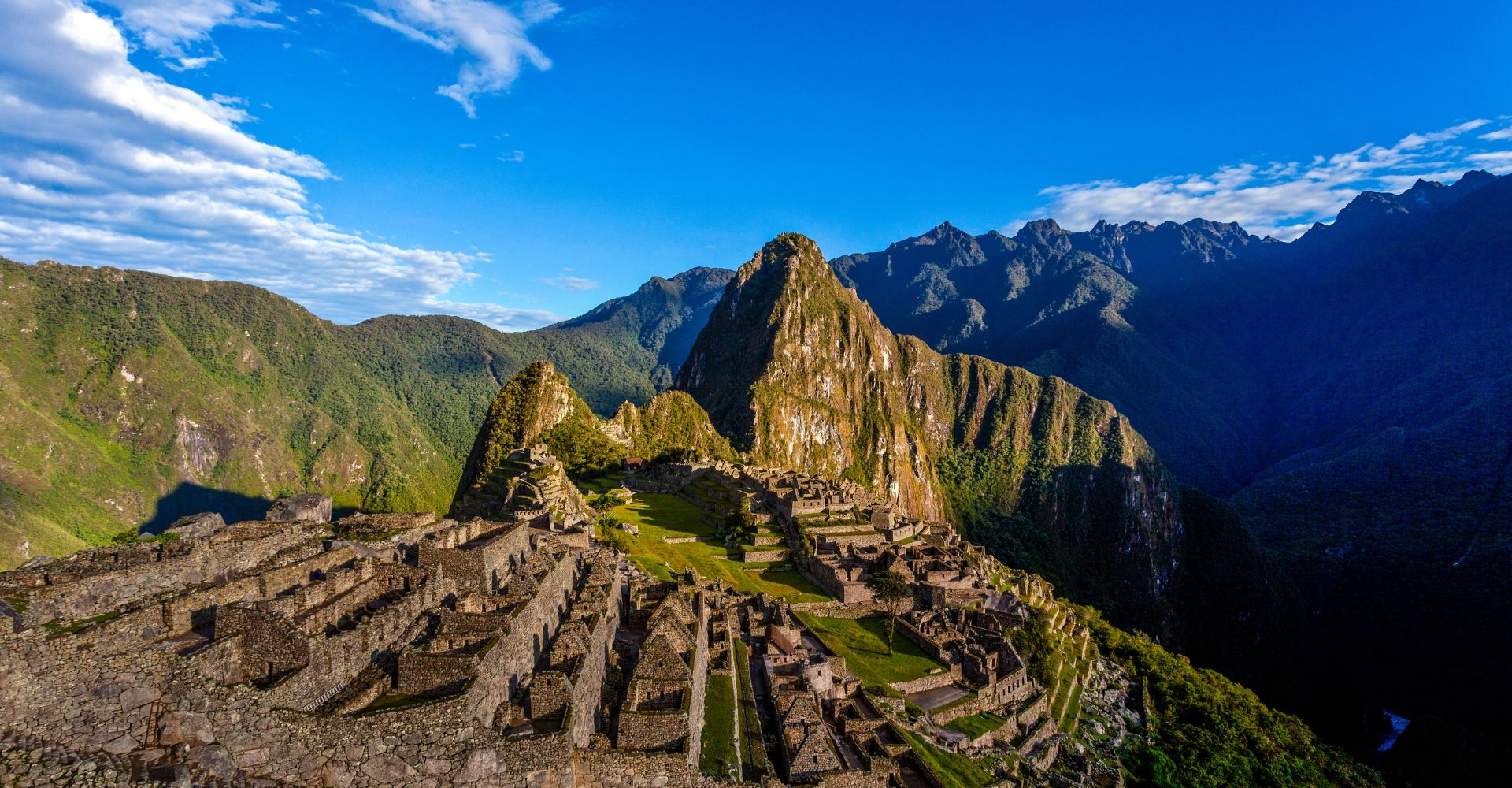
Is Northern Peru worth visiting if I've already seen Machu Picchu?
Absolutely. Northern Peru reveals a very different side of the country’s history, particularly the Moche, Chimú and Chachapoya civilisations. The archaeological sites are generally far less visited than those around Cuzco, and many offer a wonderful sense of exploration. It is especially rewarding for travellers returning to Peru.
Peru's greatest archaeological discoveries aren't all Inca.
In 1987, archaeologists uncovered the virtually undisturbed tomb of the Lord of Sipán, a powerful Moche ruler buried around 1,700 years ago. His extraordinary collection of gold, silver and ceremonial treasures transformed our understanding of ancient Peru. The discovery has often been compared to the opening of Tutankhamun’s tomb.
What about the altitude?
The archaeological sites around Trujillo and Chiclayo are close to sea level, but the landscape changes considerably inland. Chachapoyas lies at approximately 2,300 metres, while Kuélap reaches around 3,000 metres. We will always allow time to acclimatise before strenuous walks, particularly when travelling directly from the coast.
Is Northern Peru suitable for a first visit to Peru?
It can be, particularly for travellers interested in archaeology, history and lesser-visited destinations. However, for most first-time visitors we would generally recommend Cuzco, the Sacred Valley and Machu Picchu as the starting point. Northern Peru is particularly appealing as a second journey or for those with enough time to explore beyond the country’s better-known highlights.
