

Why visit Wellington
Set around a sheltered harbour at the southern tip of New Zealand‘s North Island, Wellington combines a lively arts scene with remarkable access to nature. The capital is home to outstanding museums, inventive restaurants and the country’s film industry, while forested hills rise immediately beyond its waterfront. With cazenove+loyd, explore Māori heritage, meet conservation specialists and uncover the city’s creative culture.
- Te Papa Museum: Explore New Zealand’s remarkable national museum with a specialist guide, gaining insights into Māori heritage, contemporary art and conservation through private, behind-the-scenes access.
- Zealandia Wildlife Sanctuary: Venture into this extraordinary protected forest with an expert naturalist, encountering rare native birds and searching for elusive kiwi on a guided evening walk.
- Wētā Workshop: Explore the creative world behind The Lord of the Rings and other celebrated films, seeing how skilled artists bring extraordinary creatures, costumes and props to life.
- Māori heritage: Join local Māori guides on a cultural walk or traditional waka excursion, uncovering the stories, traditions and history of Wellington’s remarkable natural harbour.
- Capital culture: Explore Wellington’s lively waterfront, independent galleries and excellent restaurants, before riding the historic cable car for panoramic views across the harbour and surrounding hills.
- Kāpiti Island: Venture north to this protected island sanctuary, where guided walks reveal rare native birds, remarkable conservation achievements and the stories of its Māori guardians.
Wellington’s compact size makes it particularly rewarding to explore on foot, with excellent restaurants, galleries and museums within easy reach of the waterfront. Beyond the city, the surrounding coastline and forested hills provide wonderful opportunities for wildlife encounters, walking and outdoor exploration.
Start to planning your tailor-made trip by contacting one of our specialists

New Zealand trip ideas
We’ve never built the same New Zealand trip twice. Every journey is always personalised to you and how you like to travel. Let our sample itineraries spark your imagination.
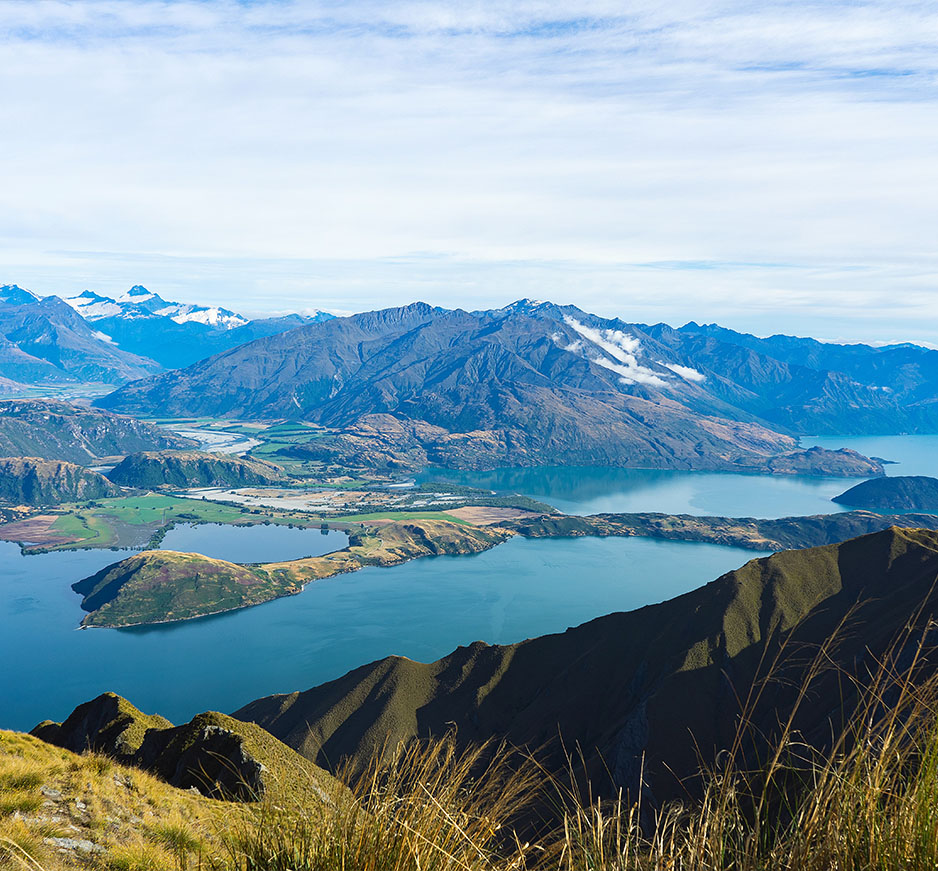


Gallery

New Zealand's parliament building, Wellington

Wellington, New Zealand

Views across Wellington

Kāpiti Island from Pekapeka beach, Wellington

Castlepoint lighthouse, Wellington

Māori carving

Hiking trails near Wellington


Our favourite places to stay in and near Wellington
Plan your holiday with us today
Our team of travel specialists are ready to help you plan your next adventure. Enquiry lines are open 24/7
Good to know
Getting to Tongariro National Park
Wellington is well connected by domestic flights from Auckland, Christchurch and Queenstown, with the airport just 15–20 minutes from the city centre. Regular ferries also connect Wellington with Picton in the South Island, taking approximately three-and-a-half hours across Cook Strait and through the Marlborough Sounds. Private transfers can be arranged.
When Is The Best Time To Visit?
Wellington can be visited throughout the year, although November to April generally offers the most pleasant conditions for exploring the city and surrounding coastline. Summer brings longer days and outdoor dining, while autumn can be particularly rewarding. The city is famously windy, and conditions can change quickly at any time of year.
New Zealand's Capital
Wellington became New Zealand’s capital in 1865, replacing Auckland. Today, it is also the centre of the country’s internationally acclaimed film industry, with Wētā Workshop responsible for creating extraordinary props, creatures and special effects for films including The Lord of the Rings, Avatar and The Hobbit.
What is Wellington best known for?
Wellington is New Zealand’s capital and cultural centre, celebrated for its museums, creative industries and excellent food scene. Its waterfront setting, thriving arts community and proximity to extraordinary natural landscapes make it particularly appealing. It is also known as “The Windy City” for very good reasons.
Can you visit the filming locations from The Lord of the Rings?
Yes. Wellington and its surrounding landscapes were used extensively during filming. Specialist tours can include locations such as Mount Victoria, alongside a visit to Wētā Workshop to learn about the artistry behind the films.
Can you visit the Martinborough vineyards from Wellington?
Yes. Martinborough is approximately 75–90 minutes from Wellington by road and is particularly renowned for its Pinot Noir. Private wine tours can be arranged, combining tastings at boutique vineyards with lunch at one of the region’s excellent restaurants.
