

Why visit the Bay of Islands
The Bay of Islands is a subtropical paradise of sheltered bays, secluded beaches and 144 islands scattered along New Zealand’s northern coastline. Explore by private yacht, discover the region’s rich Māori heritage and visit charming historic settlements. With cazenove+loyd, you can enjoy exceptional coastal retreats, private sailing adventures and some of the country’s finest marine experiences.
- Explore by private yacht: Sail between uninhabited islands, secluded beaches and sheltered coves, stopping to swim, snorkel or enjoy a private picnic in a beautiful coastal setting.
- Waitangi Treaty Grounds: Discover the birthplace of modern New Zealand, exploring historic buildings, traditional Māori meeting houses and the fascinating story behind the signing of the Treaty of Waitangi.
- Historic Russell: Wander through New Zealand’s first capital, once a notorious whaling port, now a charming waterfront village with historic buildings, excellent restaurants and beautiful harbour views.
- Urupukapuka Island: Walk along scenic coastal trails, explore historic Māori archaeological sites and relax on secluded beaches overlooking the surrounding islands and turquoise waters.
- Cape Brett and the Hole in the Rock: Cruise past dramatic coastal cliffs and remote islands to reach this remarkable natural rock formation, keeping watch for dolphins and other marine wildlife.
- Discover Kerikeri: Explore historic colonial buildings, subtropical orchards and picturesque waterfalls, visiting local vineyards and artisan food producers in the surrounding countryside.
- Marine wildlife encounters: Take to the water in search of bottlenose dolphins, penguins and occasionally whales, exploring the rich marine environment with experienced local guides.
The best time to visit the Bay of Islands is from November to April, when warmer weather provides excellent conditions for sailing and exploring the coastline. Three or four nights allows time to enjoy the islands, historic settlements and surrounding countryside. Our Destination Experts can arrange private yacht charters, specialist guides and exceptional coastal accommodation as part of a wider luxury holiday to New Zealand.

Start to planning your tailor-made trip by contacting one of our specialists

New Zealand trip ideas
We’ve never built the same trip twice in New Zealand. Every journey is always personalised to you and how you like to travel. Let our sample itineraries spark your imagination.
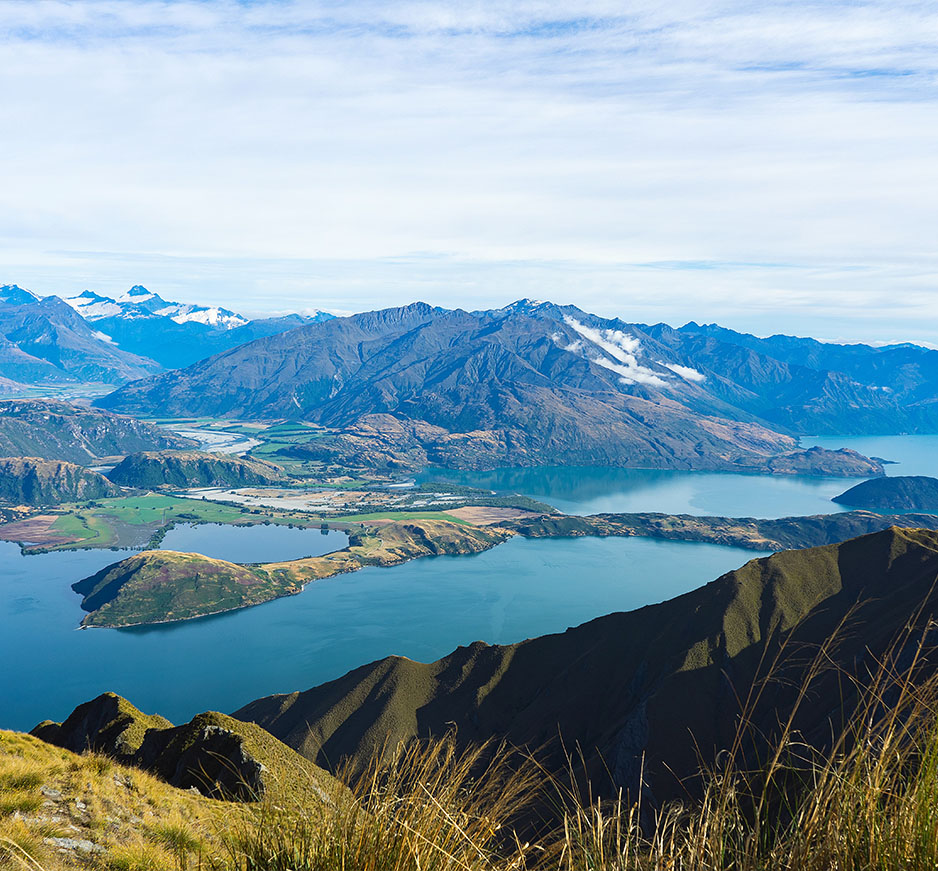


Gallery
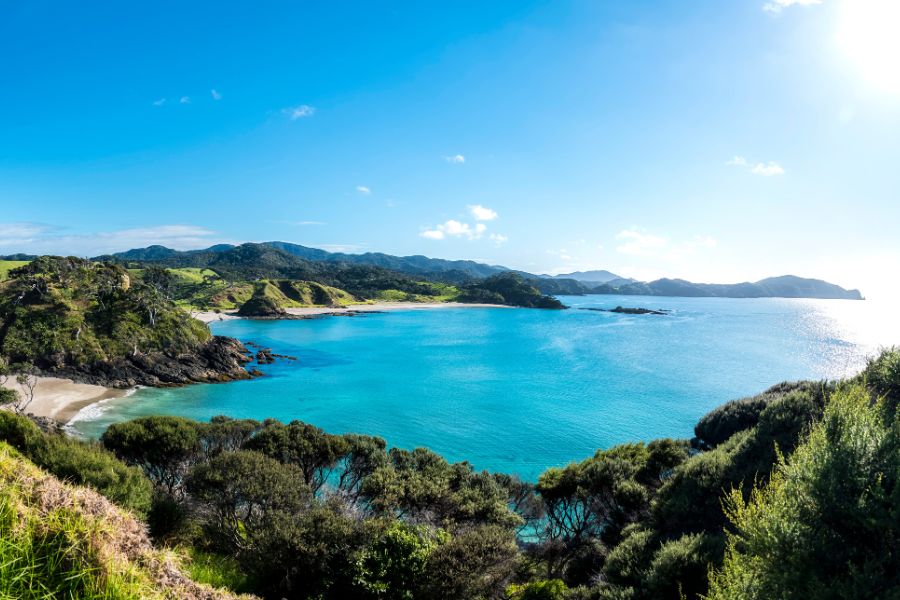
The Bay of Islands, New Zealand
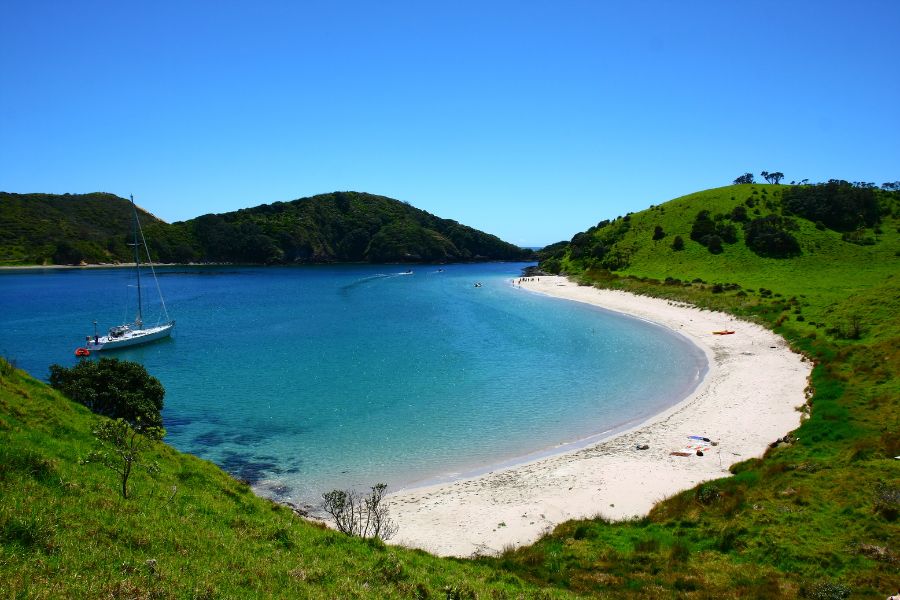
A beach in the Bay of Islands
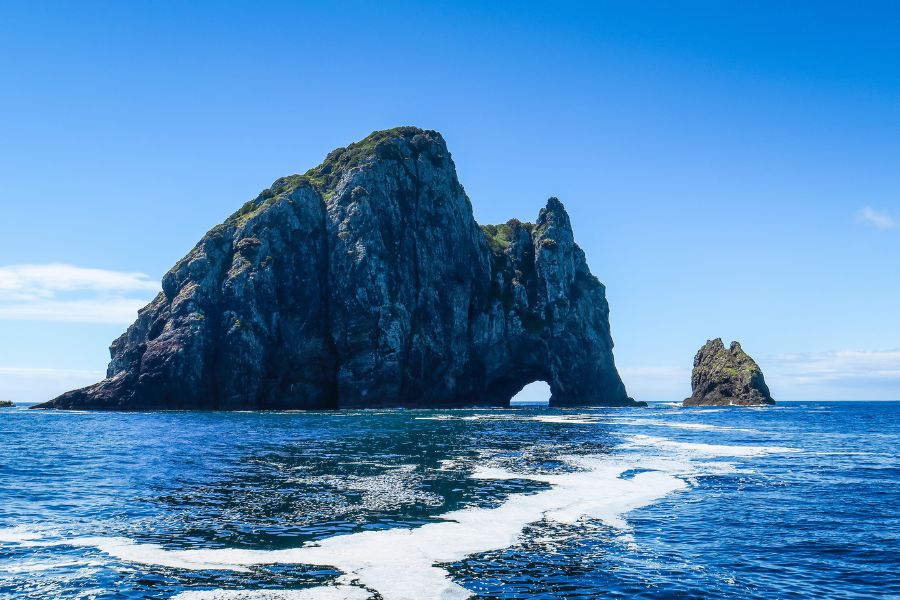
Hole in the rock, Bay of Islands
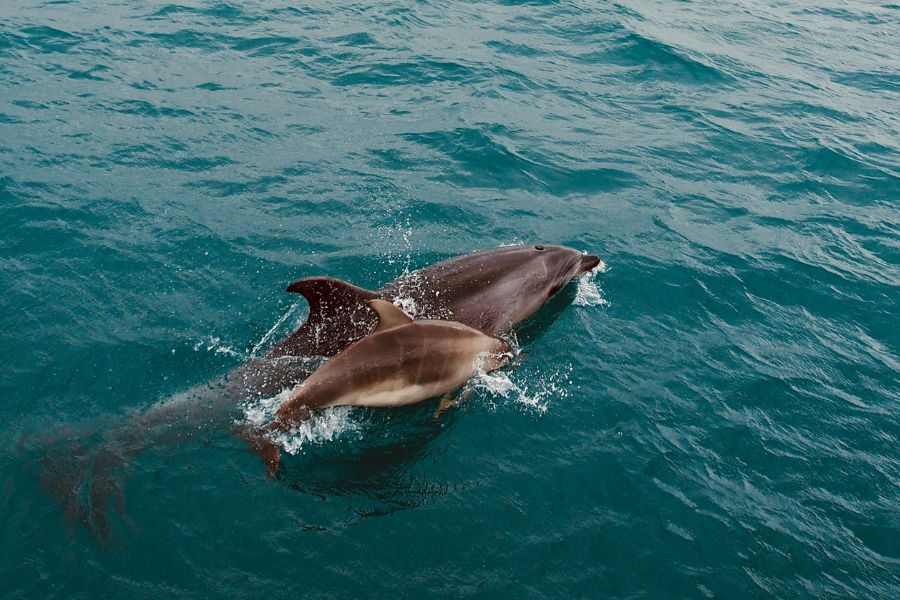
Dolphins in the Bay of Islands
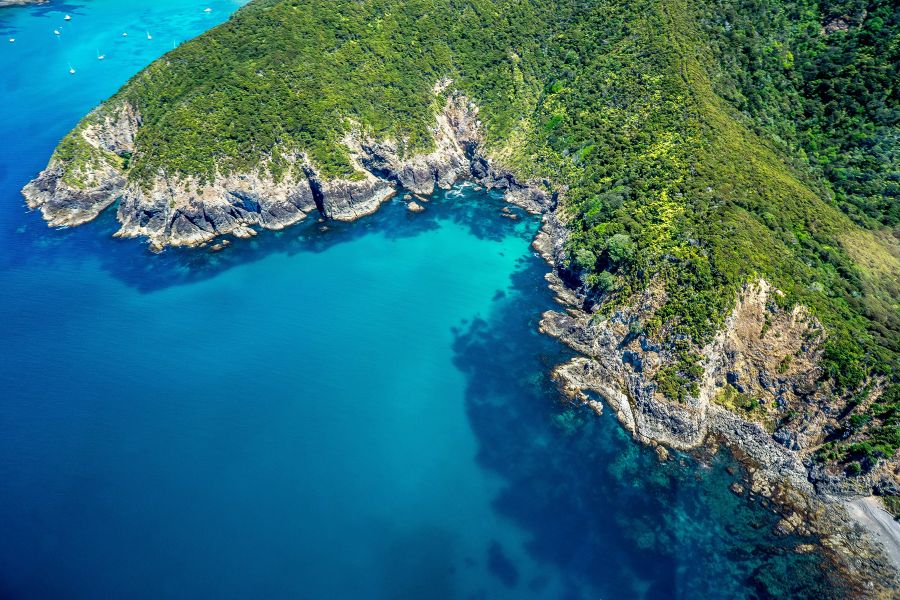
Bay of Islands, New Zealand
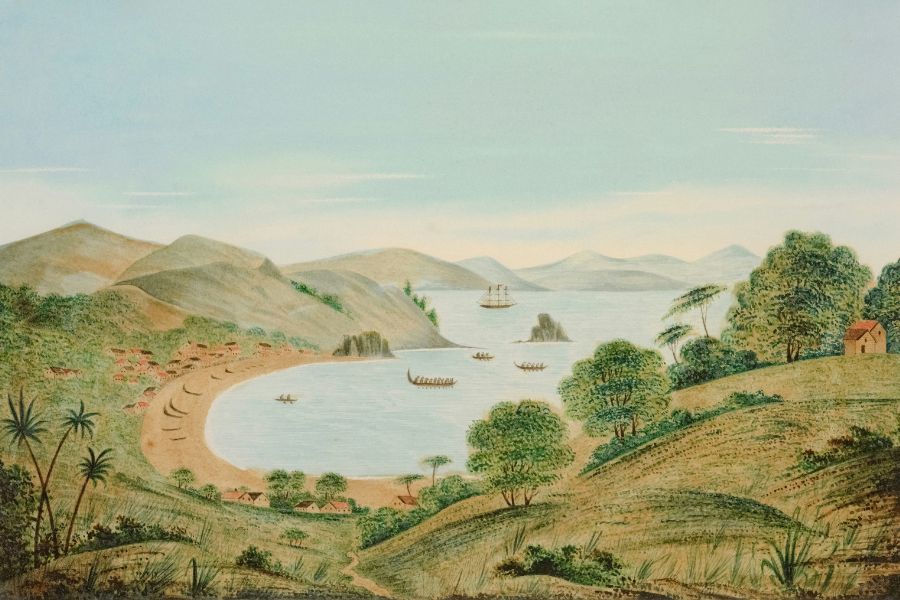
Kororareka Beach, Bay of Islands, New Zealand, by Thomas Gardiner, circa 1856
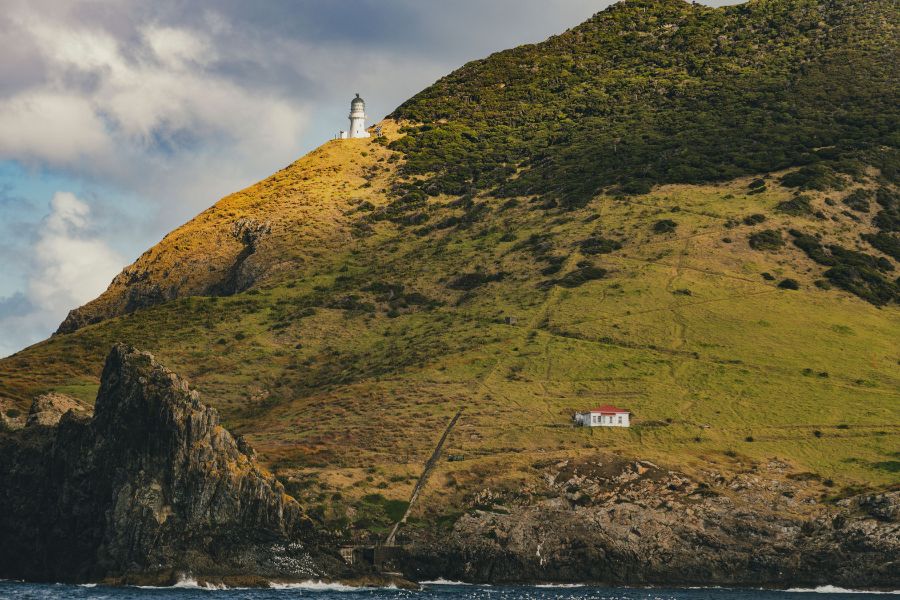
Cape Brett Lighthouse, Bay of Islands
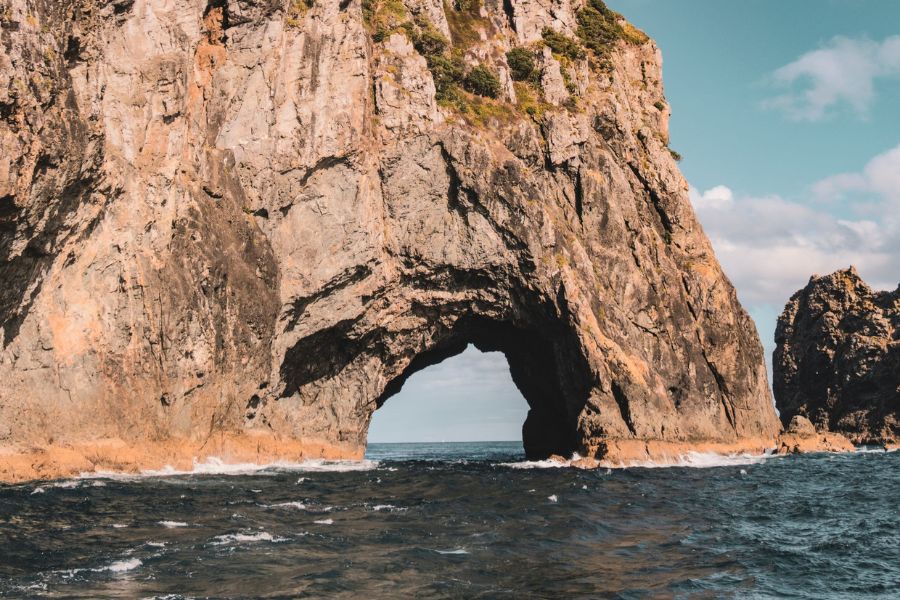
Hole in the rock, Bay of Islands
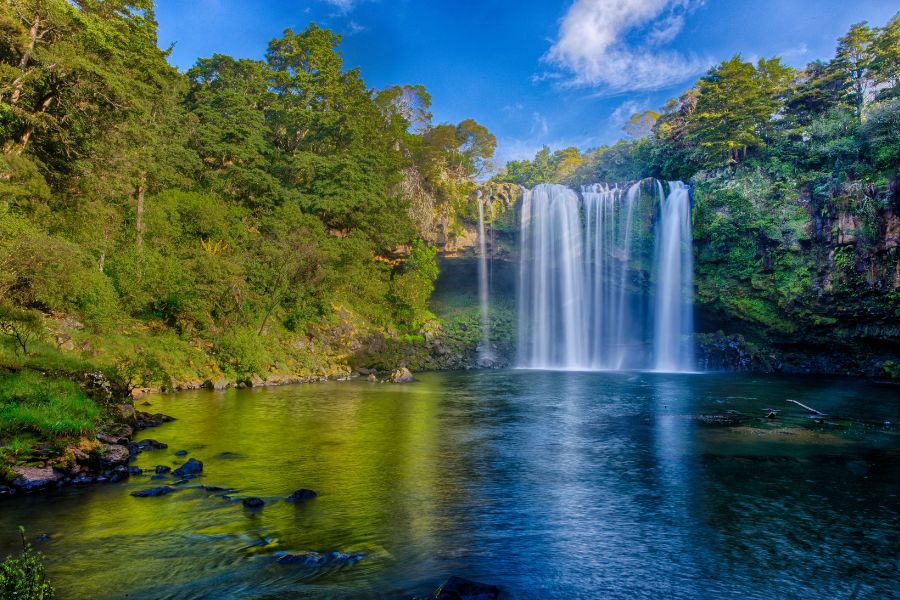
Rainbow Falls, Bay of Islands


Our favourite places to stay in the Bay of Islands


Plan your holiday with us today
Our team of travel specialists are ready to help you plan your next adventure. Enquiry lines are open 24/7
Good to know
Getting to the Bay of Islands
The Bay of Islands is approximately four hours’ drive north of Auckland, making it a natural addition to a journey through the North Island. Alternatively, domestic flights connect Auckland with Kerikeri’s Bay of Islands Airport in around 45 minutes, followed by a private transfer of approximately 25 to 35 minutes to Paihia. Helicopter transfers and scenic flights can also be arranged, providing spectacular views of the coastline and surrounding islands.
When Is The Best Time To Visit?
The Bay of Islands enjoys a mild, subtropical climate, with warm summers and relatively gentle winters. December to March offers the best conditions for sailing, swimming and exploring the islands, although January is particularly busy. November and April can be excellent alternatives, with fewer visitors and generally pleasant weather. Winter is quieter and cooler, with more frequent rainfall.
Can you swim with dolphins in the Bay of Islands?
Swimming with dolphins is not permitted within the Bay of Islands Marine Mammal Sanctuary. Dolphins and other marine wildlife can still be observed from boats, provided operators follow the strict regulations designed to protect them.
The Treaty of Waitangi
The Treaty of Waitangi was first signed on 6 February 1840 between representatives of the British Crown and Māori chiefs. Its interpretation and significance remain central to New Zealand’s national identity.
