

Patagonia Camp Torres del Paine
 Torres del Paine, Chile
Highlights
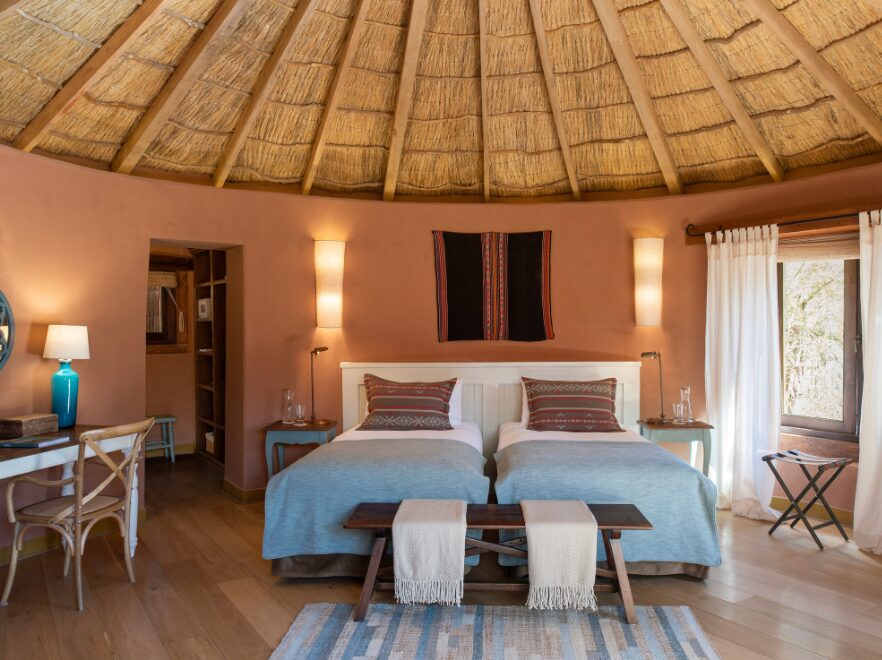
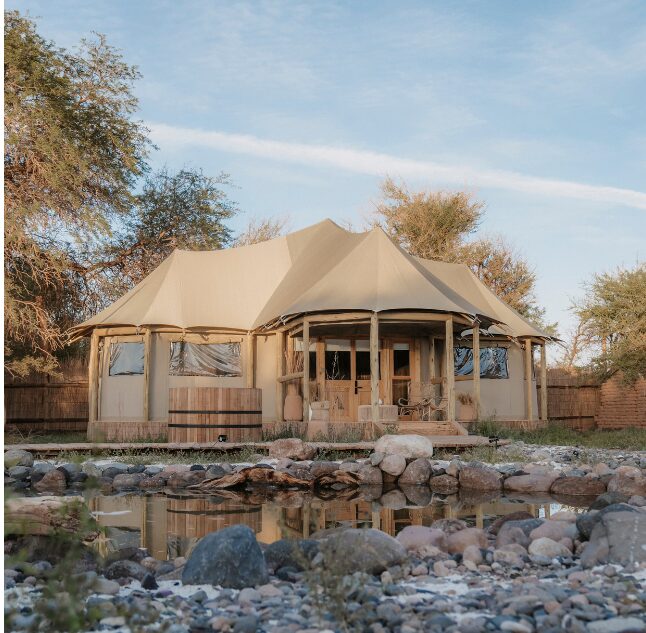
- Luxury yurts – Spacious, beautifully designed yurts feature private terraces, cosy interiors and sweeping views across lakes, mountains and the wild landscapes of Torres del Paine National Park. The top categories feature a hot tub to relax in at the end of a hard days trekking.
- Tailor-made adventures – Guided hikes, horse riding excursions and wildlife encounters are adapted to each guest, whether seeking gentle exploration or more challenging Patagonian trekking routes.
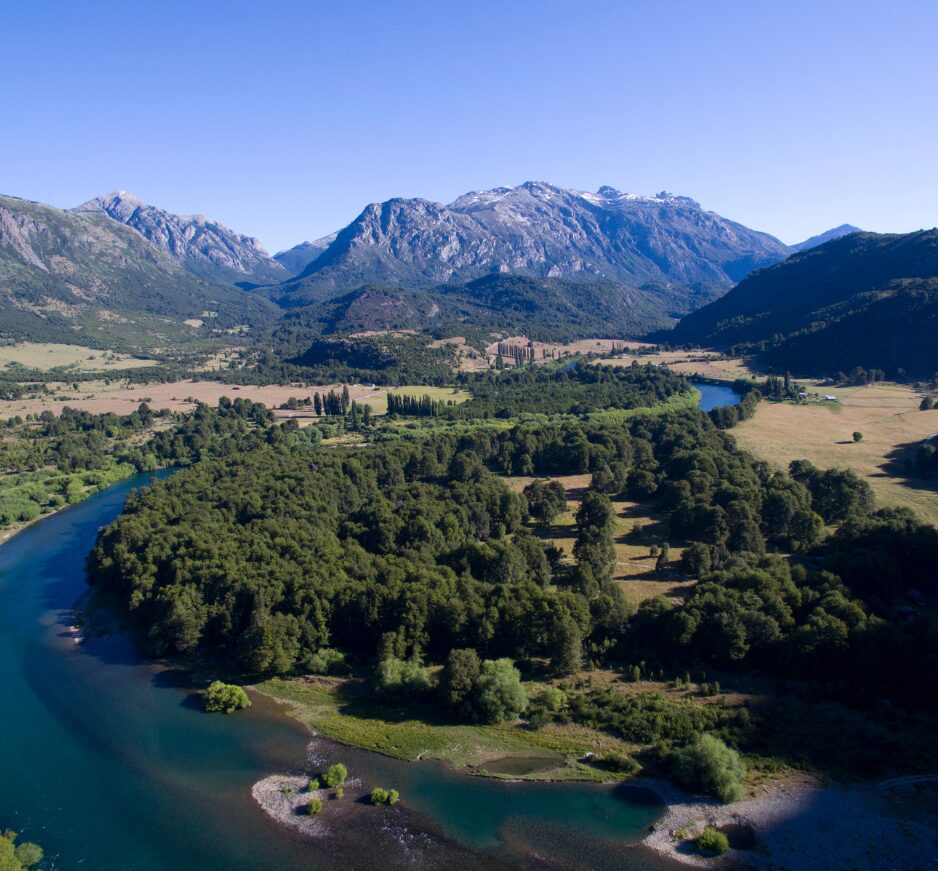
- Exceptional location – Set beside Lake Toro, Patagonia Camp offers easy access to Torres del Paine while maintaining a wonderfully secluded atmosphere immersed in untouched wilderness.
- Sustainable ethos – Built with a strong eco-tourism philosophy, the camp combines low-impact design with meaningful conservation initiatives supporting the surrounding Patagonian ecosystem and local communities.
- Memorable dining – Seasonal menus showcase regional flavours and fresh local ingredients, complemented by excellent Chilean wines enjoyed after days spent exploring the dramatic outdoors.
- Immersive wilderness experiences – From condor-spotting to evenings beneath glittering southern skies, every experience encourages a deeper connection with Patagonia’s raw beauty and remarkable sense of scale.
- Vast private lands – with 34,000 hectares of private protected Patagonian Wilderness surrounding the camp, you can explore where others can’t either with a guide or on your own.
Excursions
Patagonia camp includes a series of excellent excursions in small groups. Alternatively we can arrange for a private guide to meet you for a truly tailored experience. The excursions from the lodge include:
- Guided hiking trails – Explore Torres del Paine’s spectacular landscapes on expertly guided walks, ranging from gentle lakeside routes to challenging full-day treks through dramatic mountain scenery. Many of these can be self-guided and the lodge will give you a radio to contact them should you need it.
- Horse riding adventures – Ride alongside experienced gauchos across rolling Patagonian plains, remote valleys and scenic trails rarely visited by travellers exploring the national park.
- Wildlife-spotting excursions – Search for guanacos, foxes, condors and maybe even puma while learning about Patagonia’s unique ecosystem from knowledgeable local guides.
- Scenic kayaking experiences – Paddle across calm Patagonian waters surrounded by rugged peaks and expansive wilderness, offering a peaceful perspective on the region’s extraordinary natural beauty.
- Cultural encounters – Gain insight into Patagonian heritage through visits with local communities, learning about traditional lifestyles, regional history and enduring gaucho culture.
- Photography-focused outings – Discover the best viewpoints and lighting conditions with guides who help guests capture Patagonia’s dramatic landscapes, wildlife and ever-changing skies.
Why we love Patagonia Camp

There is something truly magical about sleeping in a warm and cozy yurt with nothing but the fabric between you and the great outdoors. The sound of the wind and the soft light of dawn reminds you how far from a city you really are.
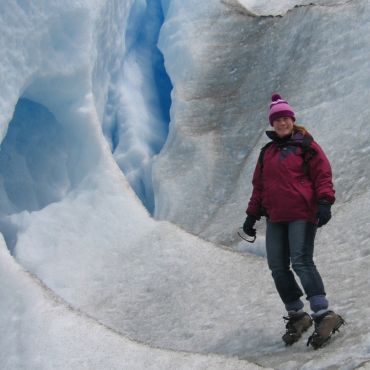
Start to planning your tailor-made trip by contacting one of our specialists

Gallery
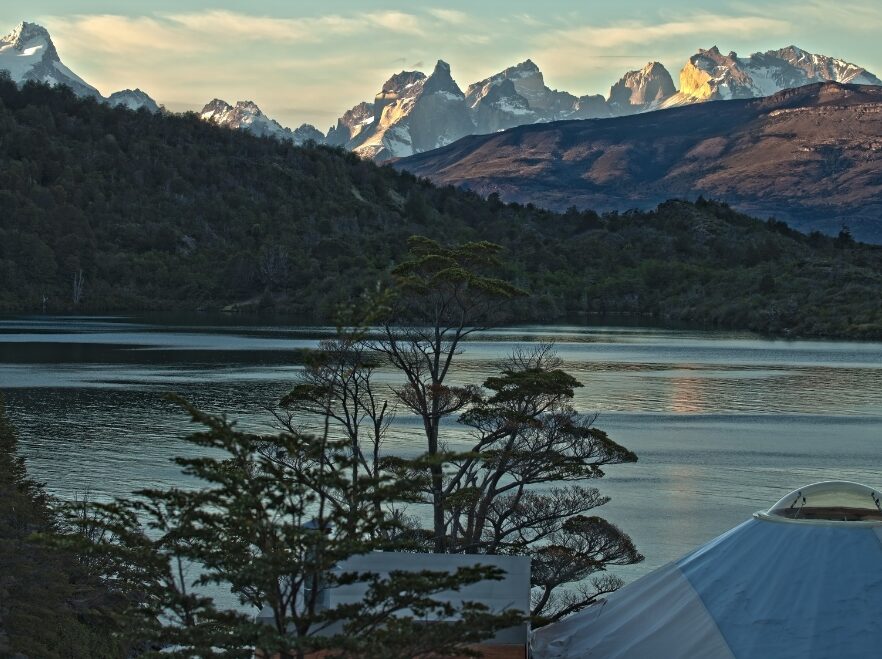
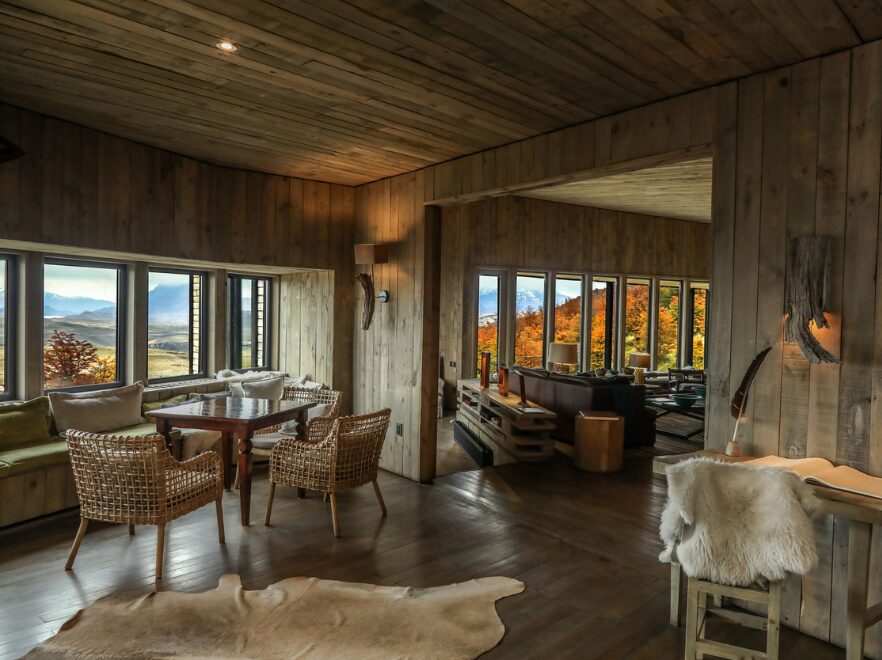
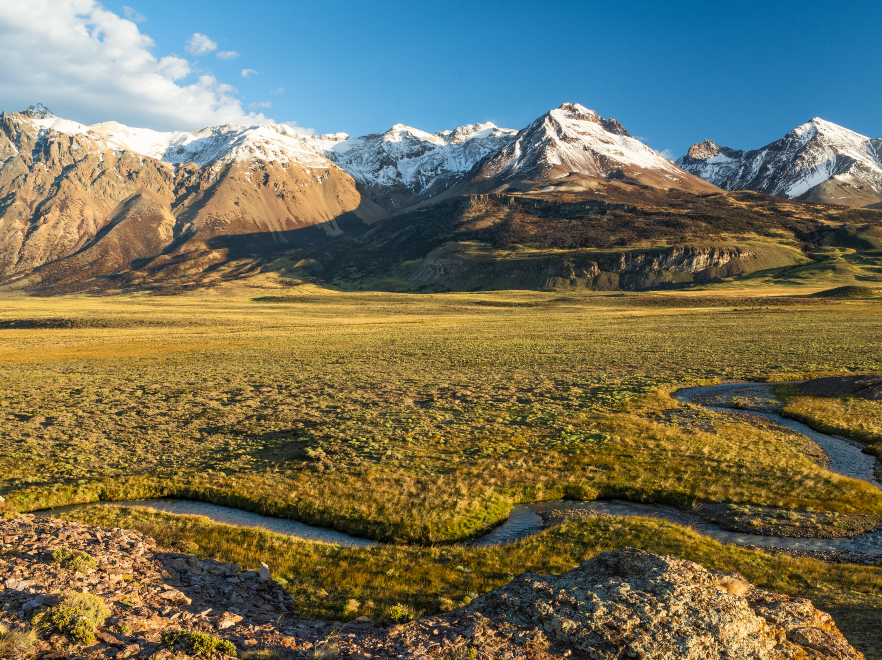
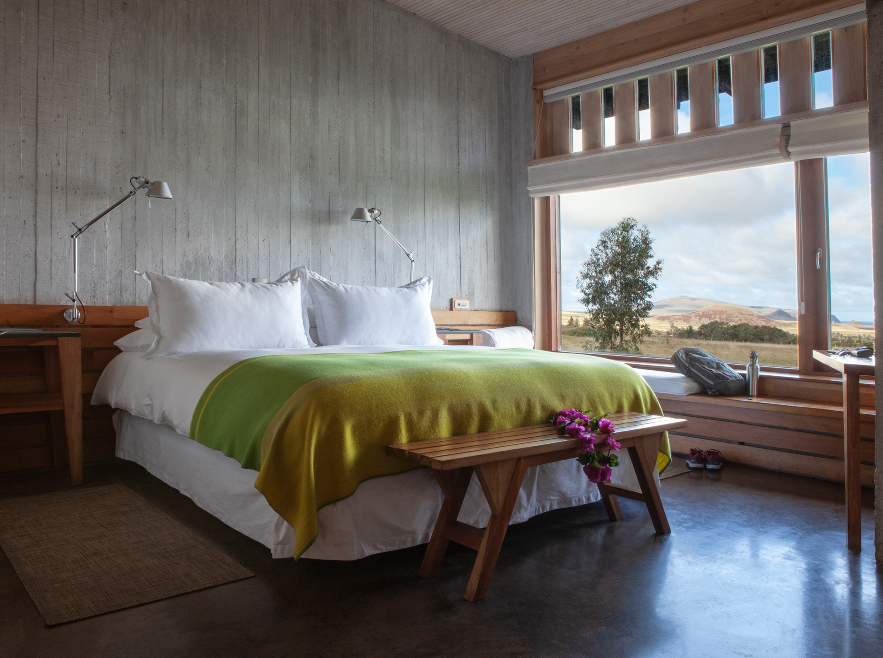
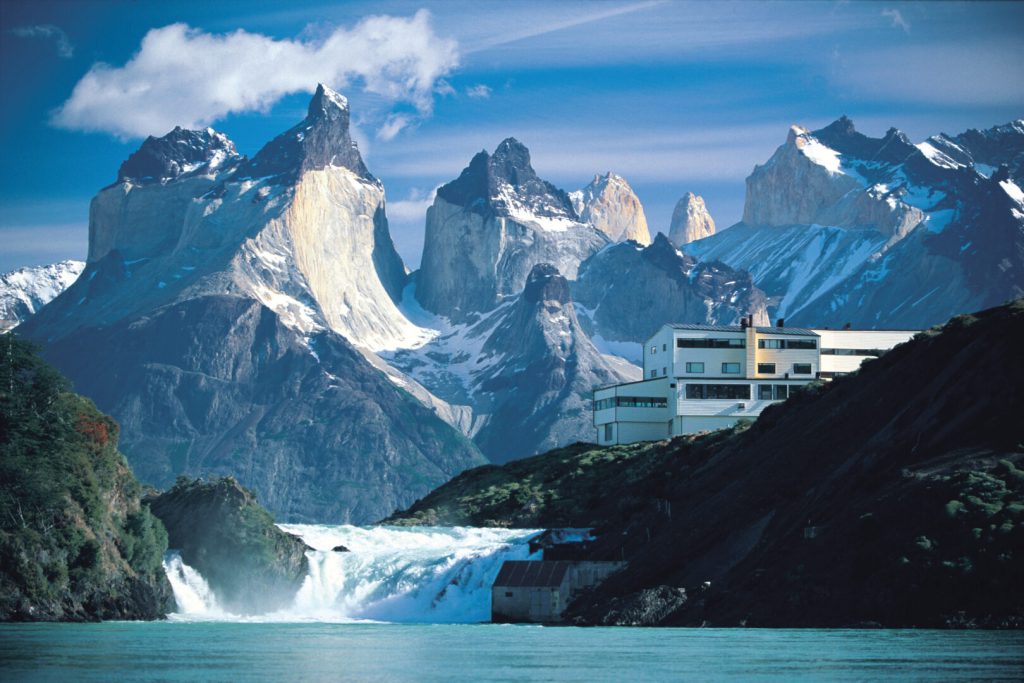
Views from Patagonia Camp
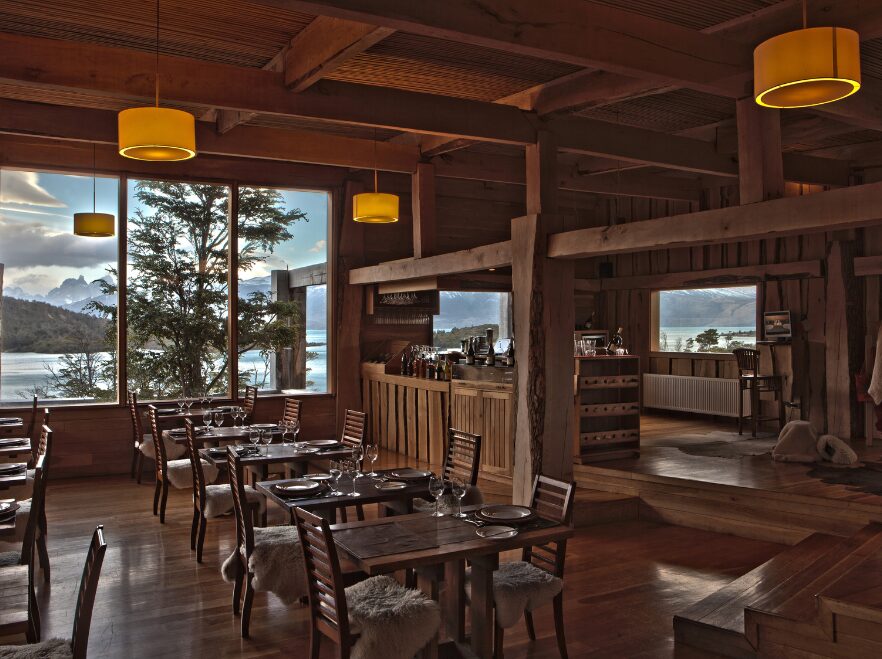
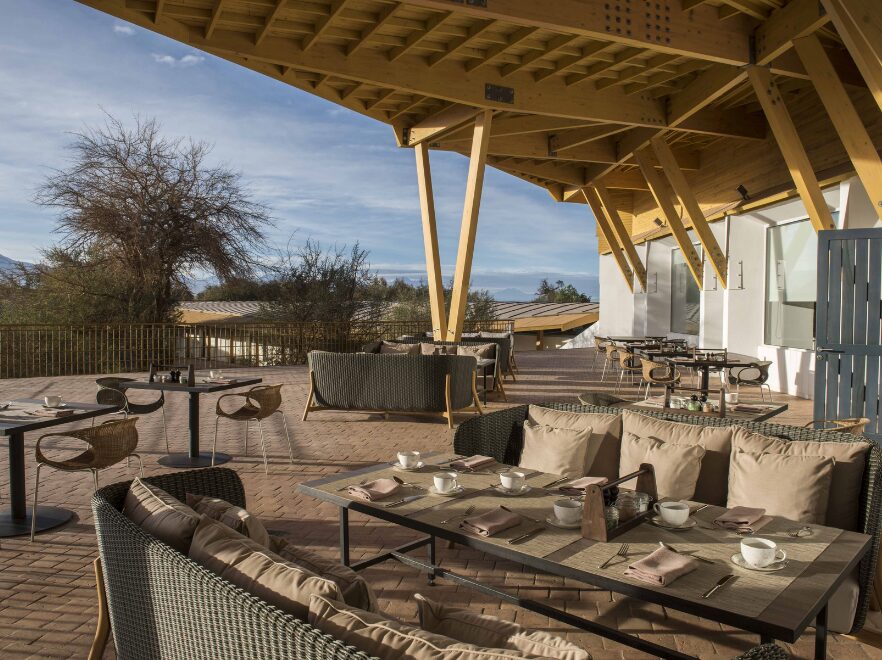
The restaurant at Patagonia Camp

Patagonia Camp at night
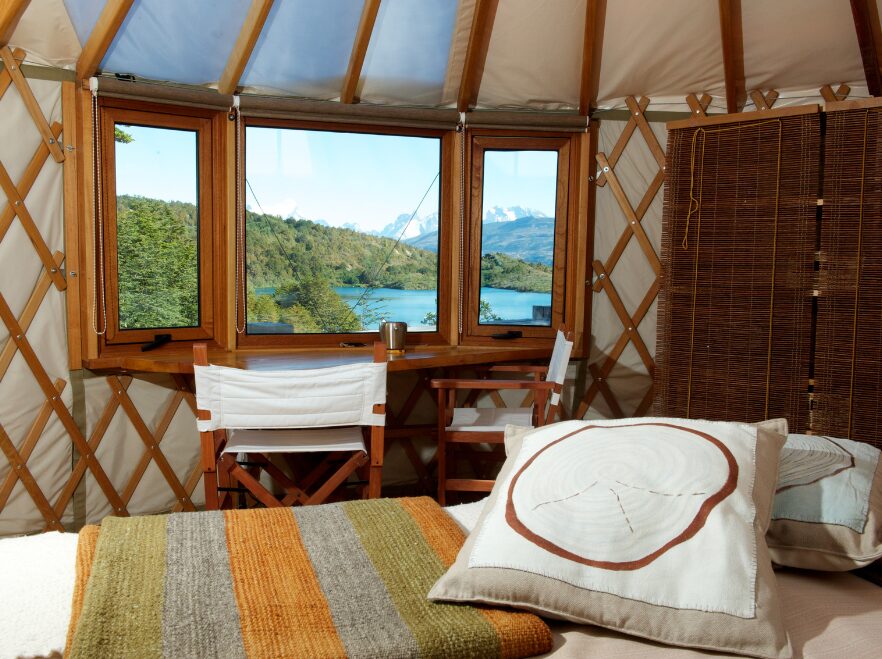
A Yurt at Patagonia Camp
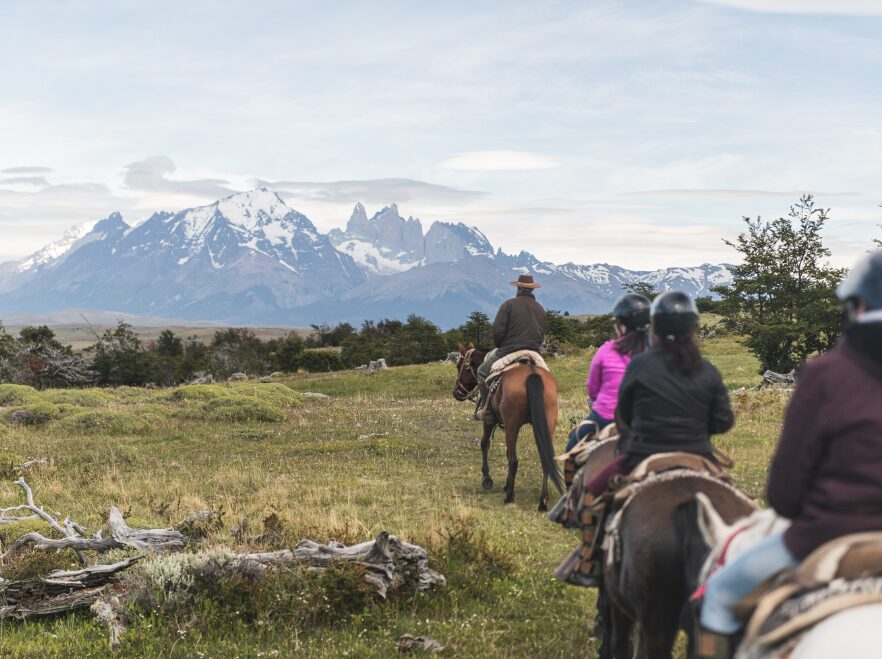
Horse riding from Patagonia Camp
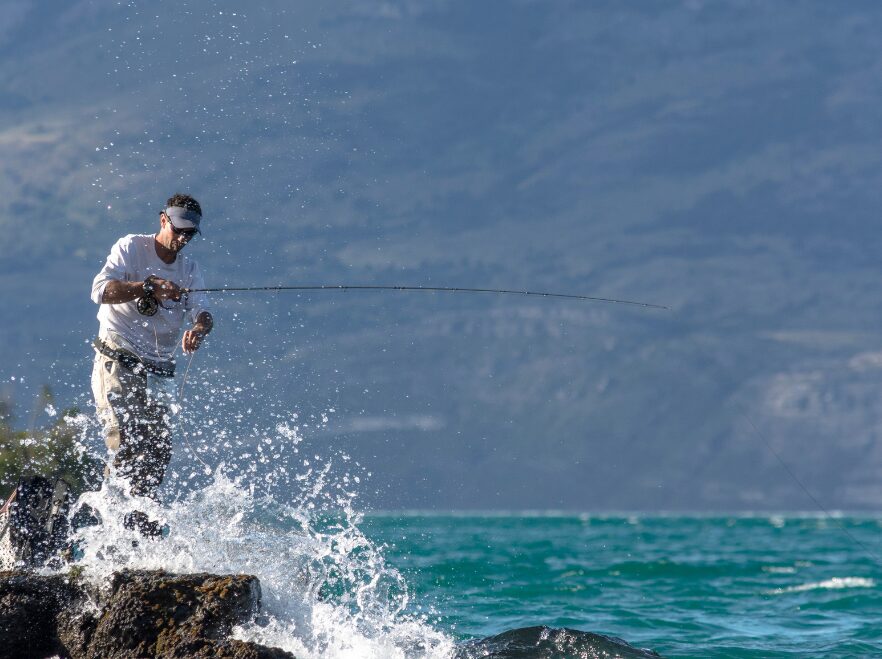
Fishing at Patagonia Camp
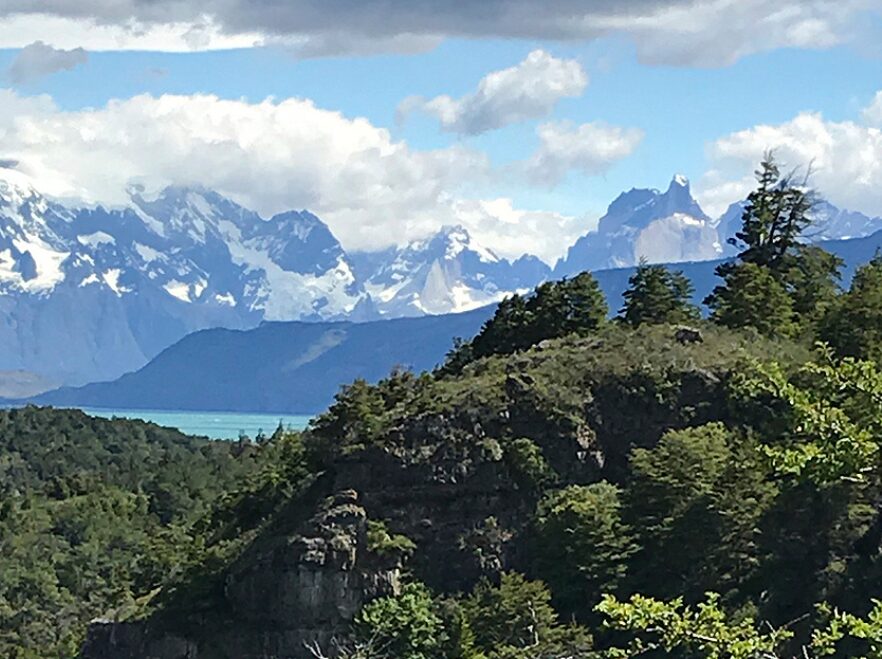
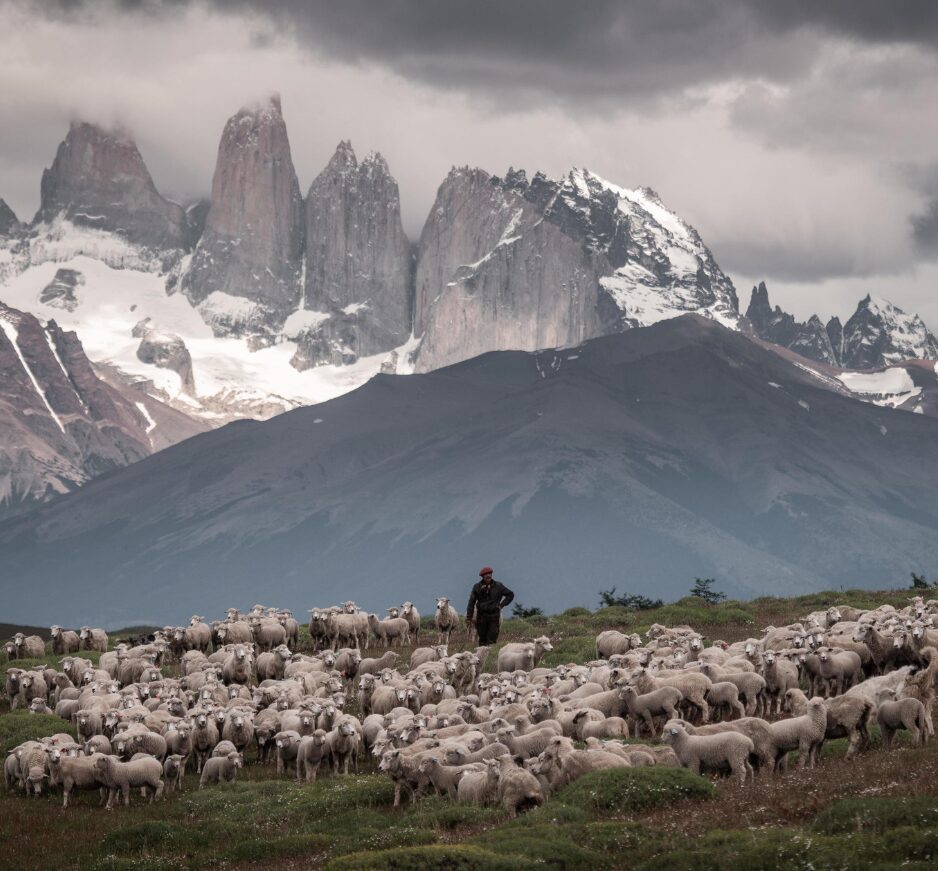
The Torres Massif
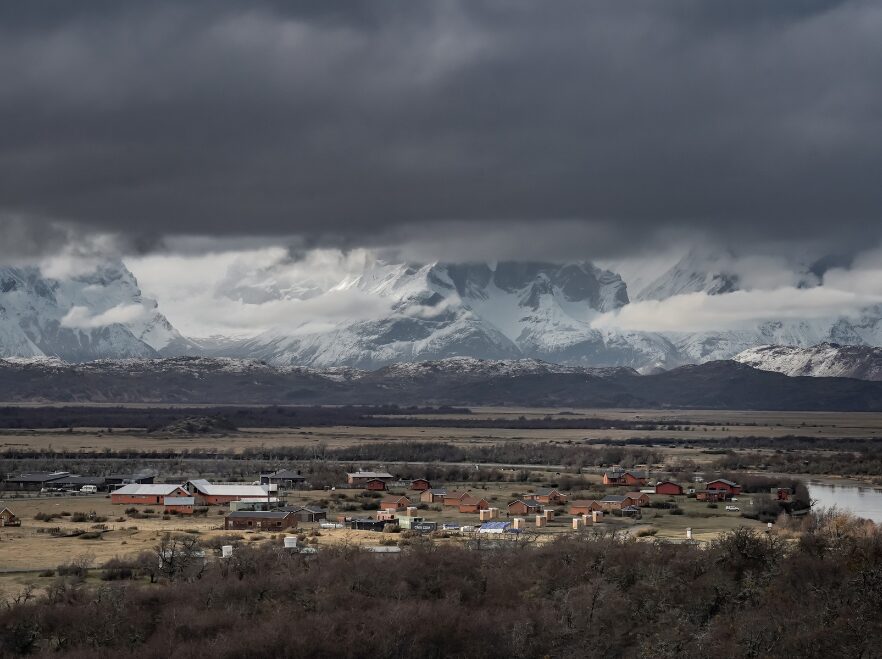
An estancia near Patagonia Camp
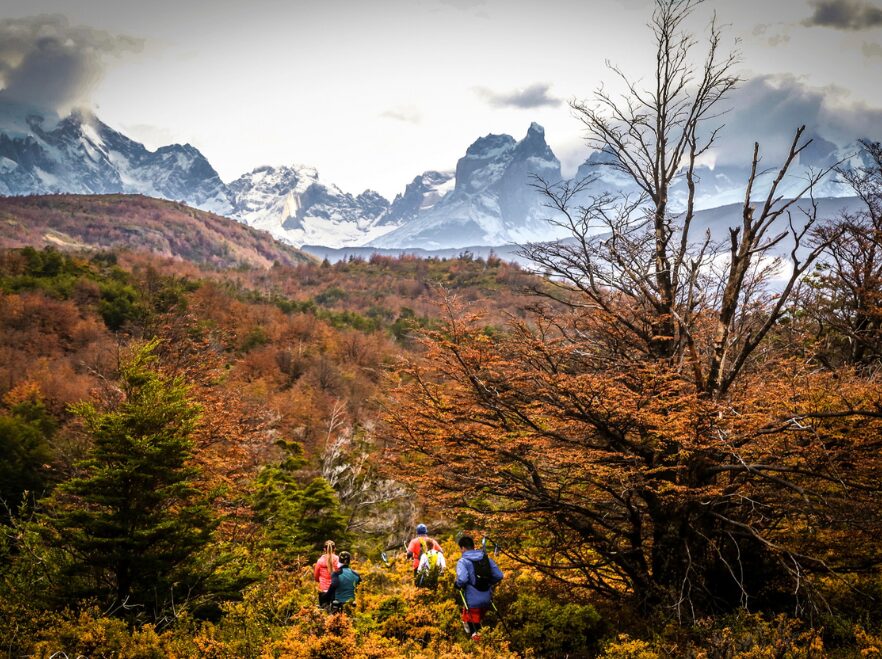
Hiking from Patagonia Camp


Luxury Chile trip ideas

Top Luxury Hotels + Lodges In Chile






Good to know
How to get there
From Puerto Natales, Patagonia Camp is around a two hour drive through the windswept landscapes of southern Chile. A transfer is included by the lodge.
From El Calafate in Argentina, the journey takes approximately five hours by road, including the border crossing into Chile. We recommend a private transfer for the smoothest experience, particularly for families or those combining both sides of Patagonia within one itinerary.
Are children welcome?
Yes, children are welcome at Patagonia Camp, and it works particularly well for adventurous families with older children (we’d recommend a minimum age of 10, although the camp will accept younger guests). Family Yurts provide additional space, while private excursions can be tailored to different ages and activity levels. Younger guests can enjoy gentle hiking, wildlife-spotting and horse riding, though some excursions have minimum age requirements for safety reasons. The camp’s remote wilderness setting and outdoor focus make it best suited to families who enjoy nature, exploration and active experiences together.
Giving back
Patagonia Camp places sustainability at the heart of the experience, operating with a strong eco-tourism philosophy designed to protect the fragile landscapes surrounding Torres del Paine. The camp was carefully constructed on stilts to minimise impact on the terrain, while yurts blend low-impact design with energy-efficient systems and responsible water management practices.
Conservation initiatives include native tree planting, habitat protection and partnerships supporting local environmental projects. The camp also prioritises locally sourced produce, works closely with nearby communities and encourages guests to engage more thoughtfully with Patagonia’s ecosystem through guided educational experiences and low-impact excursions.
What's included
- Accommodation and dining – Stays include luxury yurt accommodation, daily breakfast, lunch and dinner, with menus showcasing fresh regional ingredients and Patagonian-inspired cuisine.
- Open bar – House wines, local beers, spirits and soft drinks are included, allowing guests to unwind after a day exploring Patagonia’s extraordinary wilderness landscapes.
- Guided excursions – A wide selection of guided hikes, horse riding adventures and wildlife-focused experiences are included, tailored to guests’ interests, fitness levels and preferred pace.
- National park access – Entrance fees to Torres del Paine National Park are included, ensuring seamless access to one of South America’s most remarkable protected wilderness areas.
- Shared transfers – Scheduled shared transfers between Patagonia Camp, Puerto Natales and Punta Arenas are typically included as part of the stay, depending on the programme booked.
- Expert guiding – Experienced bilingual guides accompany excursions, offering valuable local insight into Patagonia’s landscapes, wildlife, culture and conservation efforts throughout each experience.
