

Why visit Québec Province
Québec is one of Canada’s most distinctive provinces, blending European heritage with vast natural landscapes. Its French roots run deep – from the cobbled streets of Québec City to the lively cafés and galleries of Montréal. The language, cuisine and customs give the region a character unlike anywhere else in the country.
- Montréal: A dynamic, bilingual city known for its festivals, creative energy and diverse food scene. From neighbourhood crêperies to refined contemporary kitchens, its culinary culture is matched by a year-round calendar of music, film and art.
- Charlevoix: Overlooking the St Lawrence River, this region is known for rolling farmland, river views and independent food producers. Small villages, local studios and scenic driving routes make it well suited to a slower pace.
- The Gaspé Peninsula: Rugged cliffs, wide beaches and coastal trails define this remote corner of Québec. Highlights include Percé Rock and Forillon National Park, both rich in wildlife and maritime scenery.
- Île d’Orléans: Just a short drive from Québec City, this pastoral island feels far removed from the mainland. Known for heritage farmsteads, vineyards and artisan producers, it is an excellent place to sample local cider, cheeses and seasonal fruit, particularly strawberries in summer. A circular road passes 18th-century stone houses, farm stands and broad views across the St Lawrence River – a peaceful stop-off steeped in history and flavour.
- Laurentian Mountains: North of Montréal, this forested region offers outdoor pursuits throughout the year. Expect vivid autumn foliage, quiet lakes and established ski areas in winter, including Mont-Tremblant.
- Saguenay-St Lawrence Marine Park: One of Canada’s most important whale habitats. Belugas, minkes and occasionally blue whales can be spotted from the shoreline or by boat during peak season.

Start to planning your tailor-made trip by contacting one of our specialists

Canada trip ideas



Gallery
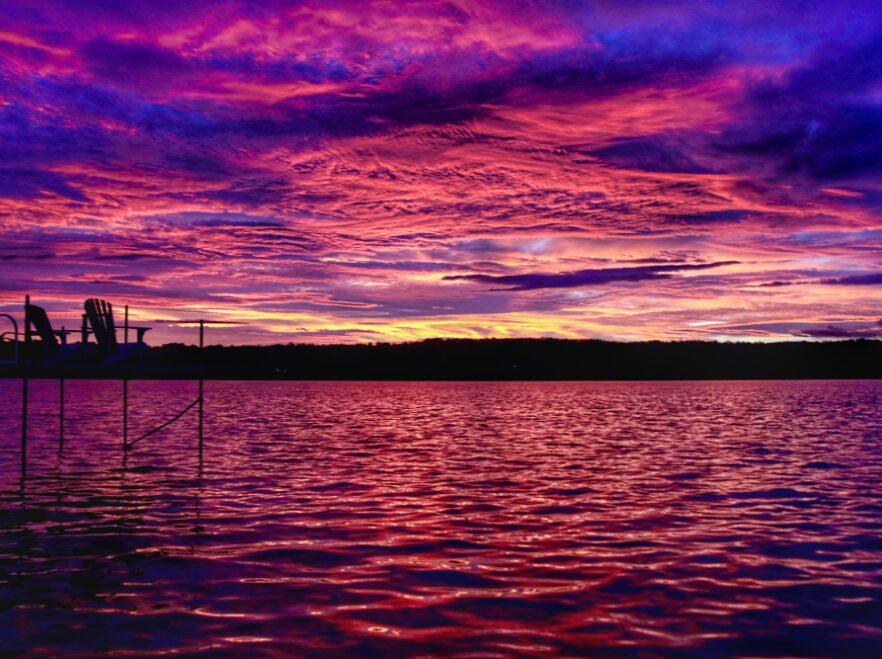
Sunrise over a lake in the Eastern Townships, Québec

A monk at the silent order of St Benoît du Lac, Québec
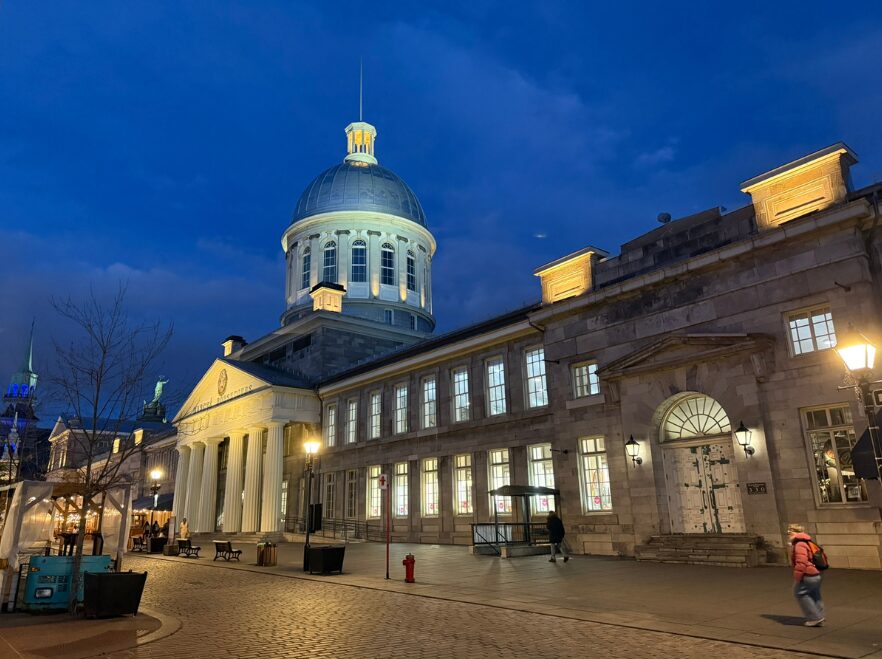
Montréal, Québec

Try your hand at curling in Montréal

Poutine is everything...
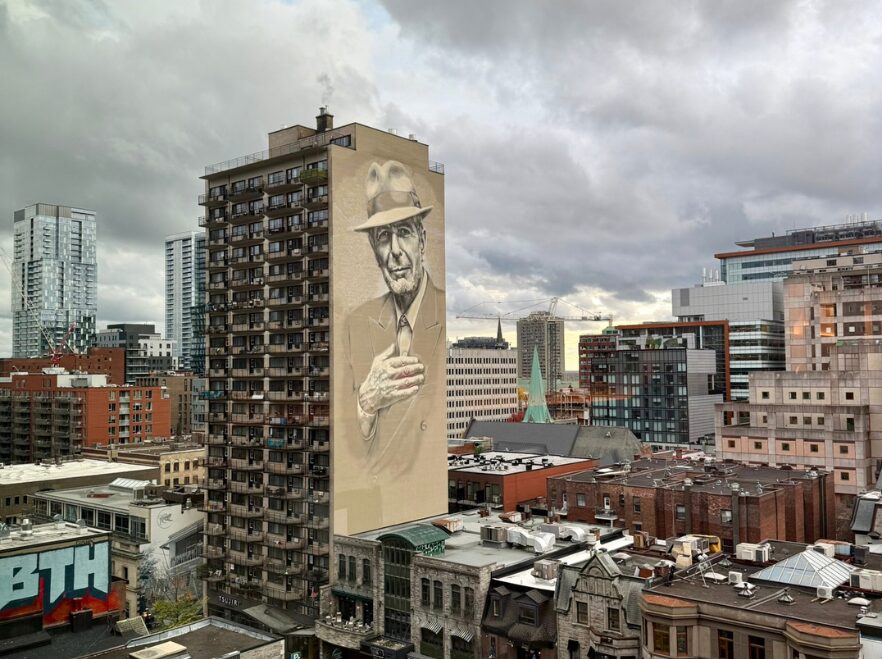
Leonard Cohen mural in Montréal

Mont Tremblant, Québec

Autumnal colours of Québec

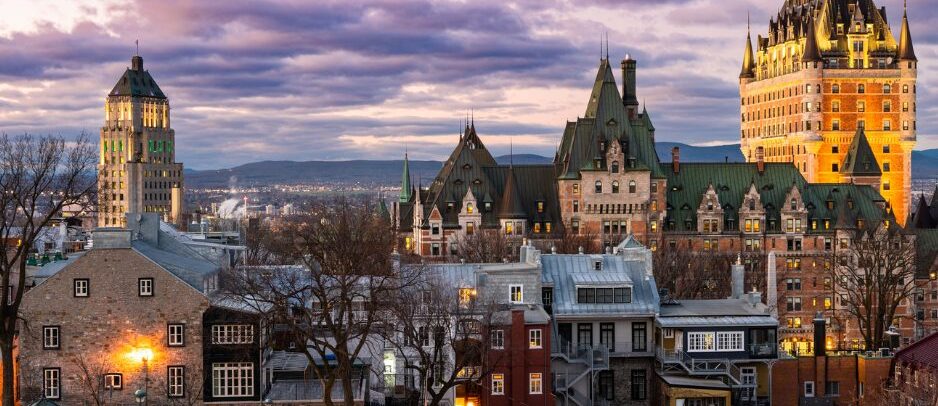
The centre of French Québec

Take part in the famous ice-canoe challenge in Québec (no experience necessary)

Relax by a lake in the Eastern Townships

Canada summed up in one image


Our favourite places to stay in Québec Province
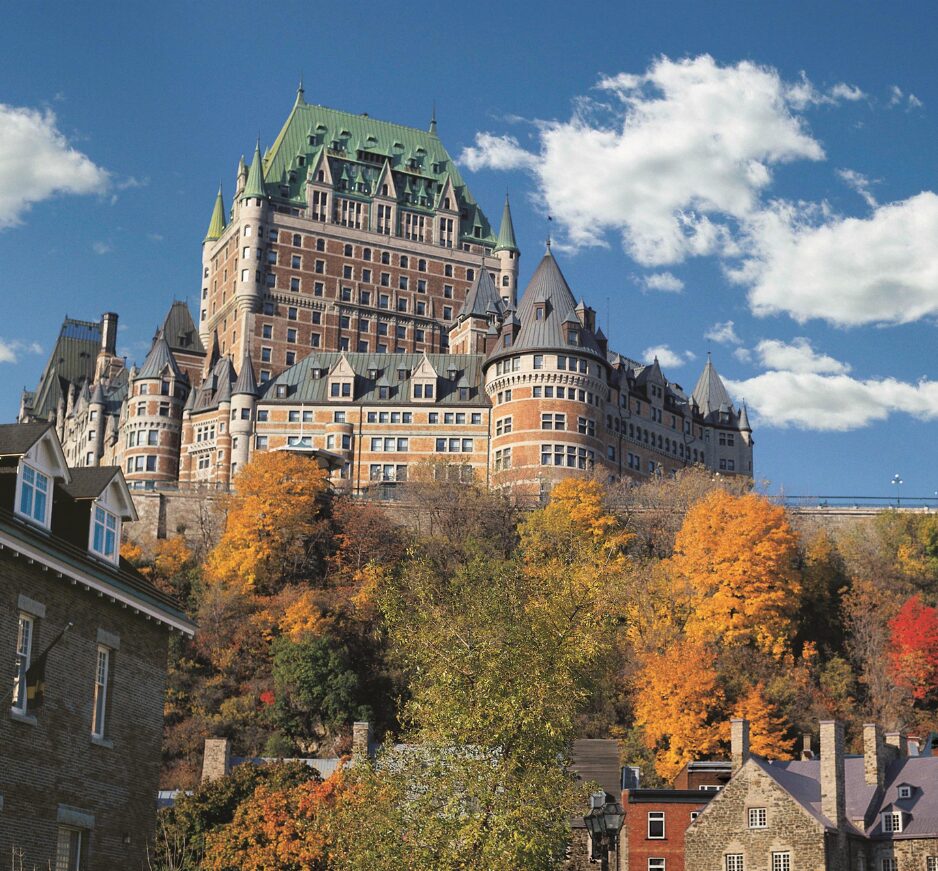
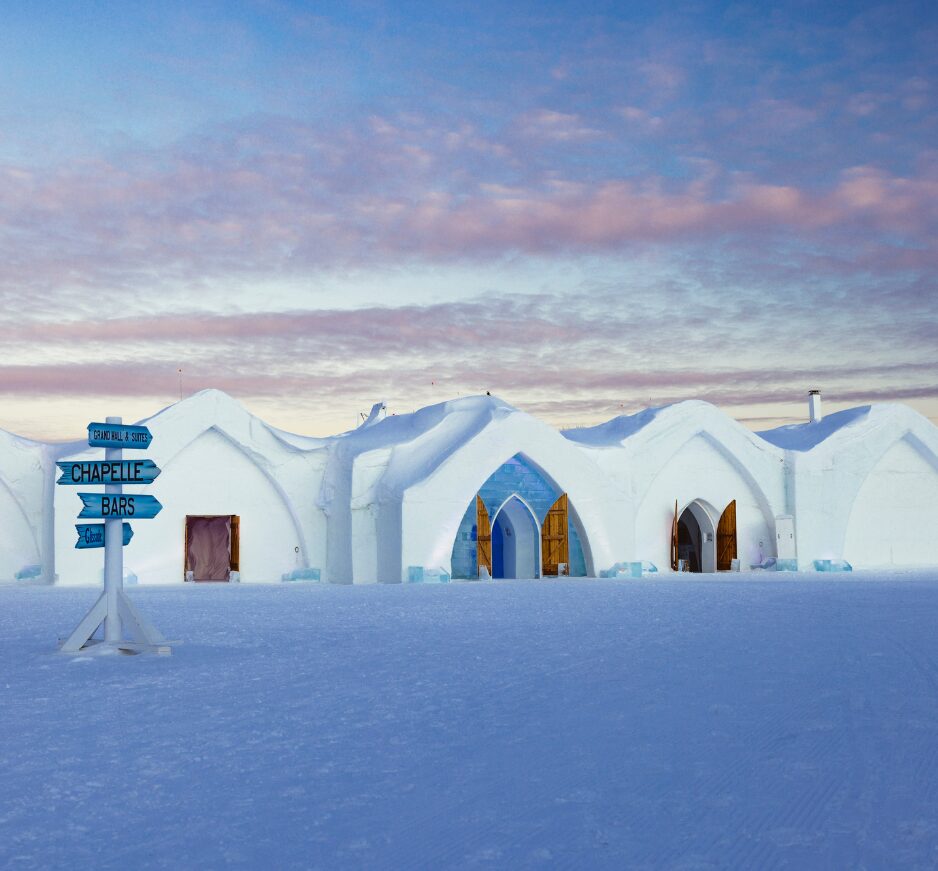
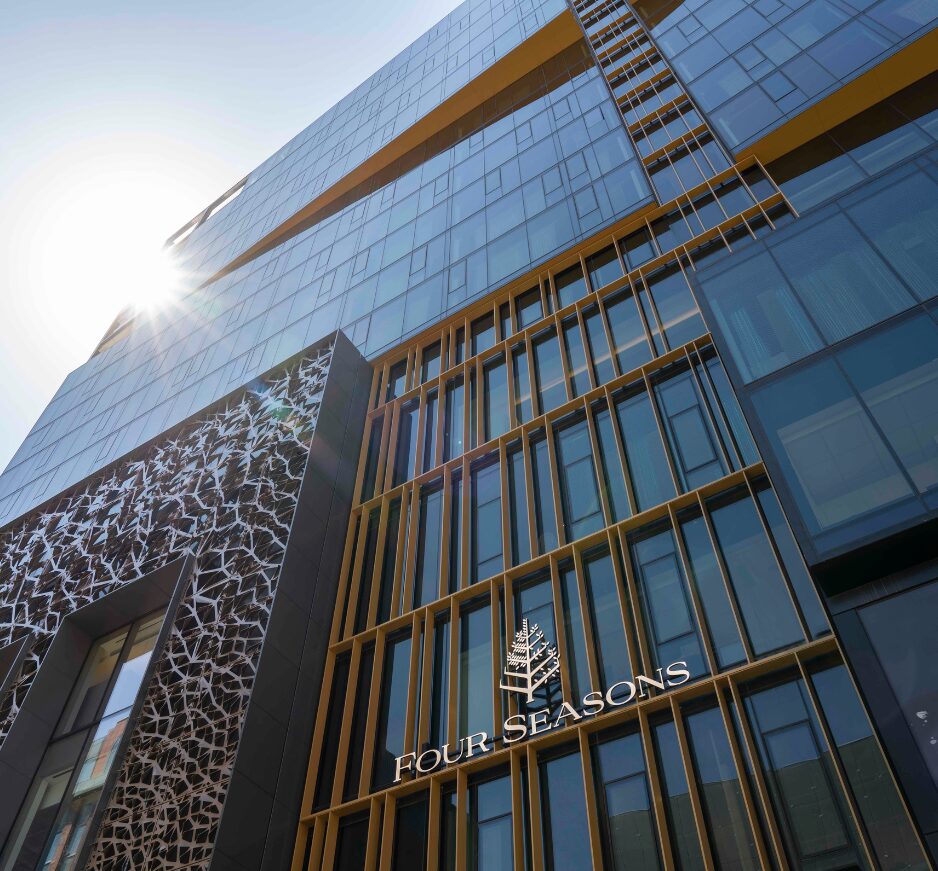
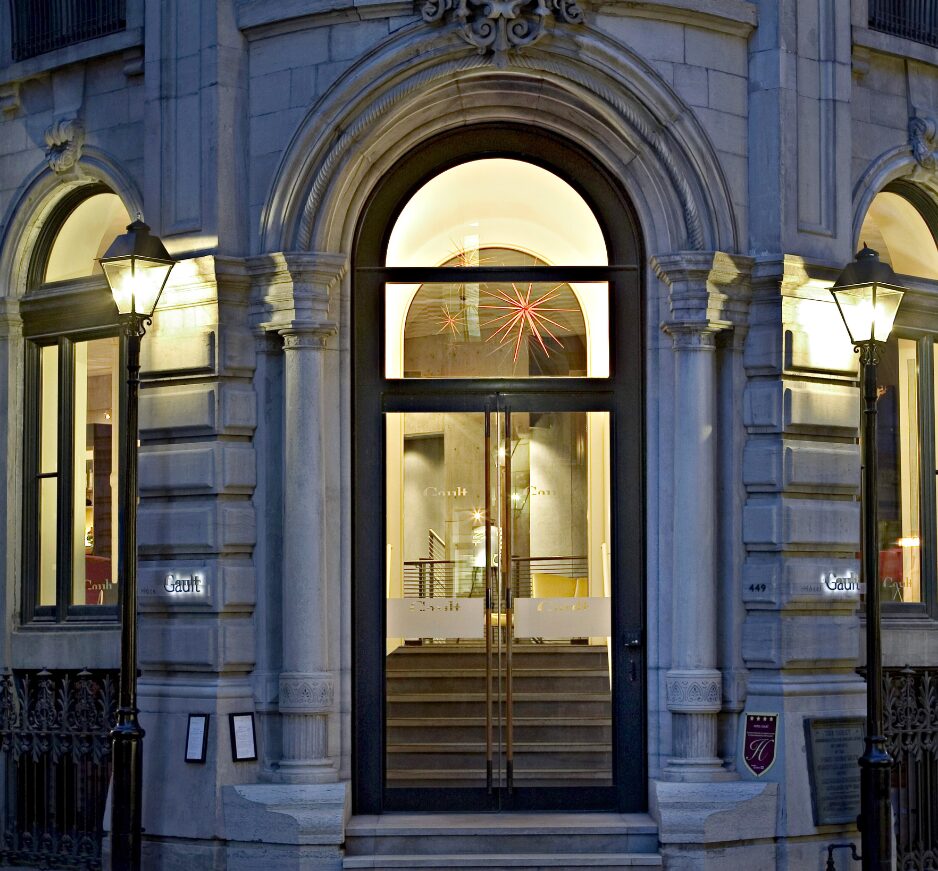
Plan your holiday with us today
Our team of travel specialists are ready to help you plan your next adventure. Enquiry lines are open 24/7
Good to know
Getting to Québec Province
There are regular flights from the UK and US to Montréal. Quebec City is easily reached via Paris or from major hubs in the US.
Domestic flights in Canada are efficient and operate between all major cities.
