

San Camp Makgadikgadi Salt Pans
 Makgadikgadi Salt Pans, Botswana
Highlights
- Iconic Location: San Camp is situated in the heart of the Makgadikgadi Salt Pans, offering an extraordinary and otherworldly desert landscape that stretches endlessly beneath a vast sky.
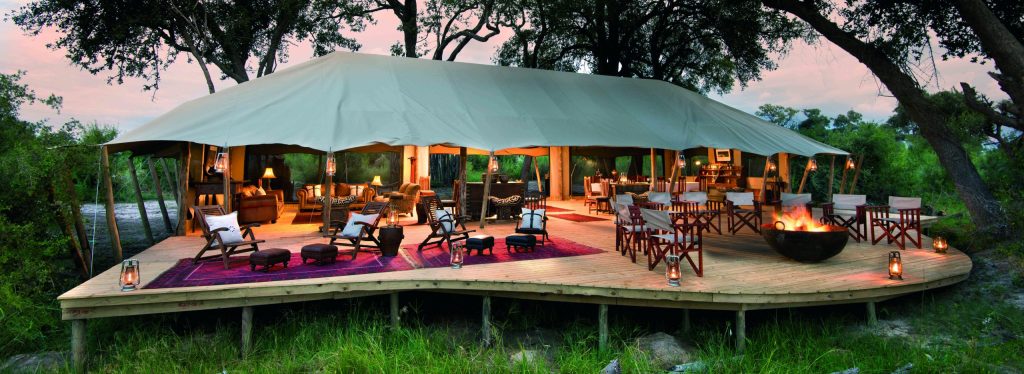
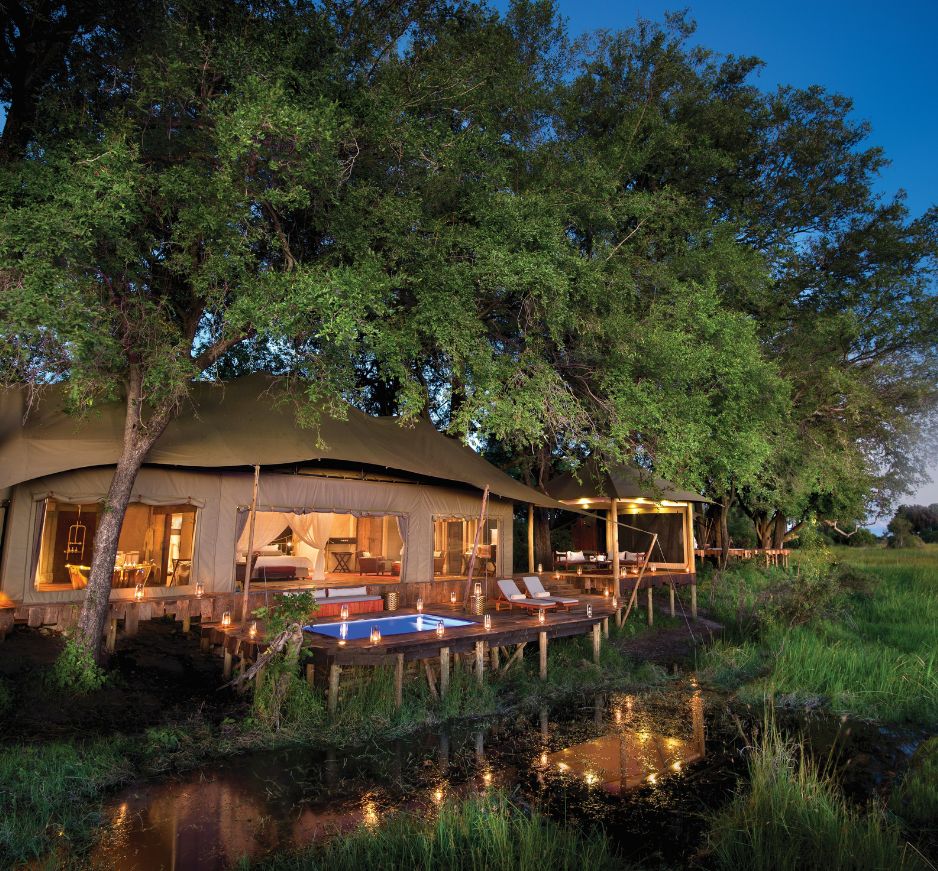
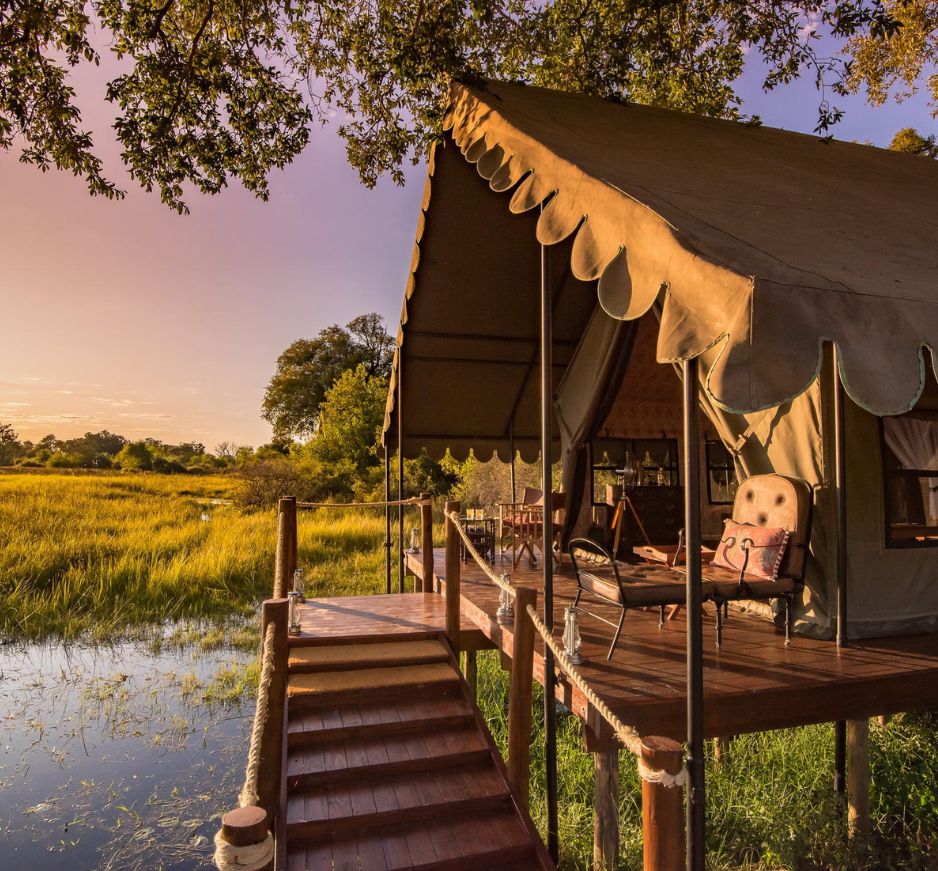
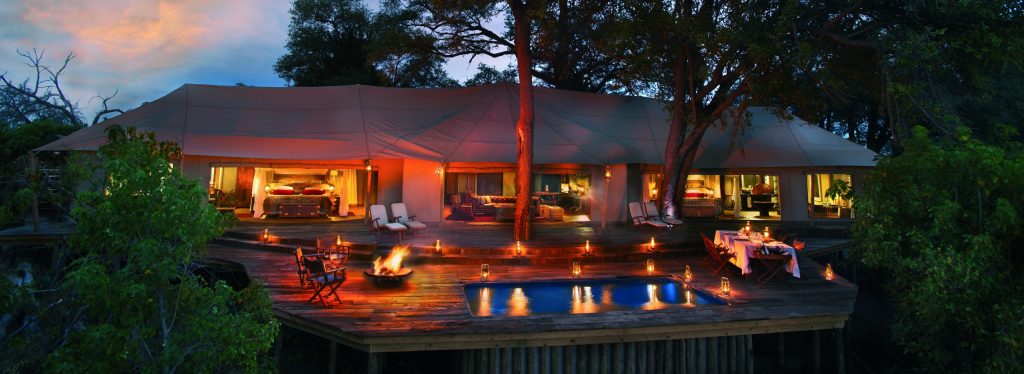
- Luxury Tent Experience: The camp boasts elegant white canvas tents with en-suite bathrooms, private verandas, and luxurious touches like four-poster beds and antique furniture, providing an intimate, high-end safari experience.
- Unique Wildlife Encounters: Witness rare wildlife in the salt pans, such as meerkats, brown hyenas, and desert-adapted species, along with seasonal zebra migrations that traverse the region.
- Cultural Immersion: The San Camp offers authentic interactions with the local San Bushmen, allowing guests to participate in guided walks and gain deep insights into their ancient survival skills and spiritual traditions.
- Stargazing: With no light pollution, San Camp is a stargazer’s paradise, offering breathtaking views of the Milky Way and the vast night sky.
- Seasonal Transformation: During the wet season, the salt pans transform into a shimmering, bird-rich wetland, drawing flocks of flamingos and other migratory birds for a truly unique seasonal spectacle.
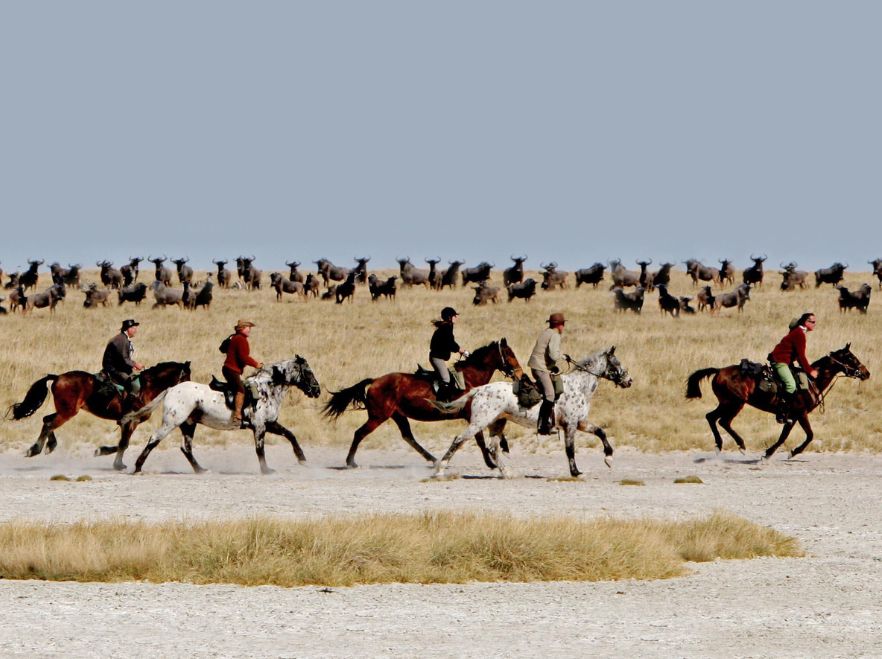
- Exciting Activities: San Camp offers thrilling activities such as horse riding across the vast salt pans and quad biking adventures, allowing you to explore this unique landscape in an exhilarating and memorable way.
Why we love San Camp

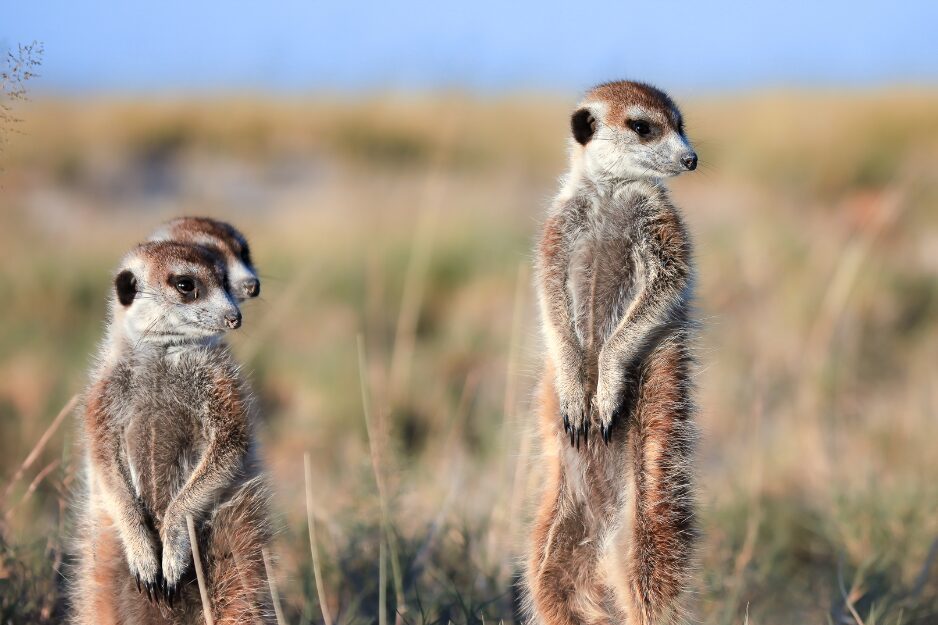
We absolutely love the incredible close encounters with the friendly meerkats, paired with the otherworldly beauty of the Makgadikgadi Pans—it’s truly breathtaking!

Start to planning your tailor-made trip by contacting one of our specialists

Gallery
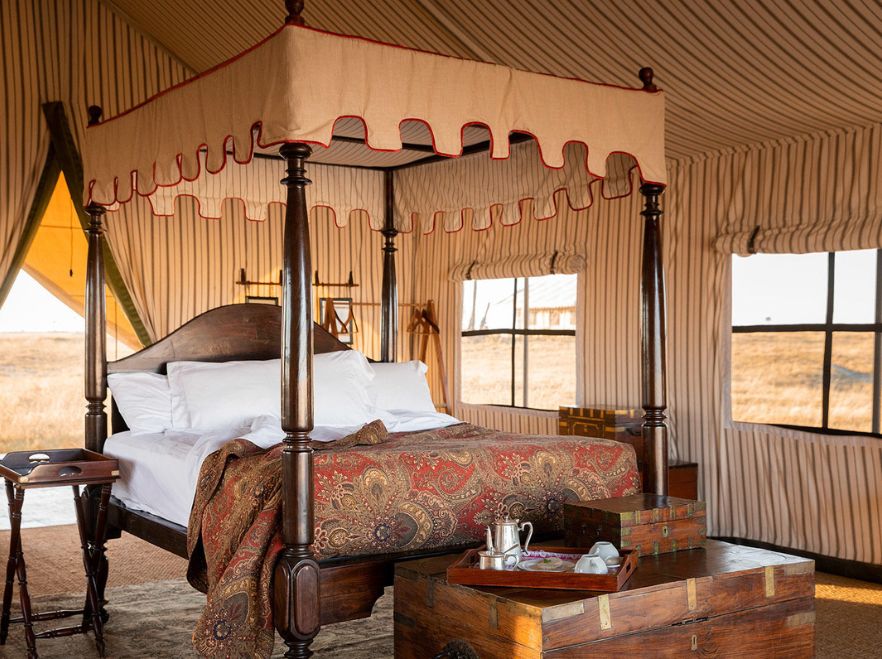
A Suite at San Camp, Botswana
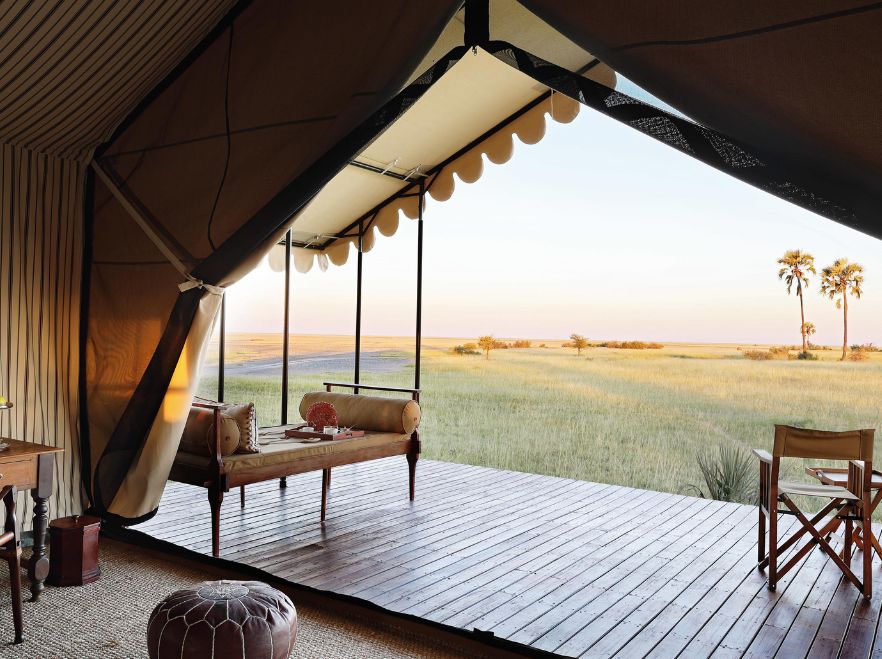
Suite view at San Camp, Botswana
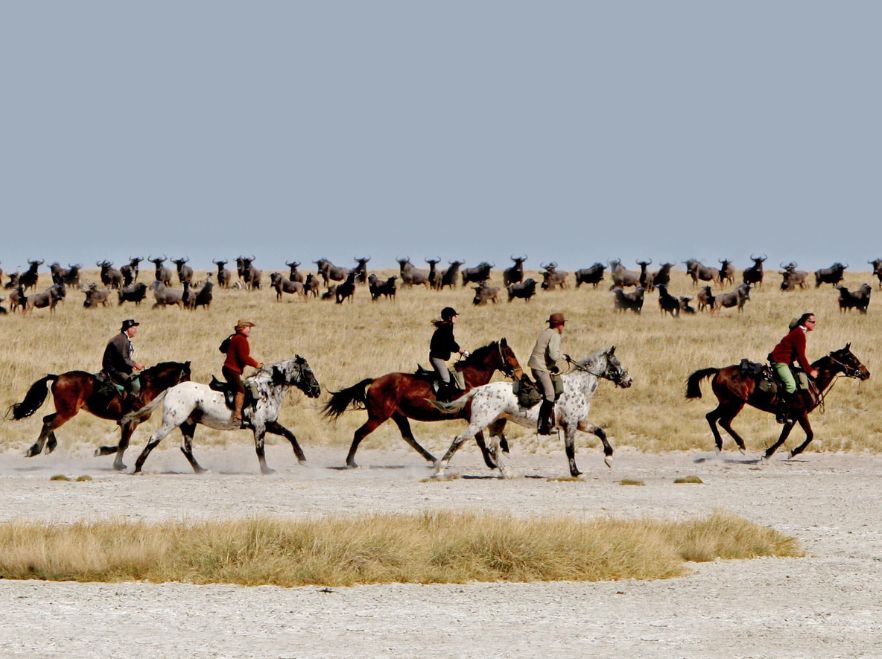
Horse Riding at San Camp, Botswana
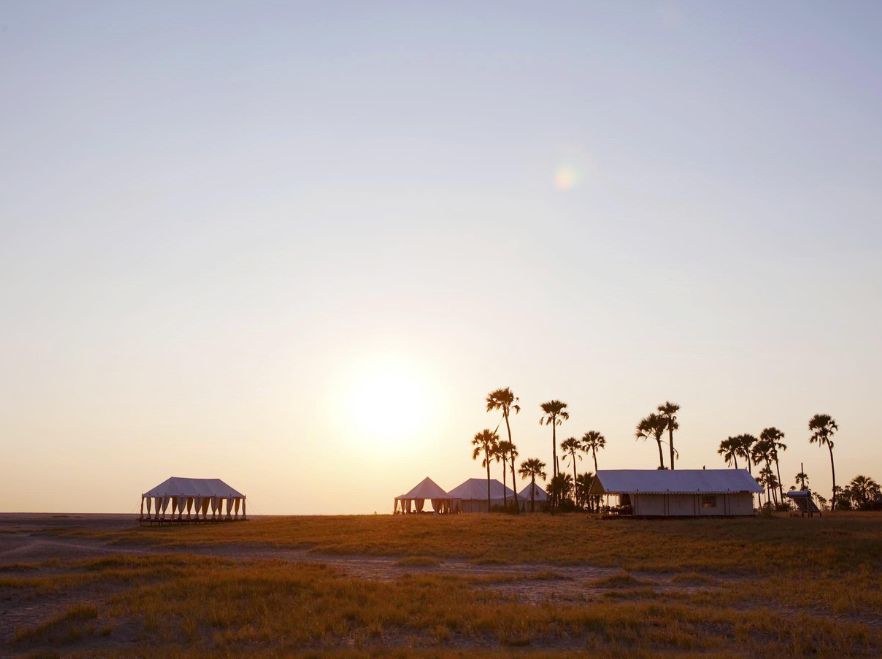
San Camp, Botswana
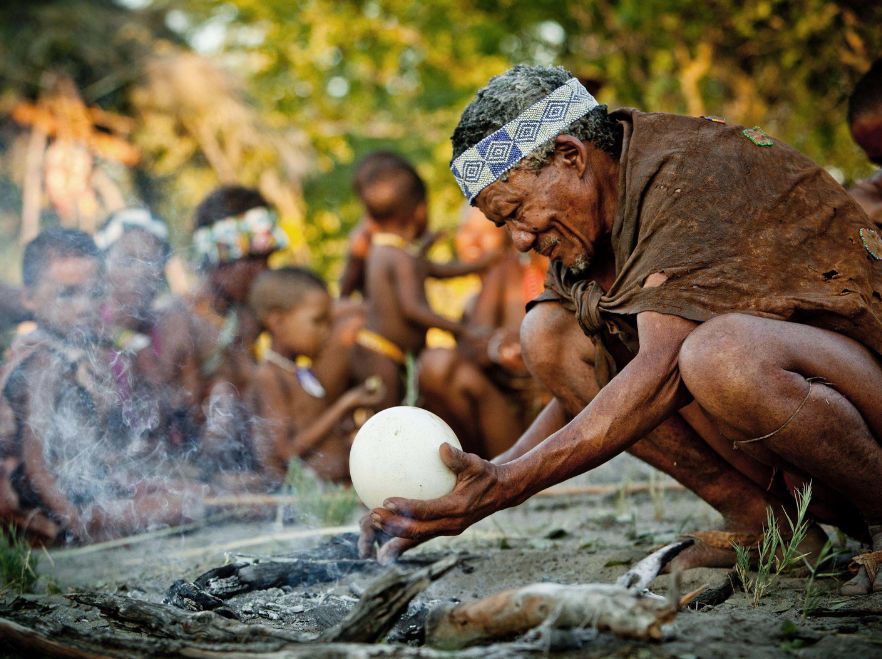
Bushmen near San Camp, Botswana

Bushmen near San Camp, Botswana
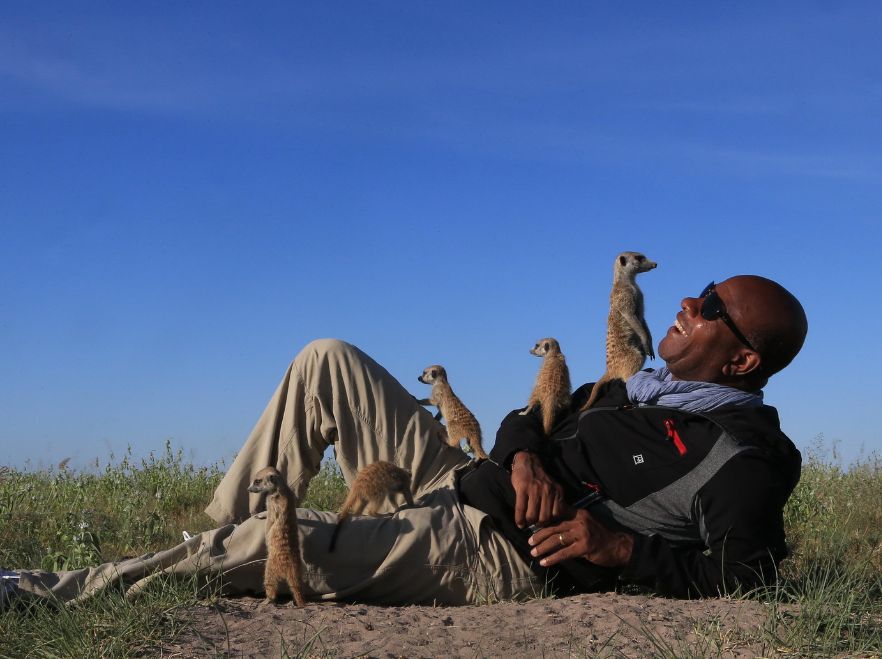
Meerkat viewing at San Camp, Botswana
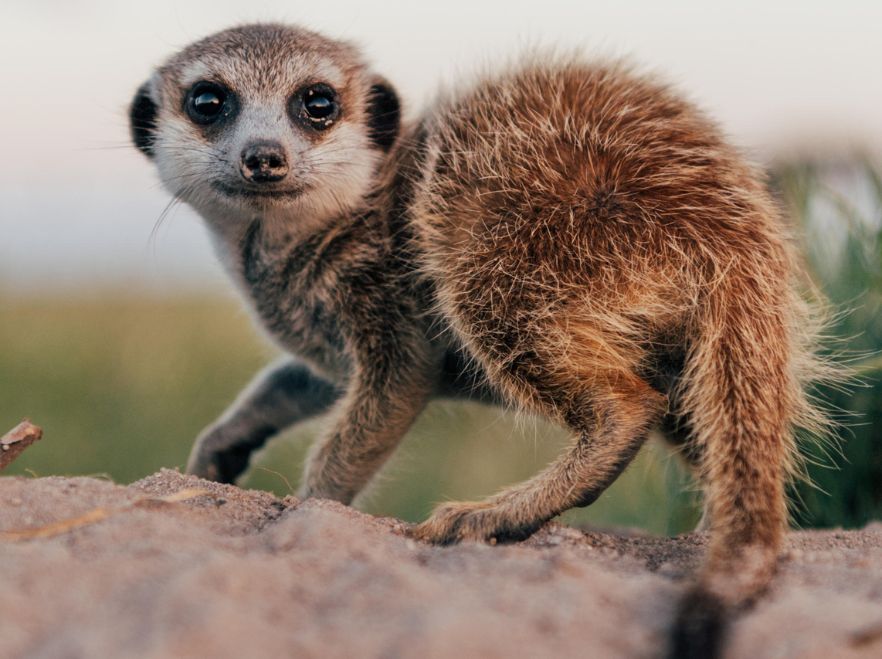
Meerkat at San Camp, Botswana
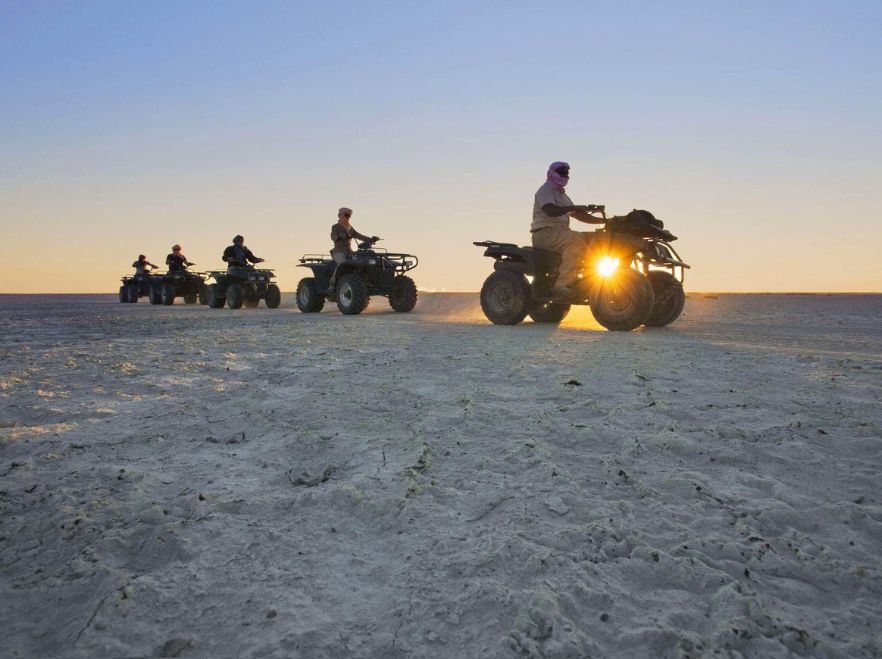
Quadbike riding on the Pans near San Camp, Botswana
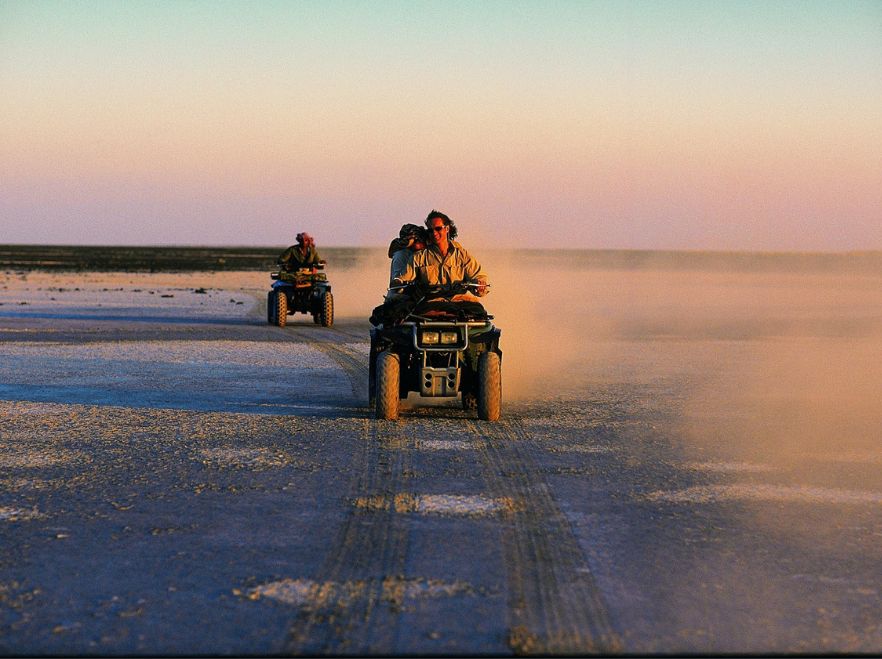
Quadbike riding on the Pans near San Camp, Botswana
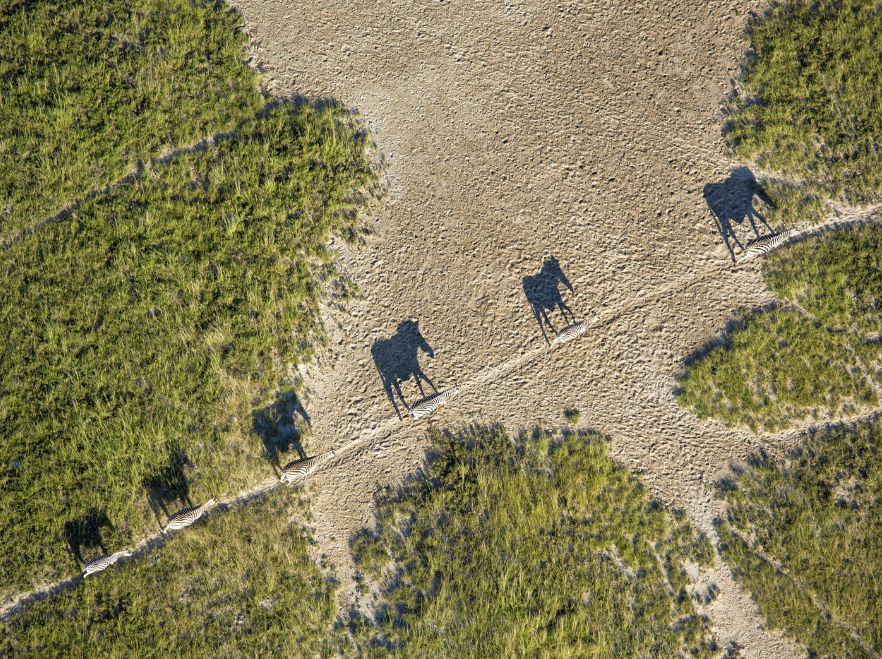
Zebras near San Camp, Botswana
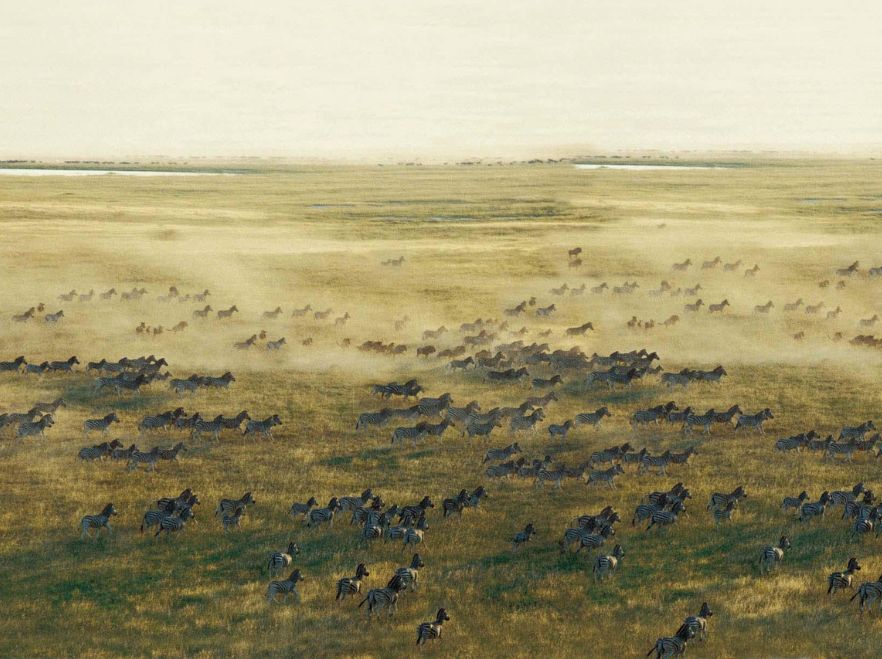
Zebra and Wildabeest migration near San Camp, Botswana
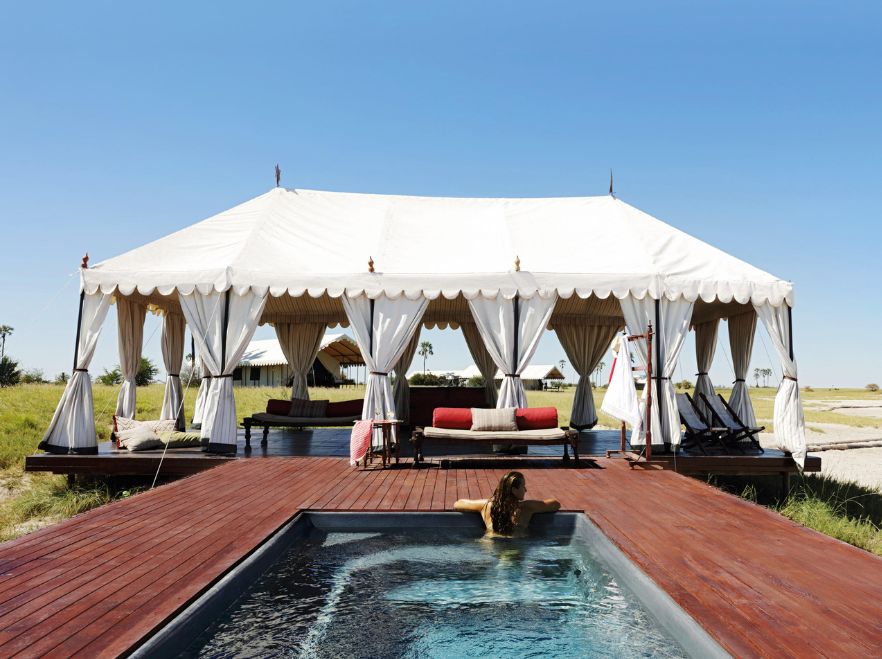
Swimming Pool at San Camp, Botswana
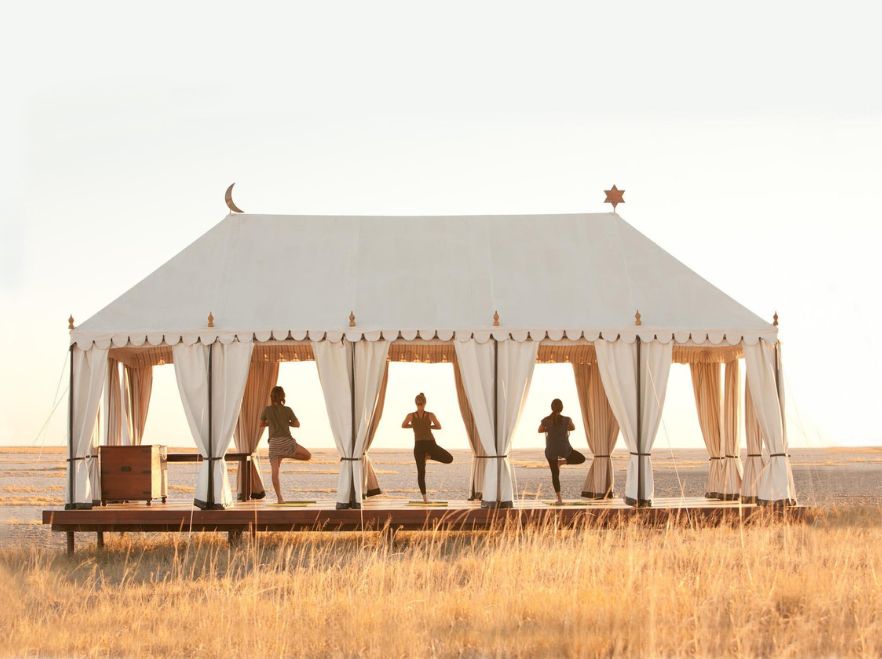
Yoga Tent at San Camp, Botswana
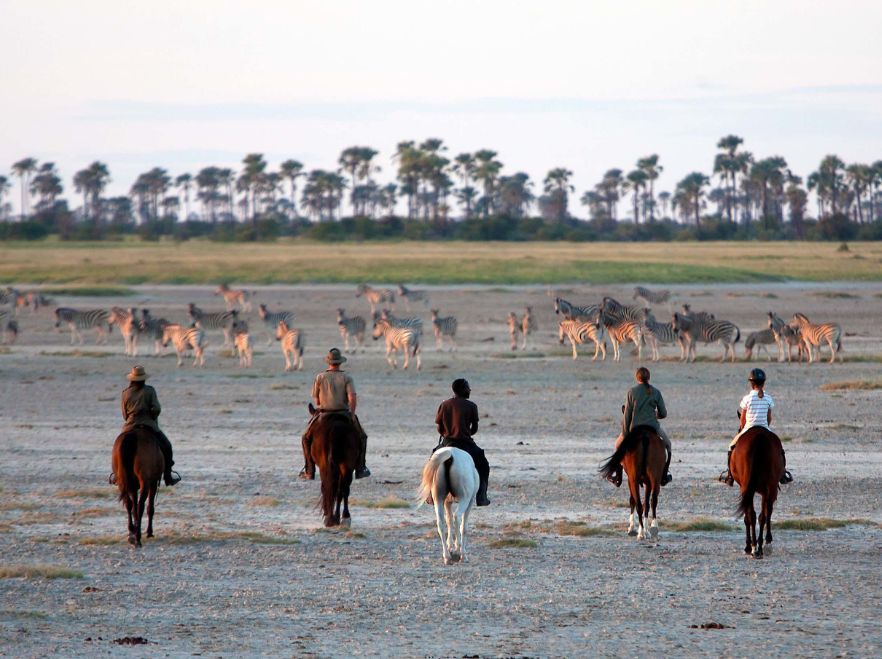
Horse Riding near San Camp, Botswana
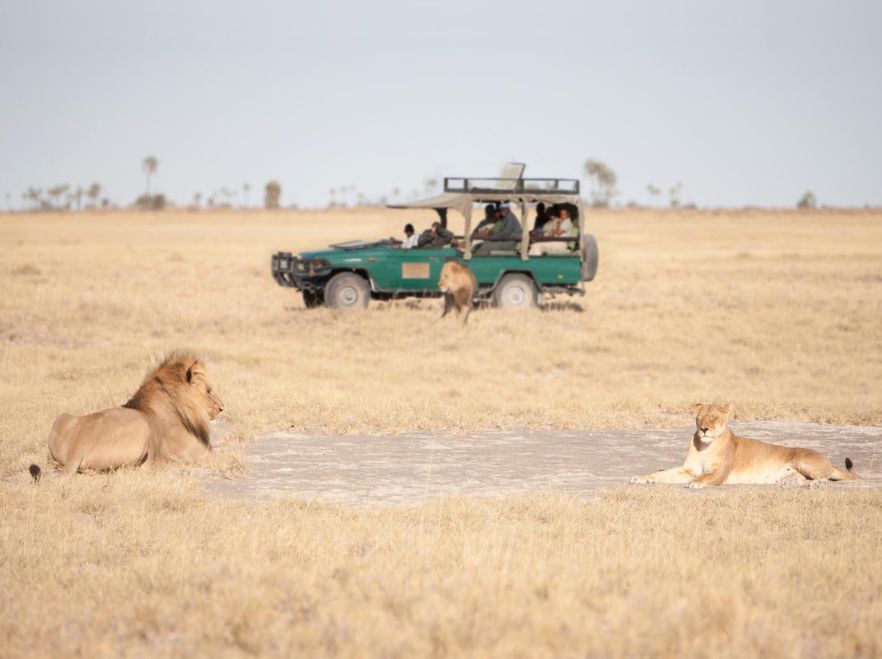
Game Drive at San Camp, Botswana
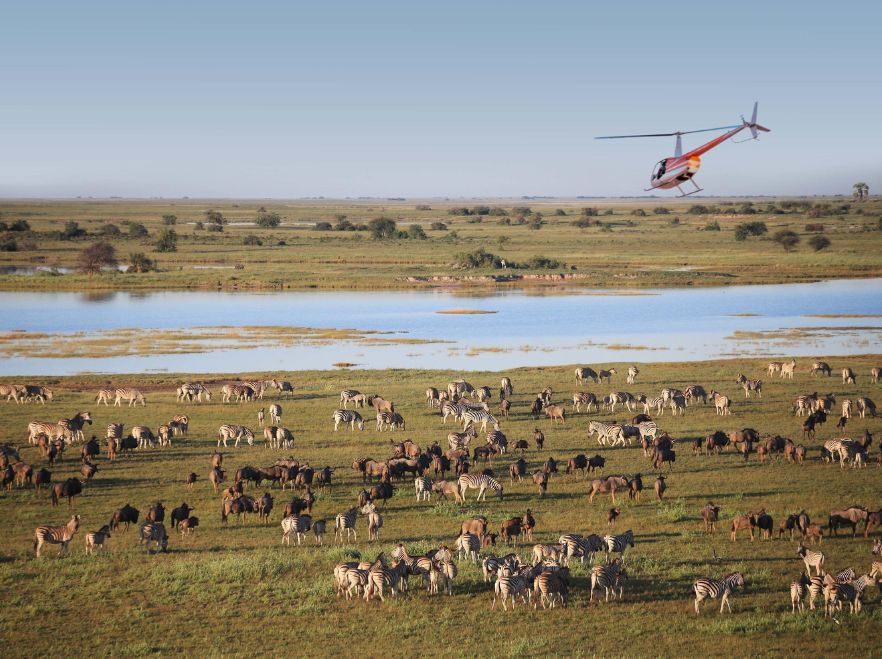
Helicopter viewing near San Camp, Botswana
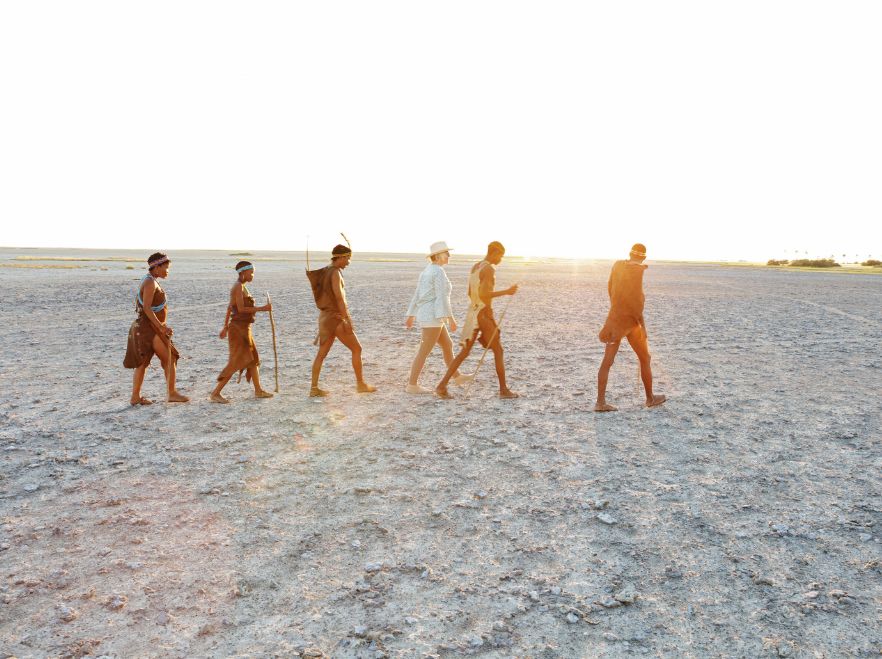
San Camp, Botswana
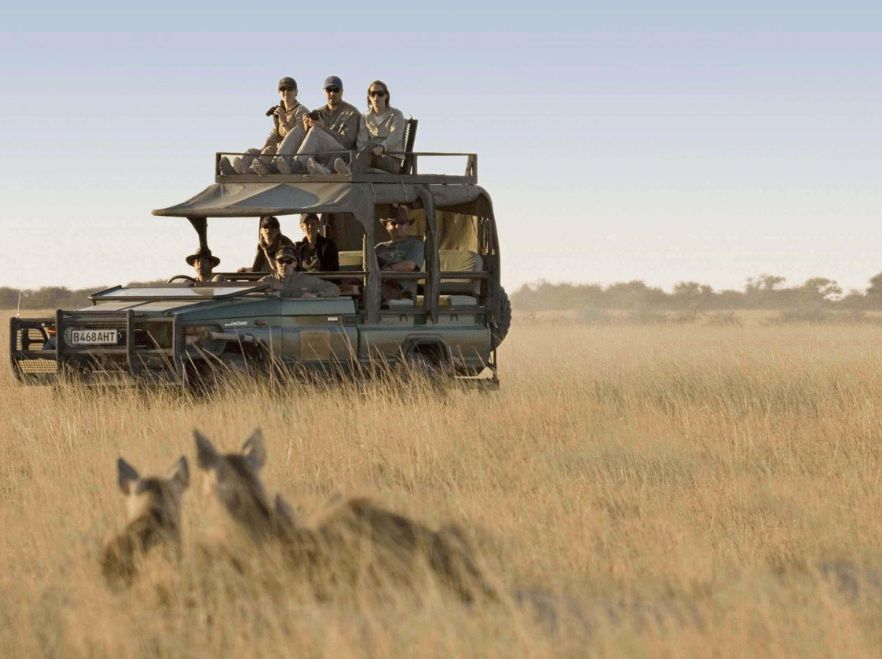
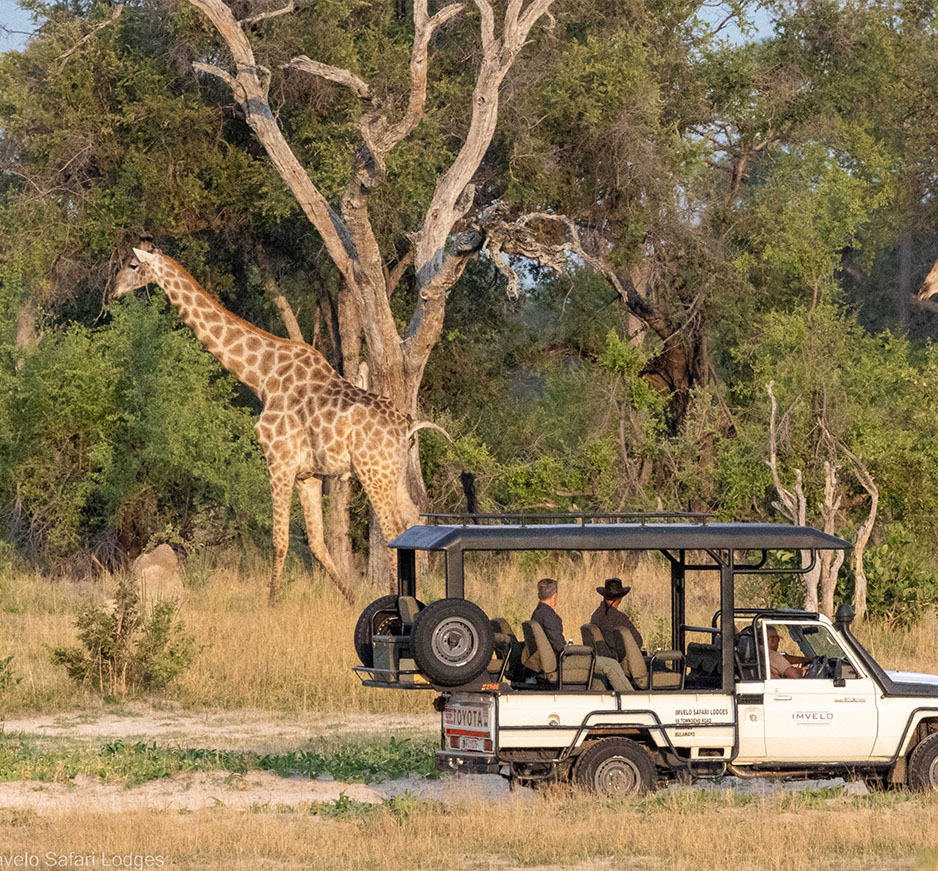
Game Drive near San Camp, Botswana
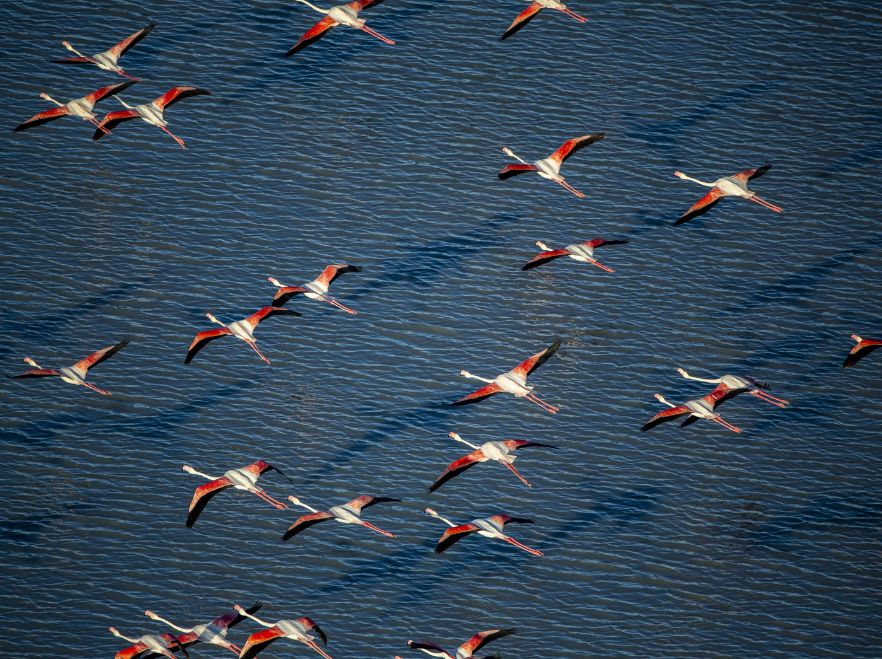
Flamingos near San Camp, Botswana

San Camp, Botswana

Brown Hyena Cub near San Camp, Botswana
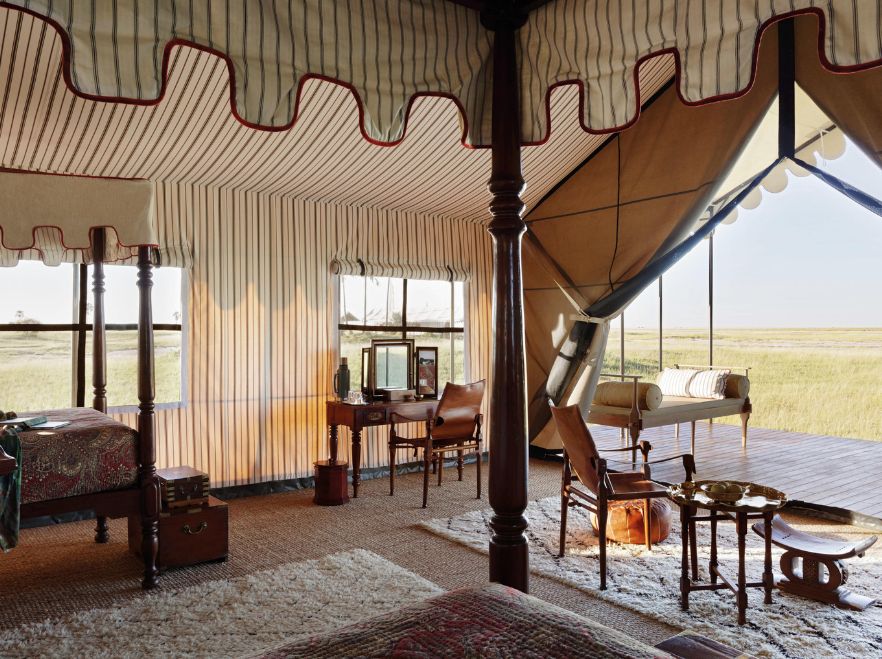
Inside a Suite at San Camp, Botswana

San Camp, Botswana

Game Drive at San Camp, Botswana

Game Drive in the Pans near San Camp, Botswana

Elephants near San Camp, Botswana

Baobab Tree near San Camp, Botswana
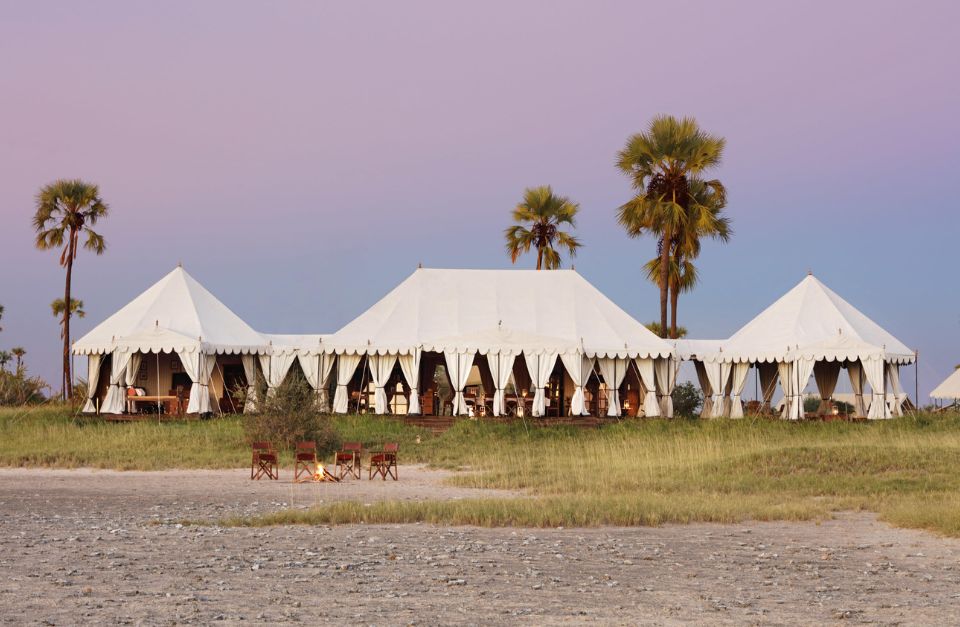
San Camp, Botswana


Luxury Botswana trip ideas


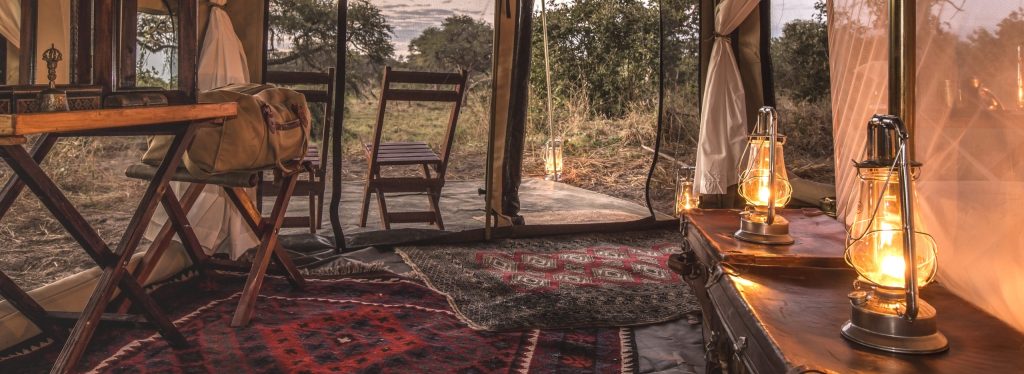
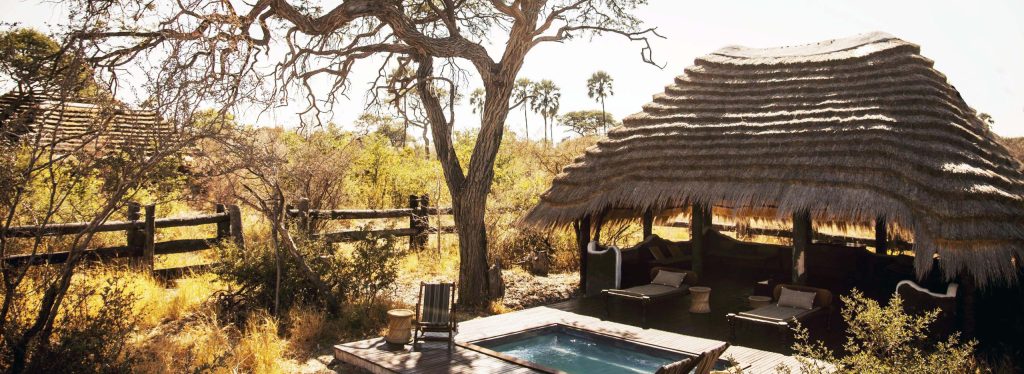
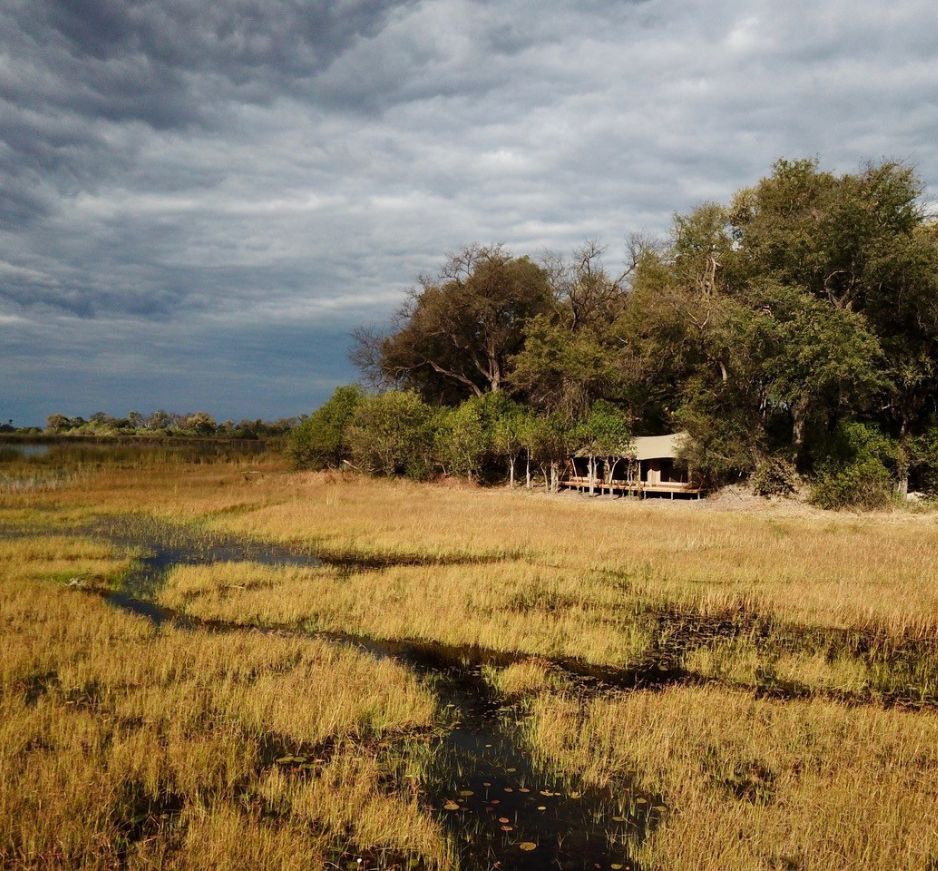
Top Luxury Hotels + Lodges In Botswana








Good to know
How to get there
To reach San Camp, fly into Maun and take a scenic light aircraft transfer, which typically takes about 1 hour, providing a direct route to this remote desert oasis in the Makgadikgadi Salt Pans.
Are children welcome?
Yes, children are welcome at San Camp in Botswana, though the camp recommends that children be at least 8 years old to ensure they can fully enjoy the experience and activities, such as game drives and cultural walks.
Giving back
San Camp is deeply committed to sustainability and conservation, ensuring that its operations have minimal impact on the delicate ecosystem of the Makgadikgadi Salt Pans. Their sustainability policy includes:
Solar Power: The camp is powered primarily by solar energy, minimizing reliance on non-renewable energy sources and reducing its overall carbon footprint.
Eco-Friendly Camp Design: San Camp is constructed with eco-conscious materials and techniques that blend seamlessly into the landscape, ensuring minimal disruption to the environment.
Water Conservation: With its location in a dry desert region, San Camp implements water-saving measures, including water-efficient fixtures and systems to recycle and reuse water where possible.
Waste Management: The camp operates a strict waste management program, minimizing single-use plastics, recycling, and disposing of waste responsibly to reduce its environmental impact.
Community Engagement: San Camp actively supports local communities by employing staff from surrounding areas and contributing to local conservation and education initiatives, promoting sustainable livelihoods and preserving cultural heritage.
Wildlife Conservation: San Camp collaborates with local conservation efforts to protect the unique wildlife and habitats of the Makgadikgadi Salt Pans, including efforts to safeguard species like meerkats, brown hyenas, and migratory birds.
Wildlife you are likely to see
At San Camp, located in the vast Makgadikgadi Salt Pans, you can expect to see a fascinating range of wildlife that thrives in this unique and harsh desert environment:
Meerkats: San Camp offers a rare opportunity to observe habituated meerkat colonies up close as they forage and interact with one another in their natural habitat.
Brown Hyenas: The elusive brown hyena, one of the region’s most interesting species, can be seen in the Makgadikgadi, often during night drives when they are most active.
Zebra Migration: During the wet season, the area plays host to one of the largest zebra migrations in Africa, with vast herds crossing the salt pans in search of fresh grazing.
Springbok and Gemsbok: These desert-adapted antelope species are commonly seen roaming the salt pans and nearby grasslands, gracefully navigating the challenging environment.
Bat-Eared Foxes: Often spotted during night excursions, these small, nocturnal predators hunt for insects and small prey in the cool desert evenings.
Flamingos: Thousands of flamingos flock to the pans during the wet season, creating a stunning spectacle as they feed in the shallow lakes formed by seasonal rains.
Kalahari Lions and Elephants: While sightings are rarer, Kalahari lions and elephants occasionally pass through the region, especially during the rainy season, adding to the wildlife allure.
Birdlife: The Makgadikgadi Salt Pans are a birdwatcher’s paradise, with a rich diversity of birds, including migratory waterfowl, raptors, and other species, especially during the wet season.
