

Duke's Camp Okavango Delta
 Okavango Delta, Botswana
Highlights
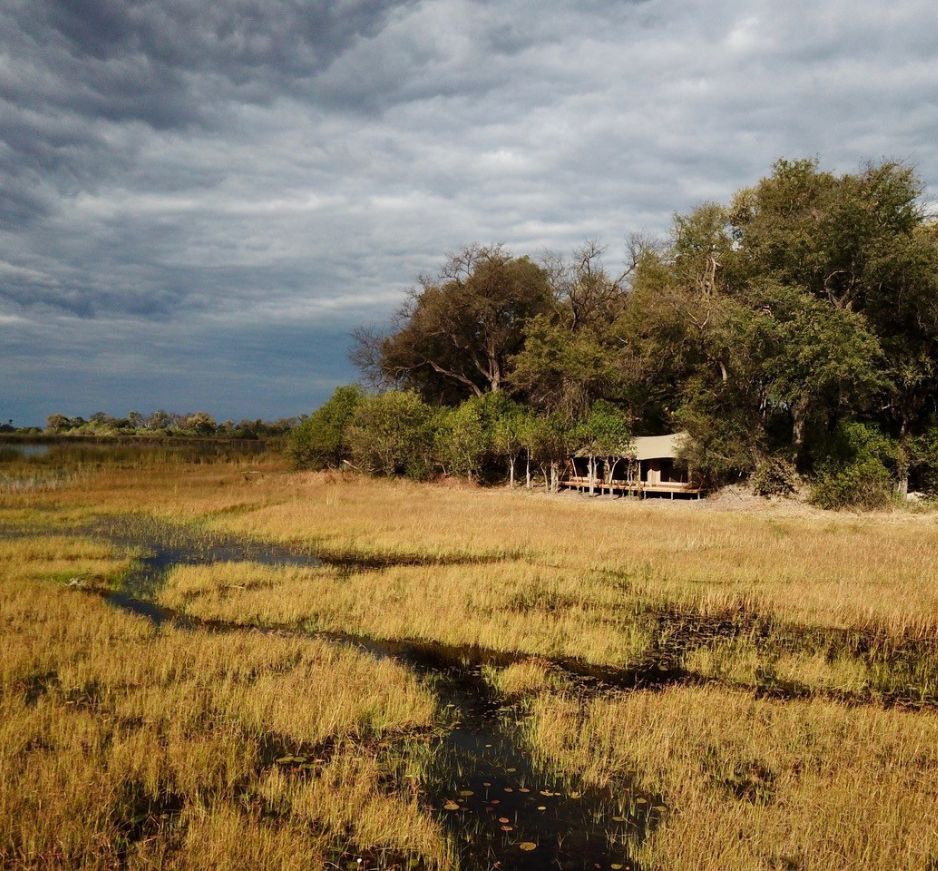
- Prime Location: Situated in a remote area of the Okavango Delta, Duke’s Camp offers an exclusive and immersive safari experience.
- Exceptional Wildlife Viewing: The camp is located in a wildlife-rich area where guests can spot elephants, lions, leopards, and diverse bird species during game drives and boat safaris.
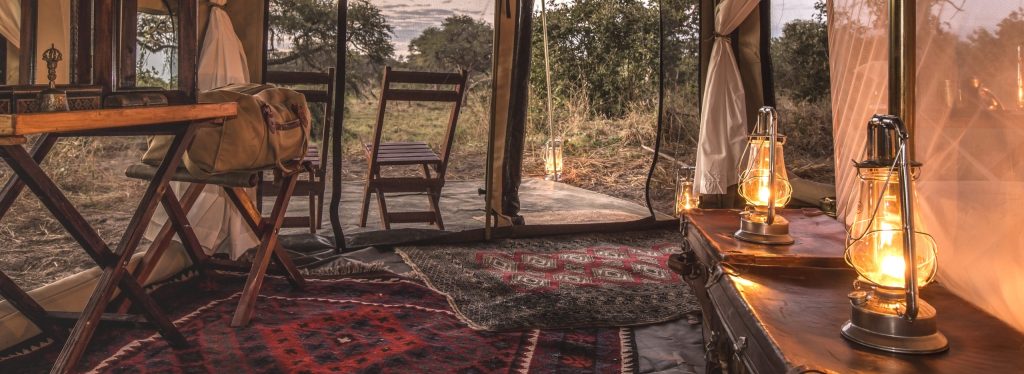
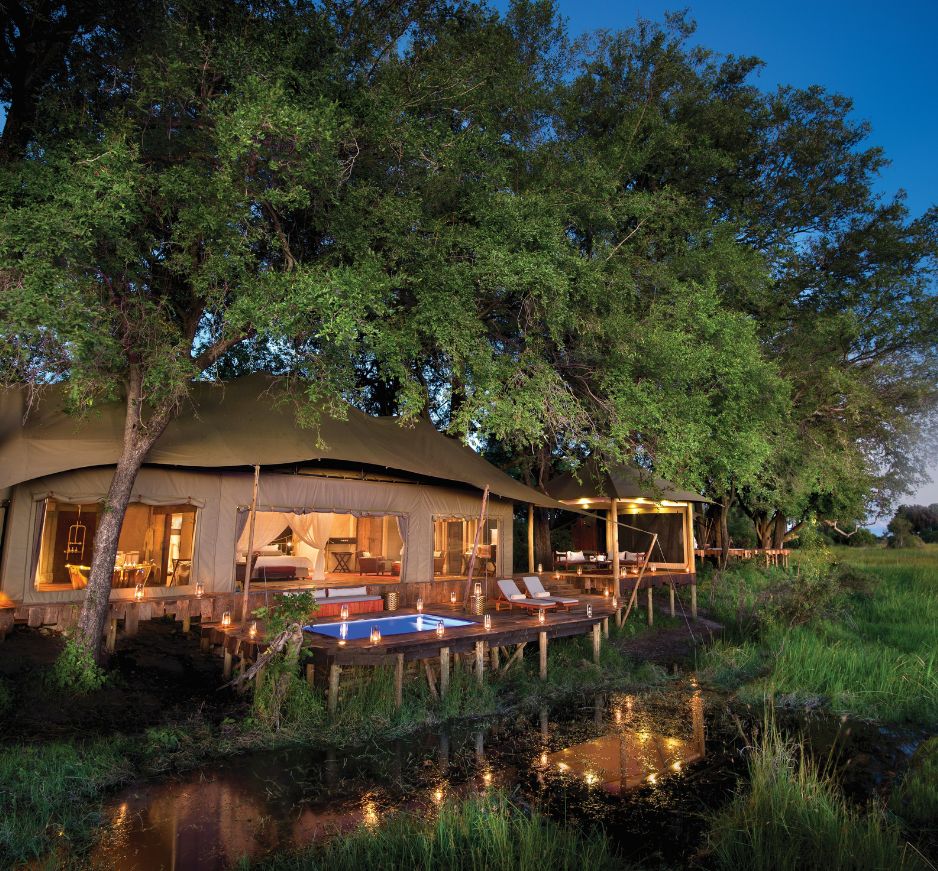
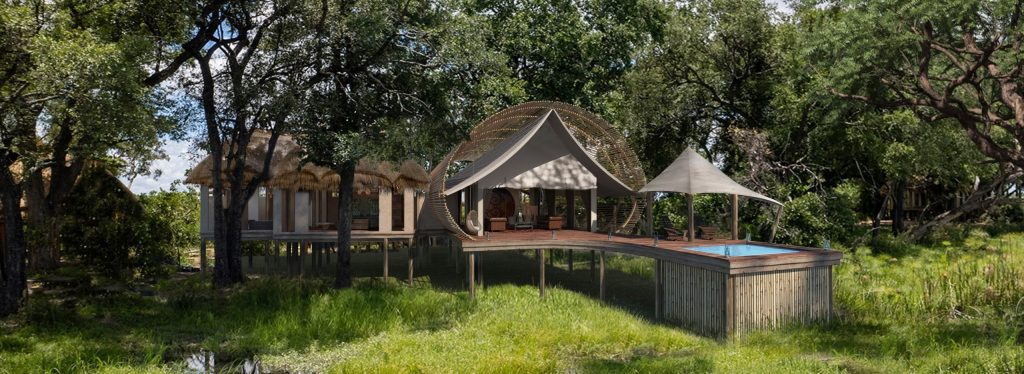
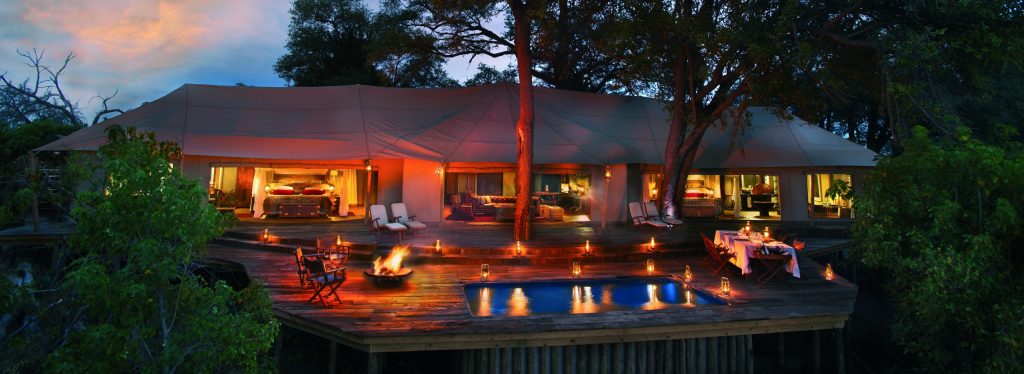
- Traditional Safari Tents: Stay in spacious, beautifully appointed canvas tents, each featuring en-suite bathrooms, private decks, and elegant décor that blends luxury with authenticity.
- Mokoro Excursions: Explore the delta’s waterways by mokoro (traditional canoe), offering a tranquil and intimate way to observe the area’s wildlife and birdlife up close.
- Cultural Encounters: Guests can engage with the local communities, gaining insights into Botswana’s rich cultural heritage and traditions.
- Personalised Service: The camp offers warm, personalised service with dedicated guides and staff ensuring a tailor-made and unforgettable safari experience.
Why we love Duke’s Camp

We love the blend of authenticity and personalised service. The expert guides and carefully designed tents create a deep connection with the Okavango that means you’ll never forget a stay at Duke’s.

Start to planning your tailor-made trip by contacting one of our specialists

Gallery

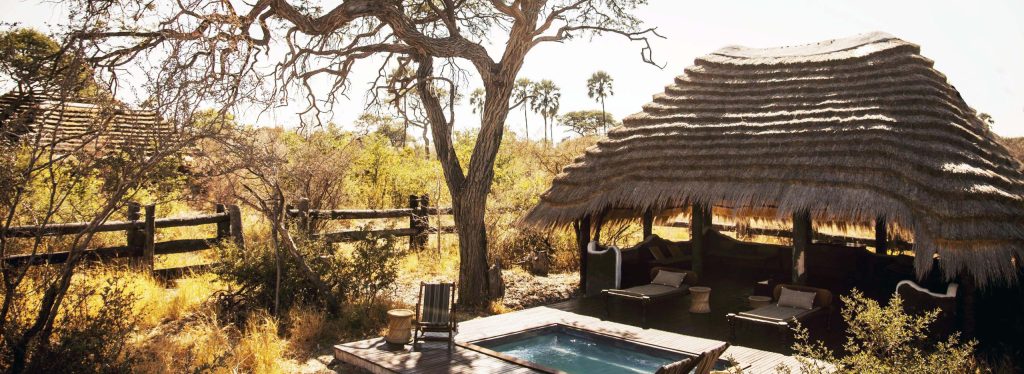
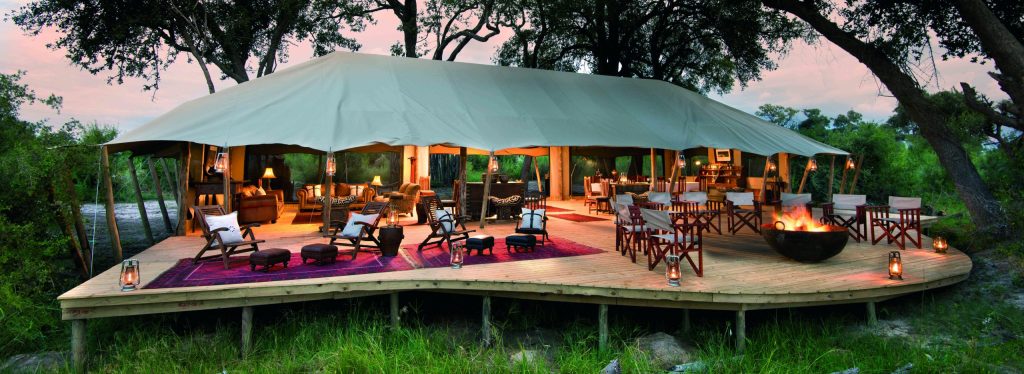
Duke's Camp, Okavango Delta, Botswana

A twin tent at Duke's Camp, Okavango Delta, Botswana

A leopard spotted near Duke's Camp, Okavango Delta, Botswana

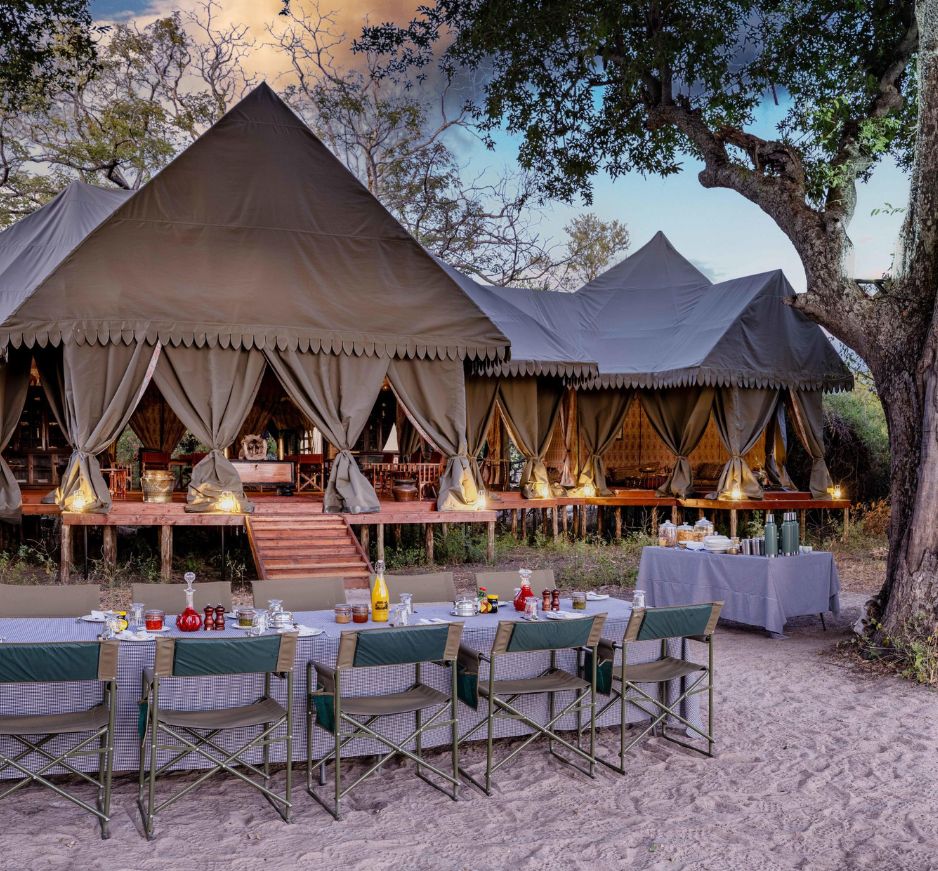
Bush dinner at Duke's Camp, Okavango Delta, Botswana

Cattle herding near Duke's Camp, Okavango Delta, Botswana

Birdlife at Duke's Camp is incredible

A leopard spotted near Duke's Camp, Okavango Delta, Botswana

Explore the Okavango Delta

Sleeping out at Duke's Camp, Okavango Delta, Botswana

Wild dog in the Okavango Delta

A tent at Duke's Camp, Okavango Delta, Botswana

Twin tent at Duke's Camp, Okavango Delta, Botswana

Duke's Camp, Okavango Delta, Botswana

Fishing at Duke's Camp, Okavango Delta, Botswana (seasonal)

Duke's Camp, Okavango Delta, Botswana

Ancient rock art near Duke's Camp, Okavango Delta, Botswana

Sunset game drive at Duke's Camp, Okavango Delta, Botswana

Game drive from Duke's Camp, Okavango Delta, Botswana


Luxury Botswana trip ideas
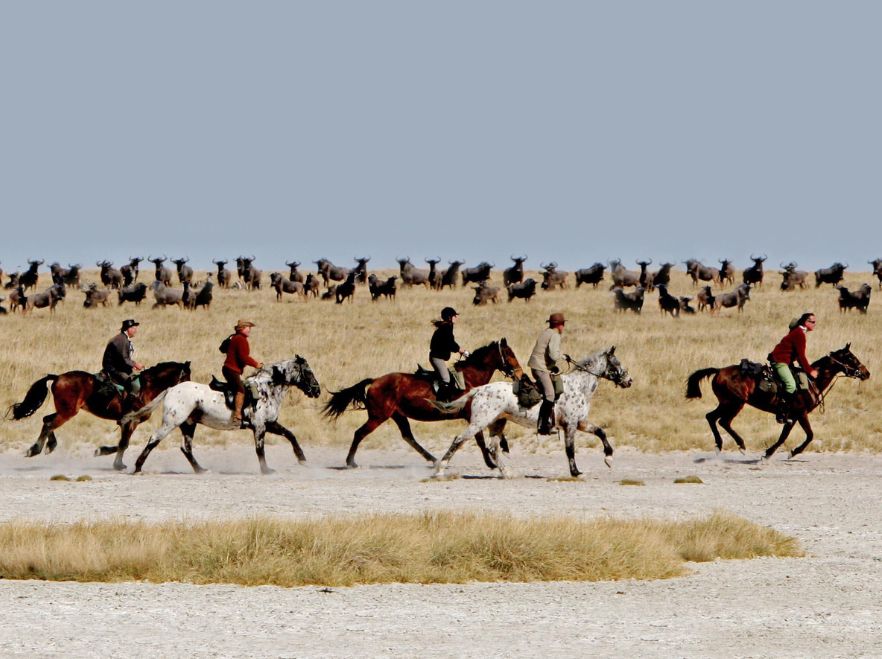
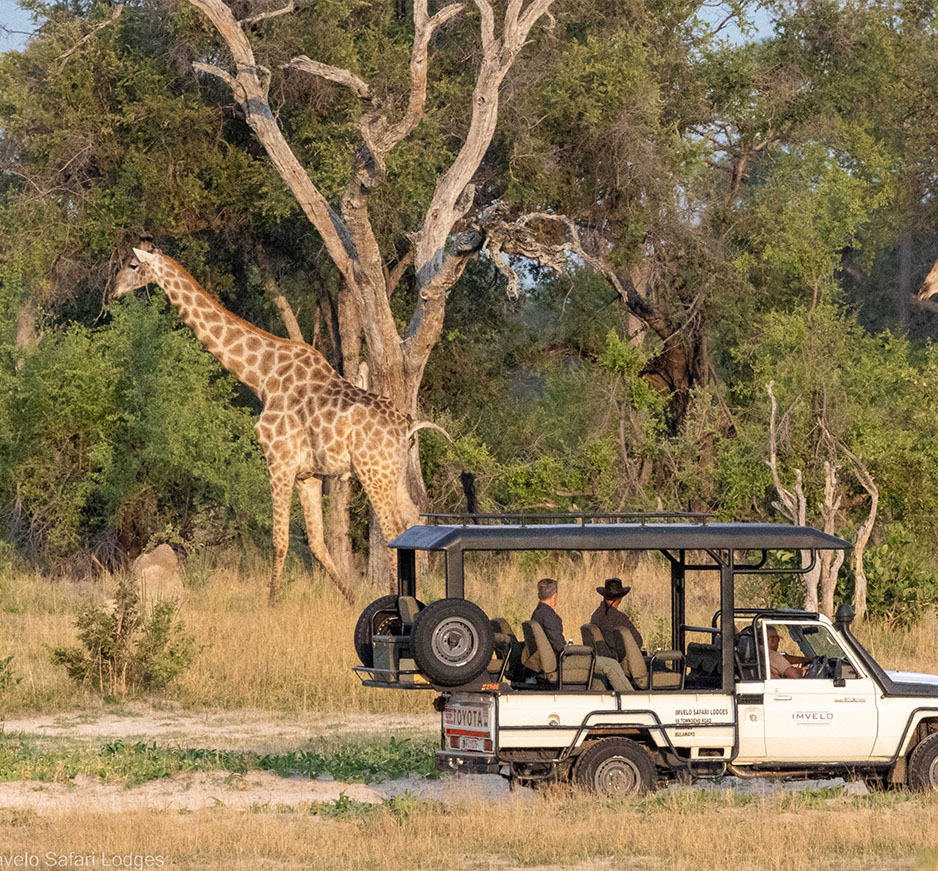
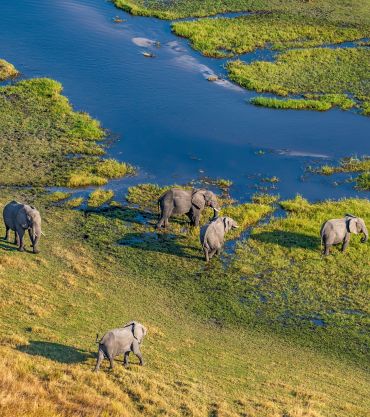
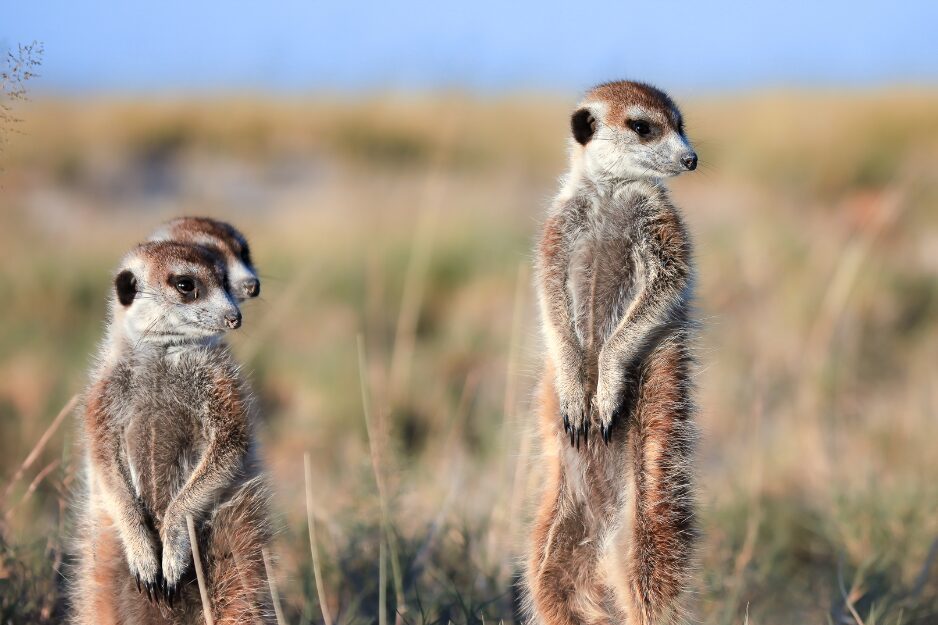


Top Luxury Hotels + Lodges In Botswana








Good to know
How to get there
Duke’s Camp is approximately 45 minutes from Maun by light aircraft with stunning views over the Okavango Delta.
Are children welcome?
Yes, children are welcome at Duke’s Camp. However, it is generally recommended for families with children over the age of 6, due to the nature of safari activities. The camp offers family-friendly experiences, including specially tailored game drives and activities, ensuring that young guests can safely enjoy the wildlife and surroundings.
Giving back
Duke’s Camp is committed to sustainability and conservation, ensuring minimal impact on the Okavango Delta’s delicate ecosystem. Their sustainability policy includes:
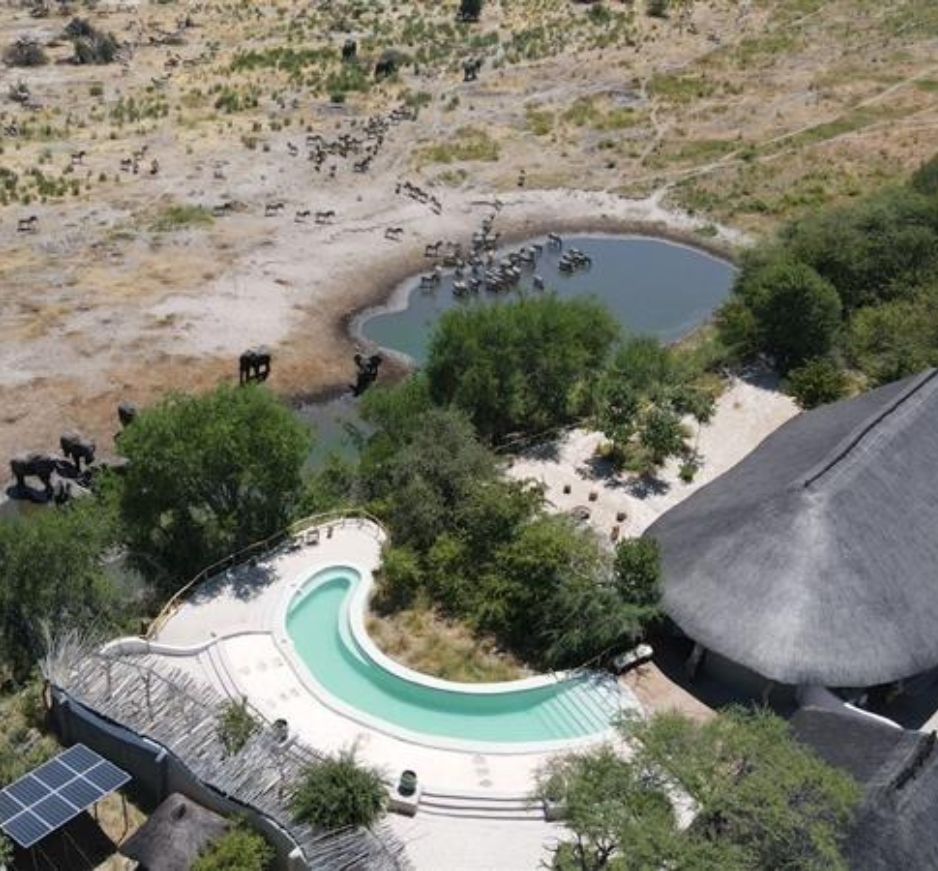
- Solar Power: The camp is primarily powered by solar energy, reducing its reliance on fossil fuels and lowering its carbon footprint.
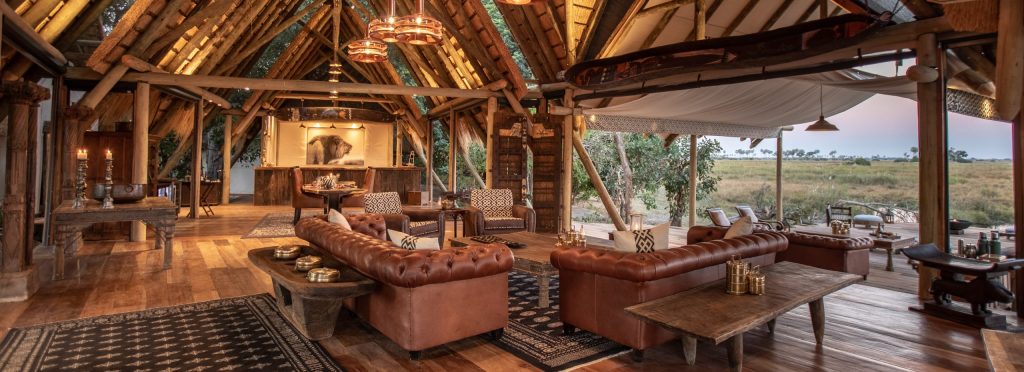
- Eco-Friendly Camp Design: The camp is constructed using sustainable materials that blend into the natural environment, minimising disruption to wildlife and the surrounding landscapes.
- Water Conservation: Duke’s Camp employs water-saving measures, including efficient water management systems and recycling greywater for non-potable uses, essential in the delta’s fragile ecosystem.
- Waste Management: A comprehensive waste management system is in place to minimise waste and pollution. The camp focuses on recycling, limiting single-use plastics, and responsibly disposing of all waste materials.
- Local Sourcing and Sustainable Practices: The camp sources ingredients and supplies locally, reducing the environmental impact of transportation while supporting local farmers and businesses. They also use eco-friendly products wherever possible.
- Community Engagement and Conservation: Duke’s Camp supports local communities through employment and conservation education initiatives. The camp actively participates in efforts to protect wildlife and preserve the delta’s unique biodiversity.
Wildlife you are likely to see
At Duke’s Camp in the Okavango Delta, you can expect to encounter a diverse array of wildlife, making it an ideal destination for safari enthusiasts. Some of the key species you are likely to see include:
- Elephants: Large herds of elephants are frequently seen near the water sources, grazing or cooling off in the delta’s channels.
- Lions: The delta is home to several prides of lions, often spotted during game drives as they hunt or rest in the shade.
- Leopards: These elusive big cats are frequently sighted, particularly in the woodland areas around the camp.
- Buffalo: Large herds of buffalo roam the floodplains, often seen in impressive numbers grazing in the open areas.
- Hippos and Crocodiles: Both hippos and crocodiles are commonly found in the waterways, offering excellent viewing during boat or mokoro safaris.
- Wild Dogs: African wild dogs, one of the continent’s most endangered predators, are occasionally spotted hunting in packs in the area.
- Birdlife: The Okavango Delta is a birdwatcher’s paradise, with species like African fish eagles, kingfishers, and herons frequently seen. Migratory species add to the rich birdlife during certain times of the year.
- Giraffes, Zebras, and Antelopes: Grazers such as giraffes, zebras, and various species of antelope, including impala and lechwe, are often seen roaming the plains and woodlands.
