Douglas Mawson

Expedition Ship, Antarctica

Highlights

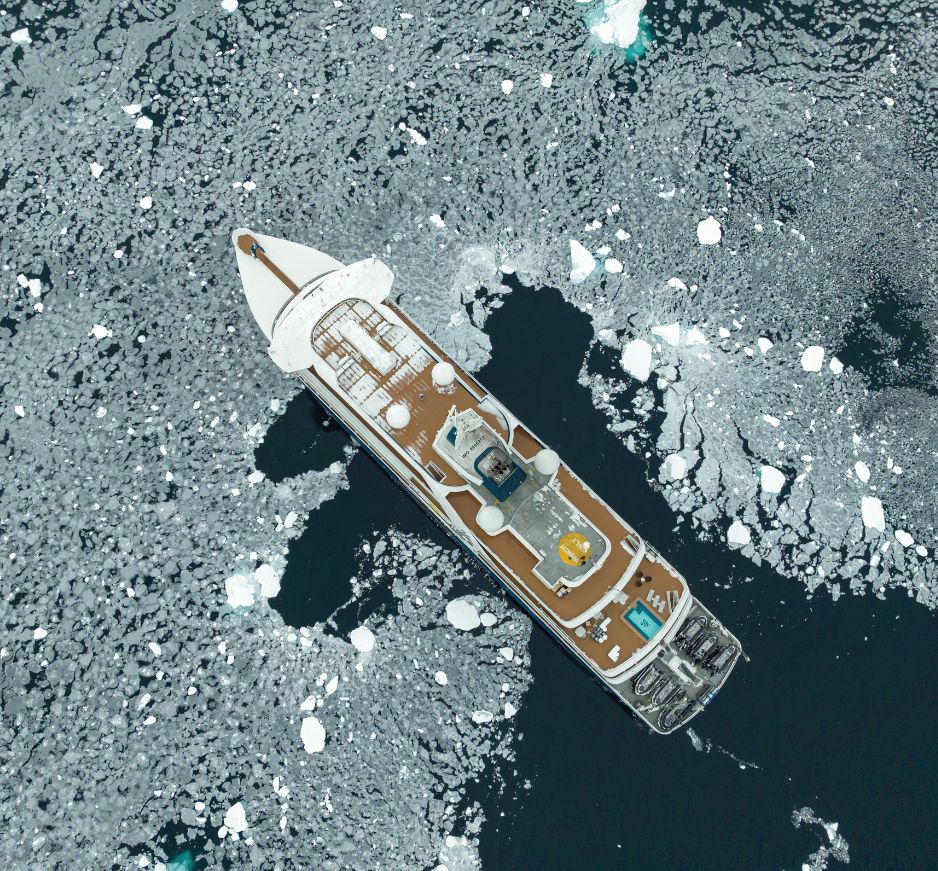
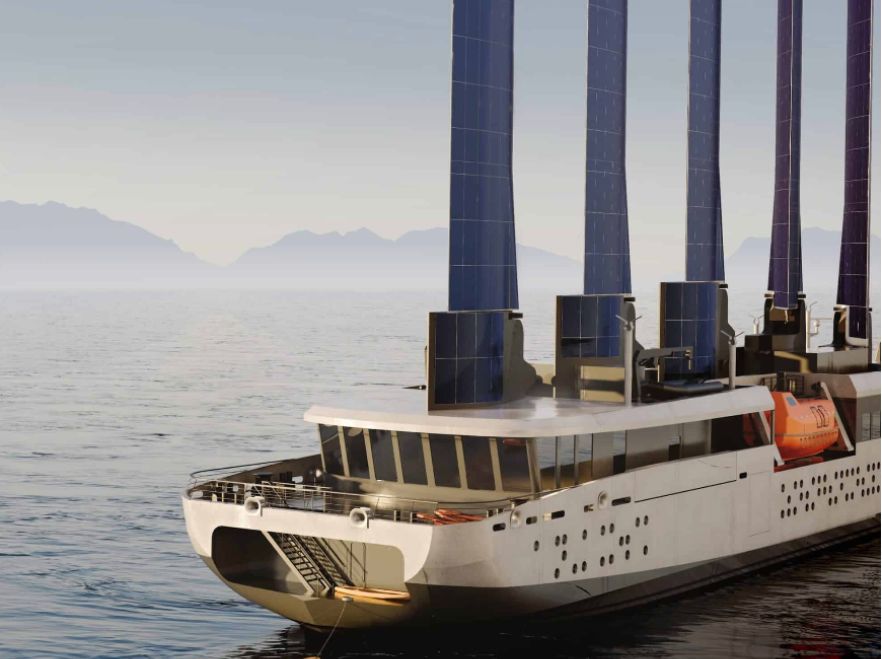
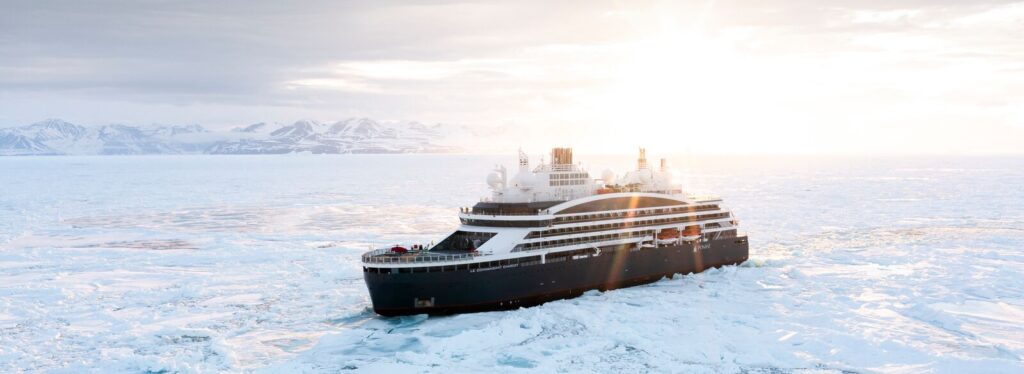
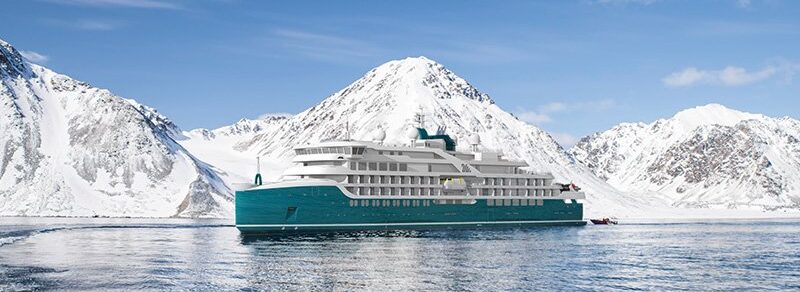
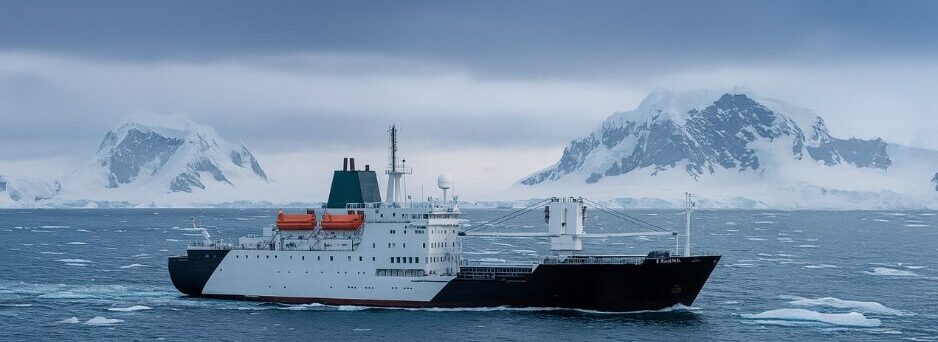
  • Purpose-built polar expedition ship: Designed specifically for exploration in Antarctica and the Arctic, combining advanced ice-navigation capability with refined onboard comfort, allowing access to remote regions in safety and confidence.
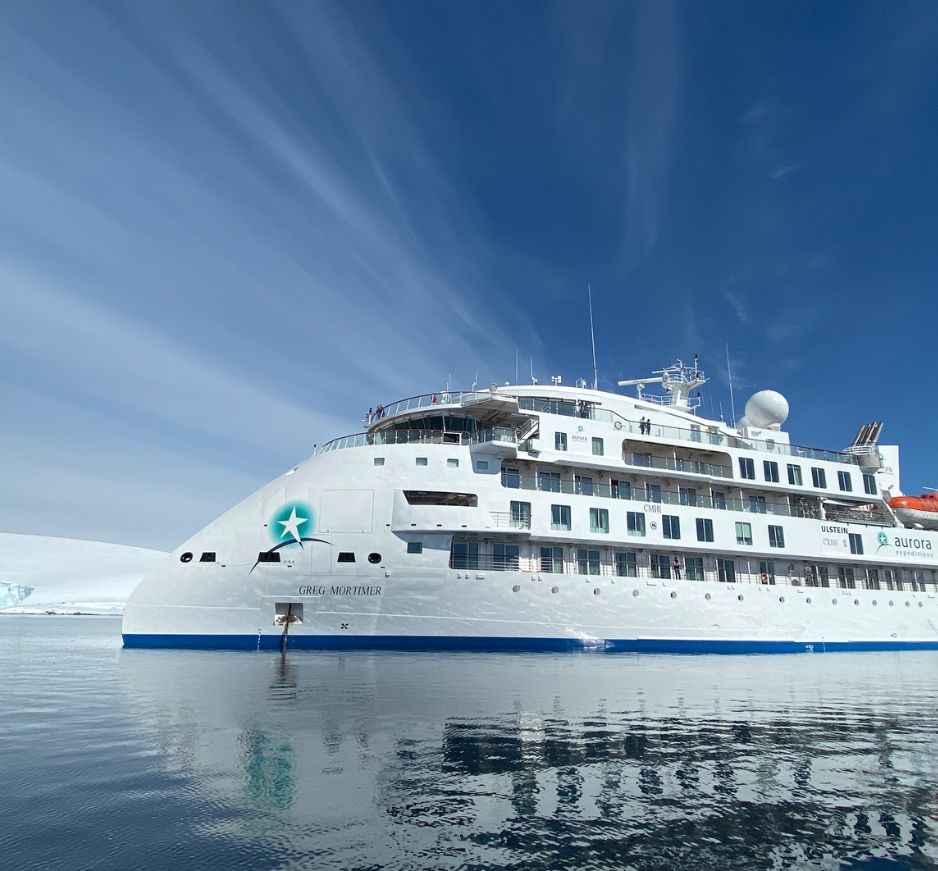
  • Ulstein X-BOW design: Its distinctive inverted bow improves stability and reduces vibration, delivering smoother crossings and greater comfort while also enhancing fuel efficiency and performance in challenging polar conditions.
  • Limited guest capacity: Accommodating approximately 130 guests, the ship offers a more intimate experience, allowing efficient Zodiac operations, quicker landings and deeper engagement with remote environments.
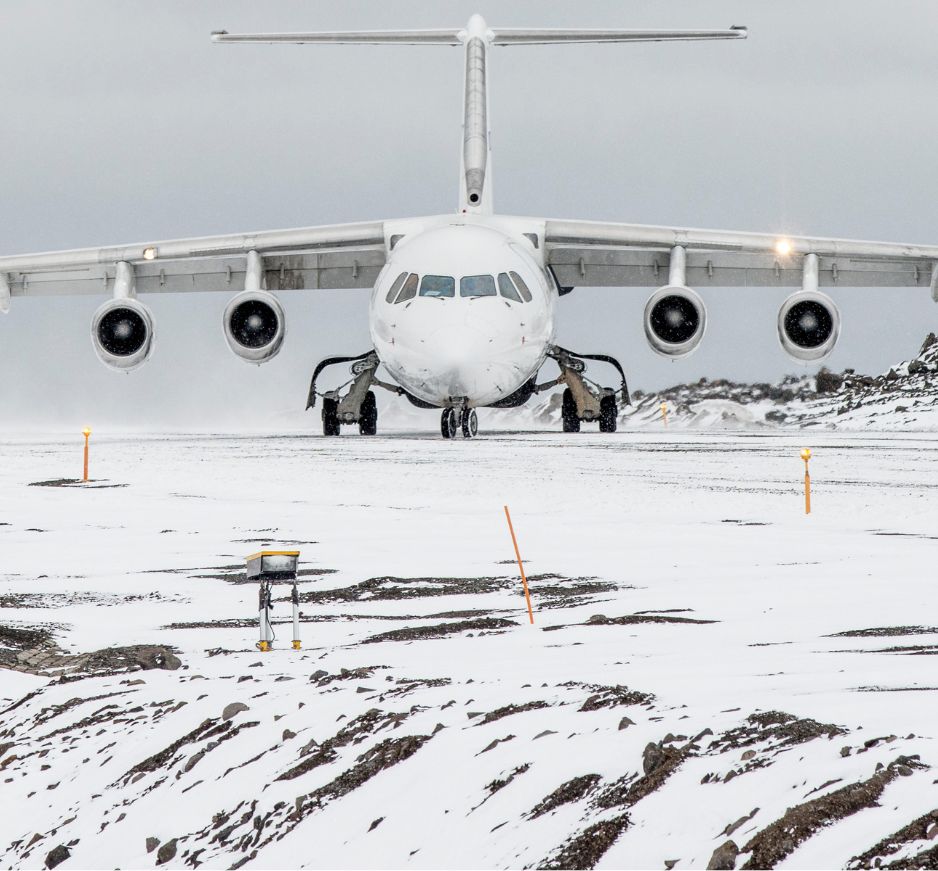
  • Helicopter-supported exploration: Equipped with two helicopters, enabling access to rarely visited landing sites, aerial photography opportunities and a dramatically expanded range of exploration beyond conventional expedition routes.
  • Excellent viewing and expedition facilities: Features expansive observation decks, a dedicated lecture theatre and multiple Zodiac embarkation points, ensuring guests remain closely connected to the landscapes and wildlife throughout the journey.
  • Strong sustainability credentials: Built with modern, fuel-efficient engines and advanced environmental systems, including virtual anchoring technology, reducing seabed impact and minimising its footprint in sensitive polar ecosystems.

Why we love the Douglas Mawson

Blockquote

The company behind this amazing looking ship has a deep history in expedition cruising and it shows in everything they do. Despite all the luxury onboard the focus of every departure is the expedition and it always feels like a voyage of discovery.

Speak To Someone Who’S Been There
Luxury destination expert sitting on a boat in the polar regions

Start to planning your tailor-made trip by contacting one of our specialists

Caroline Maber
CALL US TODAY +44 207 384 2332
Make An Enquiry
trustpilot excellent rating for cazenove+loyd

Features

  • Constructed: Built in 2025, Douglas Mawson is a next-generation expedition ship designed specifically for polar exploration, incorporating the latest advances in efficiency, safety and environmental performance.
  • Capacity: Accommodates up to 130 guests, ensuring a spacious yet intimate atmosphere, with efficient Zodiac operations and greater flexibility when exploring remote polar regions.
  • Guides: Expeditions are led by a highly qualified team of specialists, including marine biologists, glaciologists, historians and naturalists, providing expert insight throughout each voyage.
  • Crew: Operated by an experienced crew of approximately 85, delivering attentive service, safe expedition operations and a high level of onboard comfort.
  • Speed: Cruises at approximately 15.5 knots, allowing efficient passage between remote regions while maintaining flexibility to maximise exploration opportunities.
  • Ice Class: Built to Ice Class 1A Super standard, enabling safe navigation in demanding polar ice conditions throughout Antarctica and the Arctic.
  • Size: Measures approximately 104 metres in length and 18.2 metres in breadth, balancing stability, comfort and expedition capability.


  • Dining: Features a main restaurant serving freshly prepared cuisine, alongside a bar and lounge area designed for relaxation and informal gatherings.
  • Leisure facilities: Includes a lecture theatre, library, gym, sauna, Jacuzzis, observation lounges and a mudroom for expedition gear, supporting both comfort and exploration.
  • Stability and design: Incorporates the Ulstein X-BOW, improving comfort in rough seas, enhancing fuel efficiency and reducing motion during ocean crossings.
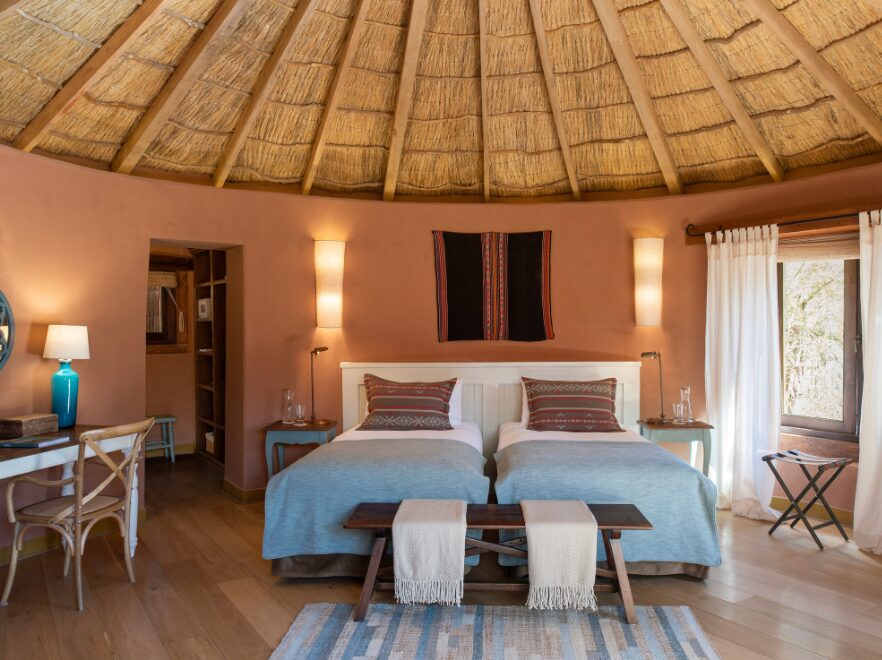
  • Cabins: Offers 76 well-appointed cabins and suites, all with ensuite bathrooms, climate control and ocean views. Many feature private balconies, while suites include separate living areas.

Top Luxury Hotels + Lodges In Antarctica

Previous
Next

Good to know

  • Stateroom Single (2 cabins): Designed for solo travellers, these cabins feature a porthole, private ensuite bathroom, desk and storage. Compact but comfortable, offering privacy without compromising expedition capability.
  • Stateroom Superior Single (4 cabins): Larger single cabins with additional living space and either a porthole or French balcony. Ideal for solo travellers seeking greater comfort on longer voyages.
  • Stateroom Twin (2 cabins): Twin-share cabins with windows and private ensuite bathrooms. Practical and comfortable, with convenient access to expedition preparation areas.
  • Balcony Stateroom Category C (14 cabins): Entry-level balcony cabins with private outdoor space, ensuite bathroom and flexible twin or double bed configuration. Bright, well designed and suited to most guests.
  • Balcony Stateroom Category B (14 cabins): Mid-level balcony cabins offering more space and excellent views. Each includes a private balcony, ensuite bathroom and comfortable seating area.
  • Balcony Stateroom Category A (12 cabins): Larger balcony cabins in more favourable positions on board, providing enhanced views, generous living space and private outdoor seating.
  • Balcony Stateroom Superior (10 cabins): Spacious cabins with floor-to-ceiling windows, private balcony and additional interior space, offering an elevated level of comfort and excellent outlook.
  • Junior Suite (6 cabins): Well-proportioned suites with separate living areas, private balconies and expansive views, ideal for guests seeking greater space and privacy.
  • Captain’s Suite (2 cabins): The most spacious accommodation on board, featuring a separate bedroom and living area, private balcony and a premium onboard position.
  • Triple cabins (2 cabins): Designed to accommodate three guests, with window or porthole, ensuite bathroom and practical layout suited to families or small groups.

Yes, children are welcome onboard the Douglas Mawson. However, it is important to note that the expeditions are generally designed for adults and may not have specific activities tailored for young children. Families considering bringing children should check with the specific voyage’s guidelines and discuss any special needs or concerns with us at cazenove+loyd to ensure a comfortable and enjoyable experience for all ages.

The Douglas Mawson has a comprehensive sustainable program focused on minimizing its environmental impact and promoting conservation. Key aspects of this program include:

  1. X-Bow Design: The innovative X-Bow design reduces fuel consumption and emissions, ensuring more efficient and eco-friendly sailing.
  2. Energy Efficiency: The ship uses energy-efficient systems and practices, including LED lighting and optimized heating and cooling systems.
  3. Waste Management: A robust waste management system is in place, including waste reduction, recycling, and responsible disposal practices to minimize the ship’s ecological footprint.
  4. Single-Use Plastics: The ship actively reduces single-use plastics, providing reusable water bottles and avoiding plastic straws and cutlery.
  5. Water Conservation: Water-saving measures are implemented throughout the ship, including efficient water usage systems and the treatment and reuse of greywater.
  6. Wildlife Protection: Expeditions follow strict guidelines to minimize disturbance to wildlife and natural habitats. The ship’s operations are designed to be as non-intrusive as possible.
  7. Education and Awareness: The ship’s expedition team provides educational programs and lectures to raise awareness about environmental conservation and the importance of protecting polar regions.
  8. Sustainable Sourcing: The ship prioritizes the use of sustainably sourced food and materials, supporting local and environmentally responsible suppliers.

The Douglas Mawson supports the remote communities it visits through various initiatives aimed at fostering positive interactions and contributing to local well-being. Key ways the ship supports these communities include:

  1. Cultural Exchange: The ship facilitates meaningful cultural exchanges between passengers and local communities, promoting mutual understanding and respect.
  2. Local Employment: Whenever possible, the expedition hires local guides and staff, providing employment opportunities and supporting the local economy.
  3. Sustainable Tourism Practices: The ship adheres to sustainable tourism practices that minimize environmental impact, ensuring that tourism benefits rather than harms local communities and their natural surroundings.
  4. Purchasing Local Goods: The ship supports local artisans and businesses by encouraging passengers to purchase locally made products and souvenirs, boosting the local economy.
  5. Community Projects: The Douglas Mawson and its operators often engage in or support community projects, such as education initiatives, healthcare improvements, and infrastructure development, contributing to the overall well-being of the communities.
  6. Donations and Fundraising: Passengers and the expedition team often participate in fundraising efforts and donate to local charities and organisations that work towards community development and conservation.
  7. Educational Programs: The expedition team educates passengers about the cultures, traditions, and challenges faced by remote communities, raising awareness and fostering a sense of responsibility and advocacy among travellers.

The Douglas Mawson has a citizen science program that allows passengers to participate in scientific research and contribute to ongoing studies. This program enhances the expedition experience by engaging travellers in meaningful scientific activities. Key aspects of the citizen science program include:

  1. Data Collection: Passengers assist in collecting data on wildlife sightings, weather conditions, and oceanographic measurements, contributing valuable information to scientific research.
  2. Wildlife Monitoring: Participants help monitor populations of birds, marine mammals, and other wildlife, supporting long-term conservation efforts.
  3. Climate Research: Guests participate in projects that study climate change impacts in polar regions, such as tracking glacial movements and recording sea ice conditions.
  4. Marine Studies: Passengers engage in activities like plankton sampling and water quality testing, aiding marine biology research.
  5. Educational Workshops: The expedition team conducts workshops and lectures to educate participants on the importance of the research and how to conduct it effectively.
  6. Collaboration with Scientists: The program often involves collaboration with professional scientists and research institutions, providing passengers with insights from experts and real-time scientific findings.

These are the main adventure options onboard, please note that not all are available in every region or on every departure so do check with us first if you are desperate to do one.

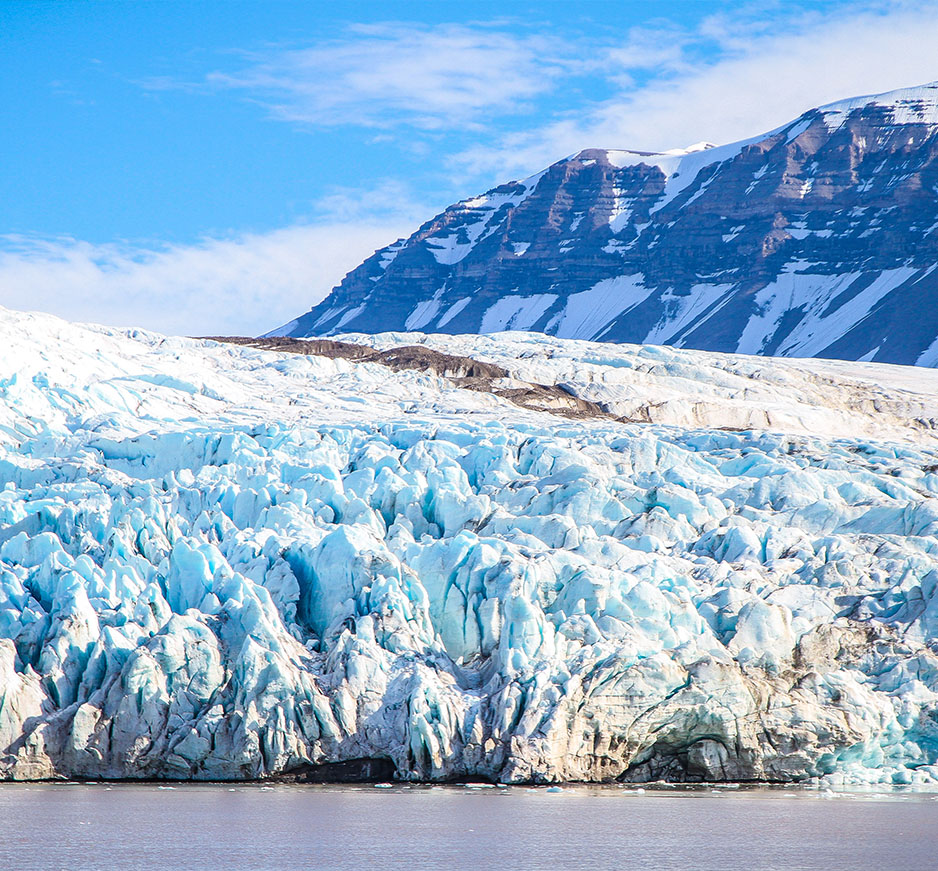
  • Zodiac excursions and shore landings: Daily Zodiac cruises allow close exploration of icebergs, glaciers and remote coastlines, with guided landings for walks, wildlife encounters and deeper exploration of inaccessible areas.
  • Sea kayaking: Paddle through fjords, ice fields and sheltered bays, offering a quieter and more immersive way to experience landscapes and wildlife away from the main vessel.
  • Stand-up paddleboarding: Explore calm waters from a unique perspective, ideal for sheltered polar bays or tropical coastlines, offering a peaceful and engaging way to experience the environment.
  • Snorkelling and scuba diving: Guided opportunities to explore beneath the surface, revealing marine ecosystems rarely seen, from polar waters to warmer tropical regions on selected voyages.
  • Camping on shore: Spend a night ashore in remote wilderness, offering a rare opportunity to experience the silence, scale and atmosphere of polar landscapes beyond the ship.
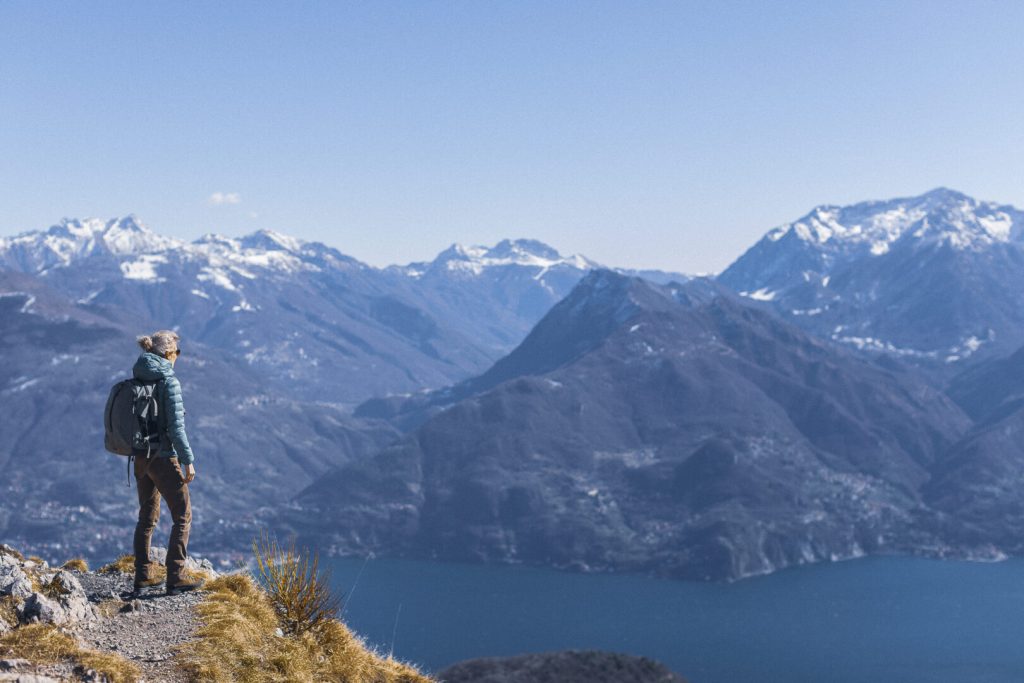
  • Hiking and trekking: Guided walks range from gentle coastal landings to more demanding hikes, allowing guests to explore landscapes in greater depth alongside expert guides.
  • Snowshoeing and ski touring: Traverse snow-covered terrain efficiently, accessing areas beyond standard landing sites and offering a more active way to explore polar environments.
  • Mountaineering and climbing: Technical climbing opportunities are available on selected voyages, led by experienced expedition specialists and adapted to guest ability and conditions.
  • Wildlife observation and photography: Expert-led excursions maximise opportunities to observe and photograph wildlife, with guidance on positioning, timing and understanding animal behaviour.

Douglas Mawson was an Australian geologist and polar explorer, widely regarded as one of the greatest Antarctic expedition leaders. Born in England in 1882 and raised in Australia, he became a lecturer in geology at the University of Adelaide before joining early Antarctic expeditions. He first travelled south with Ernest Shackleton’s Nimrod Expedition (1907–1909), reaching the South Magnetic Pole.

Mawson is best known for leading the Australasian Antarctic Expedition (1911–1914), which mapped vast stretches of previously unknown coastline and conducted major scientific research. During this expedition, he survived one of the most extraordinary solo survival journeys in polar history after his two companions died and he dragged himself more than 160 kilometres back to base alone.

Unlike many explorers, Mawson focused heavily on science rather than conquest. He later helped establish Australia’s permanent Antarctic presence, and the Mawson research station is named in his honour.

Why cazenove+loyd?

Insider Knowledge

Personalised Approach

Rare
Access

Impartial advice